


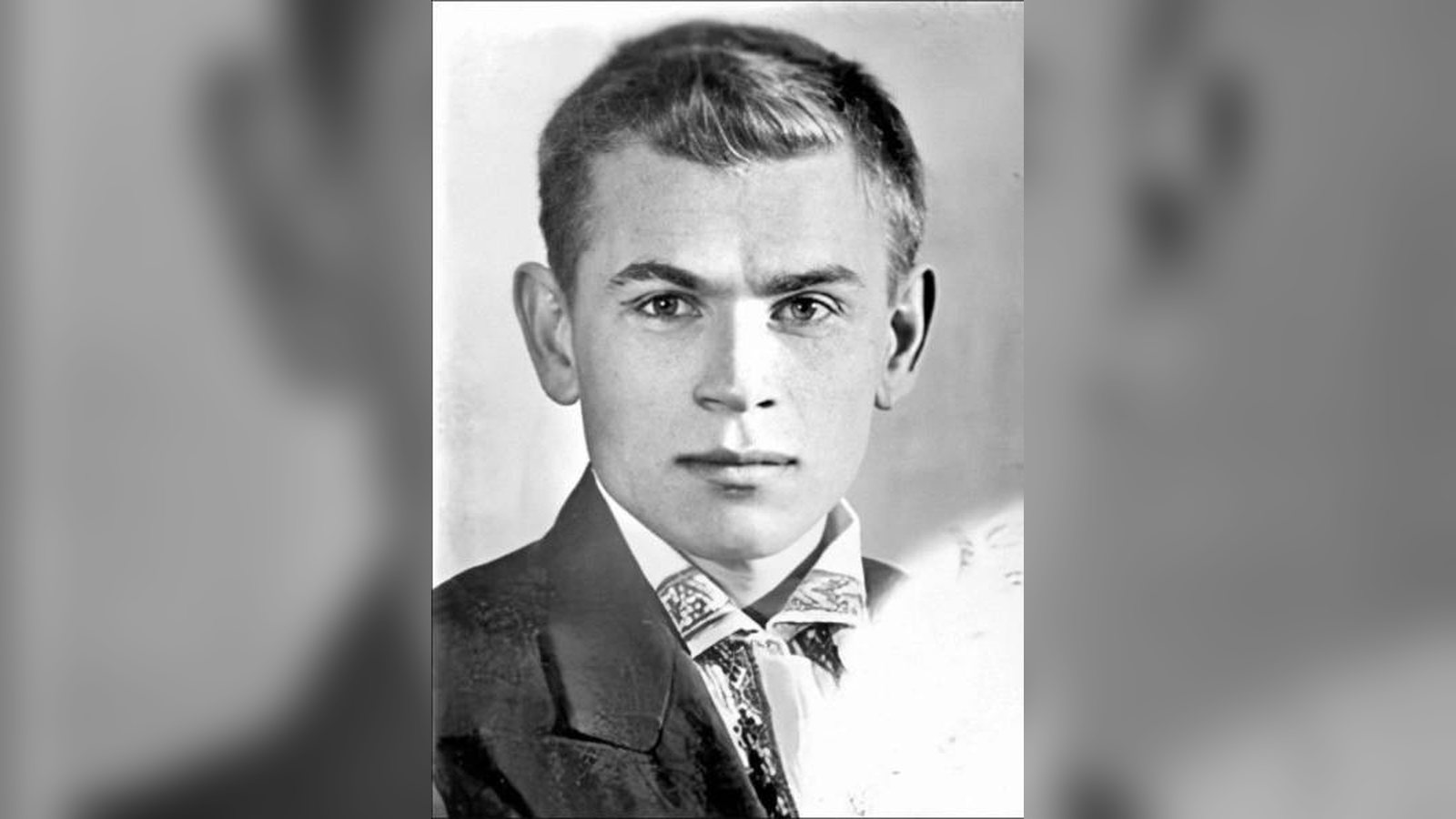
This iconic photographic diptych captures the haunting transformation of a human face forged in the crucible of total war. Placed side by side, two portraits of Soviet soldier and artist Evgeny Kobytev present a stark visual study of psychological and physical endurance between 1941 and 1945. The photograph invites the viewer to look past the historical dates and confront the deeply inscribed physiological and emotional toll of four years of mechanized combat, captivity, and survival.
What the photograph shows
In the first frame, dated 1941, a young man looks directly at the camera with clear-eyed composure, smooth skin, and an expression of calm readiness. His uniform is neat, and his posture reflects the steady confidence of an individual unacquainted with catastrophe. In the second frame, dated 1945, the same man appears decades older despite the passage of only four years. His cheeks are hollow, lines cut deeply across his forehead and around his eyes, and his hair is thinned and graying at the temples. Most striking is his gaze—absent, hollow, and unfocused—staring directly through the lens into a distant space of unnameable memories.
The moment behind the image
The stark contrast between the two portraits embodies what military psychiatry terms the “thousand-yard stare.” This unfocused, detached expression is frequently observed in soldiers who have endured prolonged, extreme combat stress and psychological trauma. Kobytev enlisted in the Red Army in 1941 as a volunteer artist from Krasnoyarsk, leaving behind his peaceful academic pursuits. He fought at the front, was captured, endured horrific conditions in a Nazi concentration camp, managed to escape, and subsequently rejoined the fight as a partisan before finishing the war in liberated Ukraine. The shutter clicks of 1941 and 1945 serve as accidental bookends to a descent into hell and a miraculous, albeit scarred, return.
Photographer and provenance
While the exact individual behind the camera shutter for both frames remains uncredited in popular archives, the portraits themselves originated from Kobytev’s personal archive and post-war artistic legacy. As a professional artist who graduated from the Kiev Art Institute, Kobytev intimately understood visual representation and documentation. After the war, he dedicated his life not only to painting landscapes and rebuilding Soviet cultural life, but also to preserving visual testaments of human suffering and resilience. These photographs transitioned from private personal documentation into widely recognized historical artifacts, circulating globally as a universal visual symbol of war’s devastating cost on the human psyche.
Historical context
The Eastern Front of the Second World War was characterized by unprecedented devastation, staggering casualties, and extreme brutality. Millions of young men and women volunteered or were conscripted into service, stepping out of civilian lives into industrialized carnage. Kobytev’s experience reflects the collective trauma of an entire generation. Beyond the physical destruction of cities and infrastructure, the war inflicted invisible wounds on millions of survivors who returned to their families fundamentally altered, carrying the heavy psychological weight of immense loss and survival guilt.
Why it still matters
Decades after the cessation of hostilities, Kobytev’s before-and-after portrait pair retains its profound emotional resonance. It strips away political rhetoric and romanticized notions of glory, offering an unvarnished, intimate glimpse into the high cost of armed conflict. By preserving the exact visual evidence of how war hollows out a human being, the photograph continues to serve as an enduring anti-war testament, reminding contemporary viewers of the fragility of the human mind when subjected to the extremes of violence and suffering.