


The Public Hype vs. Behind-the-Scenes Silence
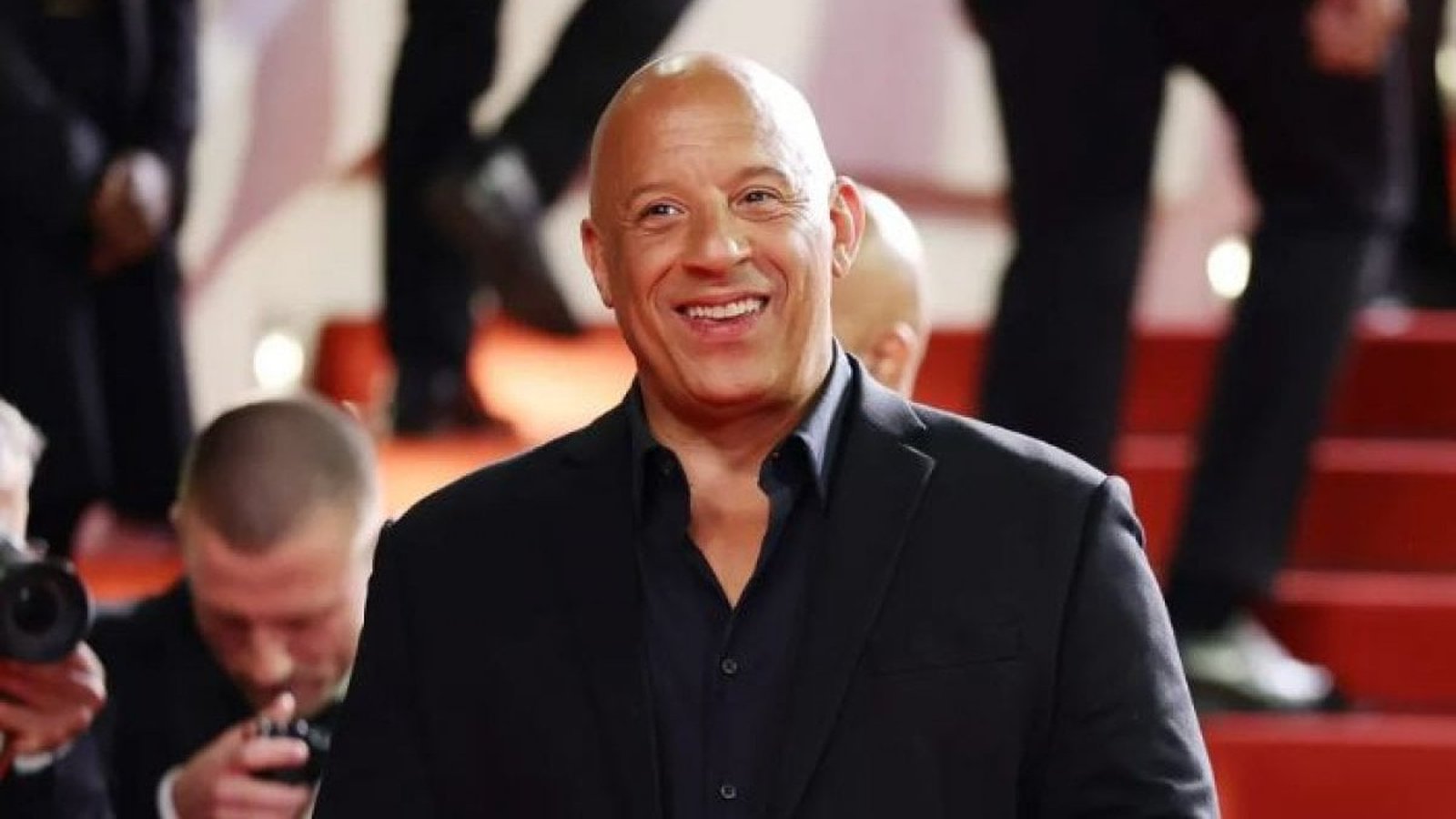
A stark disconnect has emerged at the heart of one of Hollywood’s most lucrative action franchises. Vin Diesel, the long-time star and producer of the Fast & Furious saga, recently took to Instagram to deliver an emotional endorsement of the screenplay for the upcoming finale, titled Fast Forever. Describing the script penned by Mike Leslie as “the best script I have read in decades,” Diesel claimed the emotional weight of the story left him in tears. He confidently reaffirmed that the film remains on track for its scheduled theatrical release on March 17, 2028. However, reports from industry sources, including Polygon, paint a far more fragmented picture behind the scenes. Most notably, the franchise’s designated director, Louis Leterrier, has not even read the script.
When questioned about the status of the screenplay and his involvement in the project, Leterrier offered a highly cryptic response that contrasted sharply with Diesel’s social media optimism. “Well, uh, I’d love to tell you the full truth, but I can’t,” Leterrier admitted. While he expressed affection for Diesel and Universal Pictures, describing himself as “very, very lucky to be part of the franchise,” his phrasing leaned heavily on the past tense. His closing remarks—”We’ll see, hopefully”—have fueled intense speculation within the industry regarding whether he will actually return to direct the final installment, or if the production is quietly searching for new leadership amidst mounting delays.
The $200 Million Cap: Universal’s Fiscal Reckoning
The operational friction surrounding Fast Forever is not merely a matter of creative coordination; it is deeply rooted in the changing economic realities of studio filmmaking. Universal Pictures is reportedly enforcing strict fiscal discipline on the franchise’s grand finale. According to a report by the Wall Street Journal, the studio is demanding that the budget for the upcoming film be capped strictly under $200 million. This decision follows the runaway production costs of 2023’s Fast X, which saw its budget balloon to an astronomical $340 million.
While Fast X grossed $714 million worldwide, the massive production budget, combined with substantial global marketing expenses and theater revenue splits, meant the film barely eked out a profit. This performance highlights a broader trend of diminishing returns for the aging saga. The franchise reached its financial peak with 2015’s Furious 7, which amassed $1.5 billion globally. In contrast, the last three installments have struggled to cross the $750 million threshold. For Universal, writing another blank check for Diesel’s high-octane vision is no longer an option, forcing a major structural reassessment of how the final chapter can be executed within a tighter financial framework.
A Parallel Universe: Strikes, Side Projects, and Stalled Timelines
Leterrier provided some context for the prolonged production gap, explaining that in a “parallel universe,” the creative team would have transitioned immediately from the release of Fast X into active production on the sequel. However, the Hollywood writers’ and actors’ strikes of 2023 severely disrupted the studio’s development pipeline. During this forced hiatus, Leterrier pivoted to other creative opportunities, signing on to direct the upcoming Netflix action-horror film The Last House.
This detour has left Diesel to operate primarily as a social media promoter for a film that has yet to enter physical pre-production. Diesel has not starred in a feature film since Fast X in 2023, choosing instead to sustain public interest through nostalgic social media posts and bold claims about the franchise’s legacy. Industry analysts note that this public relations strategy serves to maintain pressure on the studio and keep fans engaged, even as the actual mechanics of the production remain stalled in development limbo.
The Technical and Narrative Hurdles
Beyond budget constraints and directorial uncertainty, the production faces significant narrative and technical challenges. Diesel has reportedly spent years focusing on perfecting the digital technology required to bring back the character of Brian O’Conner, originally played by the late Paul Walker. Integrating a digitally recreated lead character into a major blockbuster is an incredibly complex and expensive undertaking, one that could clash directly with Universal’s mandate to keep the budget under $200 million.
As the planned March 2028 release date approaches, the window for active production is narrowing. Without a unified creative front between its leading producer and its director, Fast Forever faces a difficult road ahead. The coming months will determine whether Universal can successfully rein in the franchise’s signature excess to deliver a fiscally responsible, emotionally satisfying conclusion to a twenty-seven-year cinematic journey.