


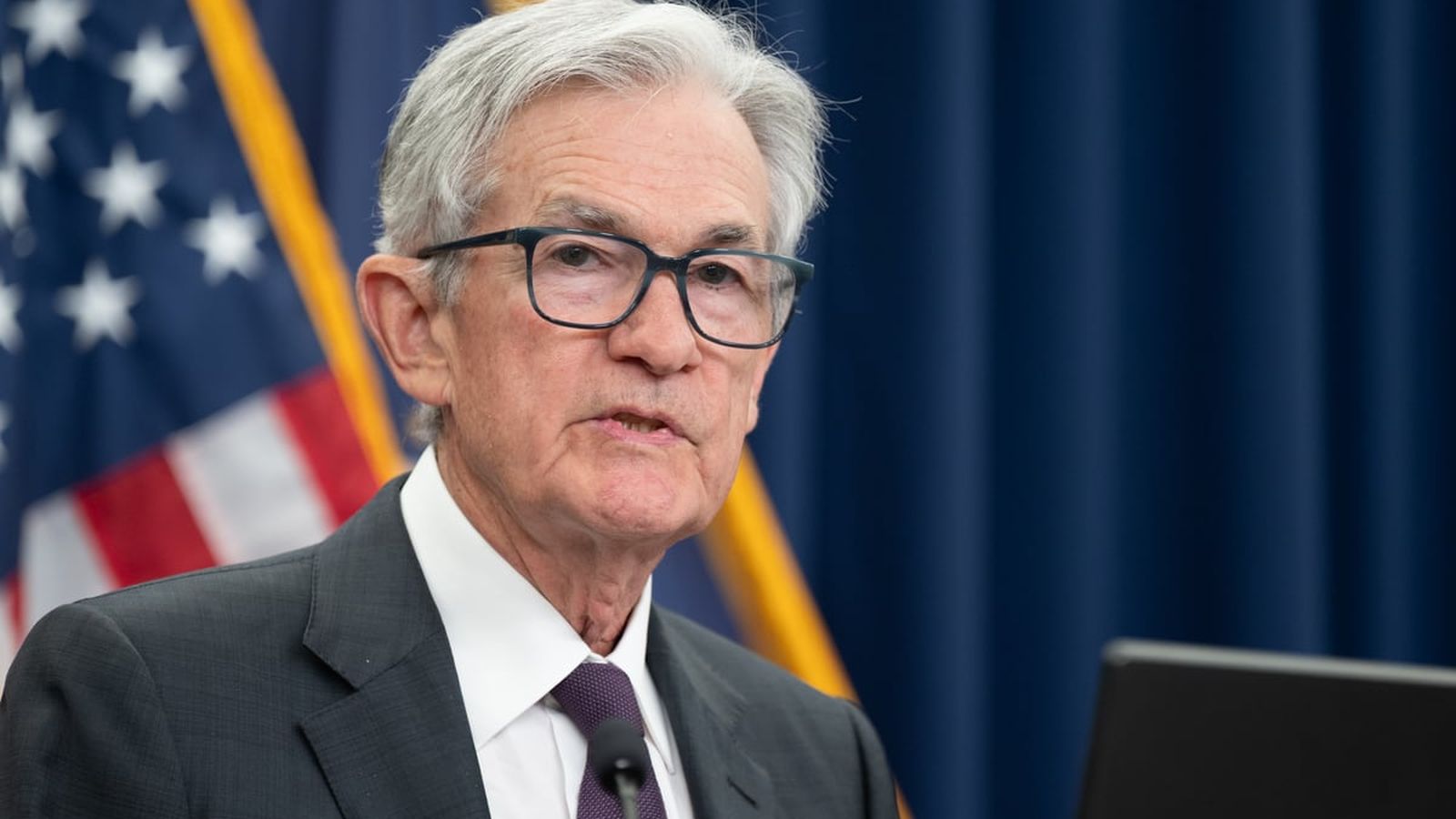
In what marks a definitive turning point for global monetary policy, Jerome Powell today oversaw his final Federal Open Market Committee (FOMC) meeting as Chair of the U.S. Federal Reserve. The decision to hold interest rates steady reflects a sobering reality: despite hopes for a cooling economy, inflationary pressures have intensified, driven primarily by the ongoing conflict in the Middle East and the resulting closure of the Strait of Hormuz. With U.S. inflation rising to an estimated 3.56% in April, the prospect of near-term rate cuts has effectively vanished, signaling a period of prolonged high borrowing costs that will reverberate far beyond American borders.
The End of the Powell Doctrine
The transition to a post-Powell Fed carries significant weight for institutional stability. As the Senate Banking Committee prepares for the incoming leadership of Kevin Warsh, market participants are bracing for a potential paradigm shift. Warsh has signaled a preference for a leaner balance sheet, a move that could inadvertently push Treasury yields higher and tighten financial conditions globally. This transition occurs at a time when the Fed’s traditional autonomy is being tested, with ongoing executive scrutiny and legal challenges surrounding the composition of the Board of Governors, raising concerns among institutional observers about the long-term resilience of independent central banking.
Global Ripples and Economic Vulnerability
For emerging markets, including Armenia, the Fed’s stance is a critical determinant of financial health. When the world’s primary reserve currency remains expensive, the cost of capital for smaller, open economies inevitably climbs. The stability of the Armenian Dram, which relies on steady remittance flows and predictable trade conditions, remains sensitive to the U.S. interest rate environment. Persistent inflation in the U.S. acts as a tax on global purchasing power, forcing households to navigate a landscape of higher energy costs and restricted credit. The decision to maintain rates is a necessary stabilization effort for the U.S. domestic economy, but for the international community, it underscores the fragility of a global financial system still grappling with the supply chain disruptions triggered by regional warfare.
Looking Toward Institutional Accountability
The shift in Fed leadership serves as a reminder that economic stability is inseparable from the transparency of democratic institutions. As the central bank enters a new chapter under potential new leadership, the priority remains the balance between price stability and the mandate for maximum employment. Investors and policy watchers should anticipate increased volatility as markets adjust to the prospective policy realignment. The ultimate success of this transition will depend not just on interest rate targets, but on the ability of the Federal Reserve to maintain its independence from political pressures while navigating a complex, high-inflation environment that continues to reshape the global economic order.