


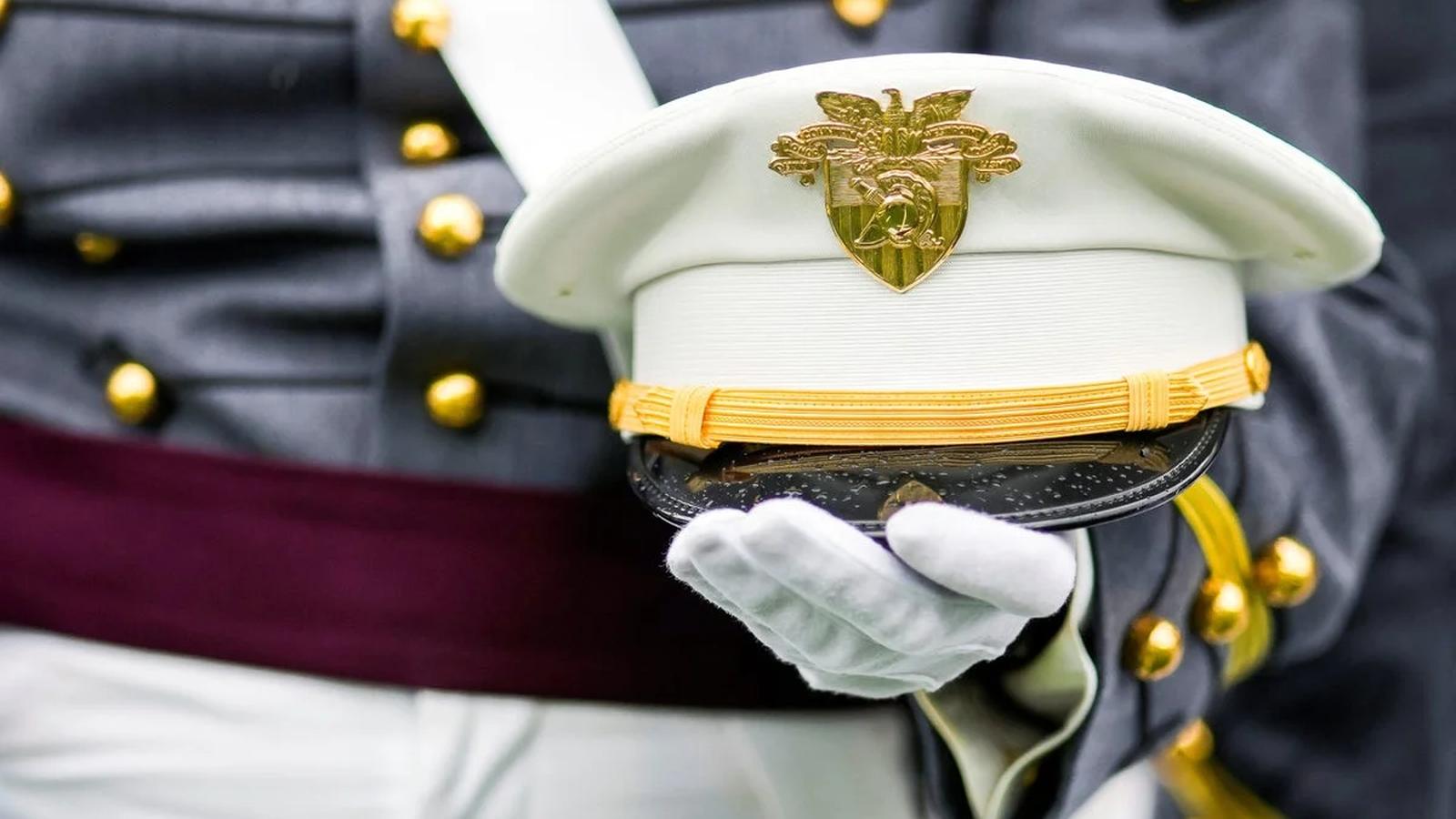
Judicial Intervention at West Point
On May 27, 2026, U.S. District Judge Cathy Seibel issued a significant preliminary injunction blocking the United States Military Academy at West Point from enforcing policies that mandated civilian faculty obtain prior approval before engaging in public speech or expressing personal opinions in the classroom. The ruling serves as a major legal rebuke to administrative directives that had been in place since early 2025, which mandated that faculty secure authorization for journal articles, media appearances, podcasts, and even social media posts regarding their academic expertise.
The lawsuit, initiated by longtime law professor Tim Bakken, argued that the restrictions created a palpable “chilling effect” on intellectual inquiry. Bakken testified that the threat of disciplinary action had forced him to self-censor, specifically declining to answer student questions and stalling the promotion of his scholarly work. Judge Seibel’s 85-page opinion characterized the academy’s rules as a “blunt force instrument” that failed to demonstrate any prevention of “real harm.”
The Intersection of Military Discipline and the First Amendment
The core of the dispute lies in the tension between the rigorous discipline required at a service academy and the constitutional protections afforded to civilian educators. The policies in question originated from a 2025 executive order aimed at rooting out what the administration labeled “un-American, divisive, discriminatory, radical, extremist, and irrational theories.” Following this, the academy reportedly engaged in a series of restrictive measures, including the removal of books from the library, the deletion of specific terminology from course syllabi, and the elimination of certain majors.
Judge Seibel rejected the government’s defense of these measures, asserting that the environment at West Point does not negate the necessity for robust intellectual debate. Addressing the administration’s concerns regarding the exposure of cadets to “divisive” concepts, the court noted that the students “are not snowflakes” and are fully capable of navigating competing viewpoints without institutional interference. The ruling effectively bars the academy from penalizing civilian faculty for the exercise of their academic freedom, setting a critical precedent for how service academies balance military requirements with civil rights.
The judicial rejection of these speech constraints underscores a fundamental principle of American higher education: the role of the faculty is to foster critical thinking rather than to adhere to narrow political mandates. By dismantling the requirement for prior administrative approval, the court has safeguarded the integrity of the classroom at one of the nation’s most prestigious institutions. As the case moves toward a permanent injunction, the ruling serves as a clear signal that military discipline cannot be used as a blanket justification for the suppression of intellectual discourse. The preservation of an open, analytical environment at West Point is not a liability to national security, but an essential component of training leaders who are prepared to engage with a complex and often contradictory world.