


The Split Verdict and Sentencing in Olmsted County
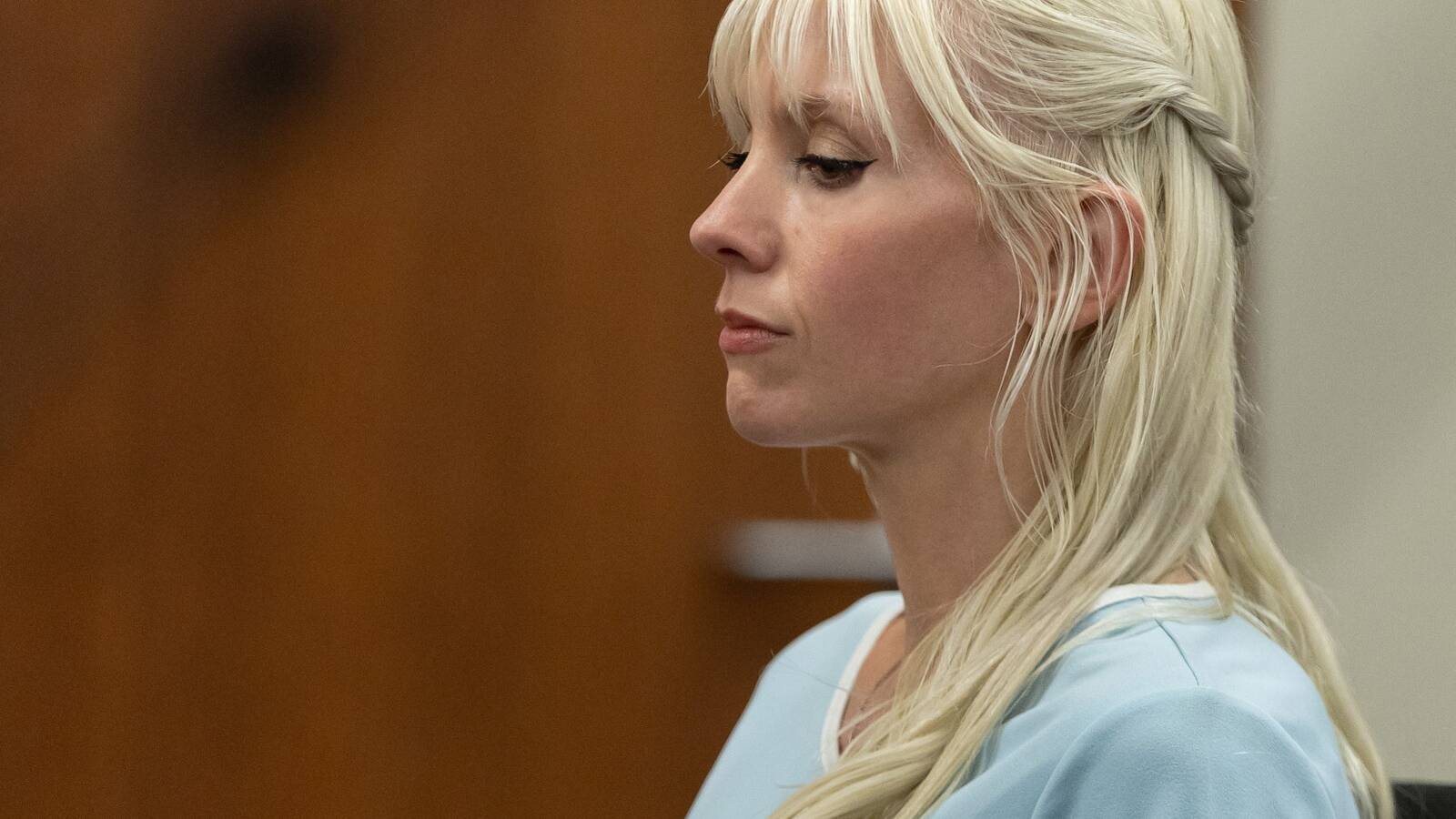
On the night of Thursday, July 23, 2026, a six-member jury in the Olmsted County District Court delivered a split verdict in the highly publicized trial of Shiloh Hendrix. Following more than nine hours of intense deliberations, the jury of two men and four women found the 37-year-old Rochester resident guilty of one misdemeanor count of disorderly conduct but acquitted her on a second identical charge. The verdict brings a partial resolution to a case that has kept Rochester, Minnesota, under a national spotlight since the spring of 2025.
Immediately following the verdict, District Court Judge Christa M. Daily handed down the sentence. Judge Daily ordered Hendrix to serve a stayed 90-day jail sentence, placed her on one year of supervised probation, mandated 200 hours of community service, and imposed a $1,000 fine. The jail time will remain suspended as long as Hendrix complies with the strict terms of her probation. While prosecutors framed the outcome as a necessary measure of accountability, Hendrix’s defense attorney, Brian P. Karalus, vehemently condemned the proceedings, labeling the trial a “circus” and the final verdict a “fraud,” while confirming immediate plans to appeal.
The Playground Confrontation and Viral Aftermath
The criminal charges stemmed from an incident on April 28, 2025, at the Roy Sutherland Playground within Soldiers Field Memorial Park in Rochester. According to evidence presented during the four-day trial, the confrontation began when an eight-year-old autistic Somali boy removed a packet of applesauce from the diaper bag of Hendrix’s 18-month-old son. Hendrix pursued the child and, during the ensuing encounter, repeatedly directed a highly offensive racial slur toward him.
A bystander intervened, confronting Hendrix and recording the latter portion of the interaction on a smartphone. The video, which captured Hendrix repeating the racial slur, was uploaded to social media platforms, including TikTok, where it rapidly garnered millions of views. The viral footage sparked widespread community outrage, protests in Rochester, and a broader national discourse regarding racial bias, public safety in community spaces, and the boundaries of protected speech.
The Legal Battlefield: Protected Speech vs. ‘Fighting Words’
Throughout the trial, the courtroom became a battleground for competing constitutional and statutory interpretations. The defense focused heavily on the First Amendment, arguing that the state was attempting to criminalize offensive and deeply distasteful language. Karalus asserted that while Hendrix’s words were undoubtedly hurtful, they did not cross the legal threshold into criminal conduct. He argued that Hendrix was reacting to the taking of her property and maintained that Americans possess a constitutional right to speak freely without fear of government censorship or prosecution driven by social media backlash.
Conversely, the prosecution argued that the case was not a referendum on the First Amendment but a straightforward application of Minnesota’s disorderly conduct statute. Prosecutors contended that Hendrix’s actions and her targeted use of racial slurs against a young child constituted “fighting words”—a category of speech that is not protected under the U.S. Constitution because its very utterance inflicts injury or tends to incite an immediate breach of the peace. Before deliberations began, Judge Daily specifically instructed the jury on this exact legal standard, leaving them to decide whether Hendrix’s conduct in the aftermath of the confrontation fell within that narrow exception.
Witness Testimony and Discrepancies
The trial featured emotional and sometimes contentious testimony. The child’s father, Jimale, testified through a Somali interpreter, describing the deep emotional distress the incident caused his family. During cross-examination, the defense sought to highlight inconsistencies in the timeline of the investigation. Karalus called a Rochester Police Department detective to the stand, who confirmed that Jimale did not initially report the incident to law enforcement. Instead, Jimale contacted the Rochester chapter of the NAACP approximately ten days after the confrontation, once the bystander’s video had already gone viral on TikTok. The civil rights organization subsequently advised him to file a formal police report.
The defense also focused on shifting statements regarding physical fear. Police records showed that during his first official interview on May 8, 2025, Jimale did not state that he feared Hendrix would physically strike his son. However, in a subsequent interview on May 9, and during his emotional testimony in front of the jury, he stated that he had indeed been terrified of physical violence. Karalus argued these discrepancies indicated that the emotional weight of the trial was being amplified by prosecutors to play on the jury’s sympathy, particularly regarding the child’s autism, which the defense argued Hendrix had no way of knowing at the time of the encounter.
The trial’s tension was further highlighted by a sharp exchange between the defense counsel and the bench. Judge Daily warned Karalus that he was in danger of being held in contempt of court after he repeatedly attempted to argue a point regarding the verification of GoFundMe platforms after the judge had already ruled the line of questioning inadmissible due to a lack of foundation. “I have made my ruling; the issue is closed,” Daily stated to the defense attorney.
The Financial Dimensions of a Viral Conflict
Beyond the courtroom, the case became notable for the massive financial resources generated by both sides through online crowdfunding. Following the viral spread of the playground video, Hendrix launched an online fundraising campaign, claiming that she and her family had been doxxed, faced severe safety threats, and were victims of “cancel culture.” The fundraiser was highly successful, drawing more than $800,000 from supporters nationwide.
Simultaneously, the Rochester NAACP established a fundraiser to support the victim’s family, which raised approximately $340,000. This campaign faced its own complications when an unrelated family falsely claimed to be the victims of the incident in an attempt to divert the funds—an action that resulted in criminal charges against two individuals. Testimony confirmed that the legitimate funds raised for Jimale’s family were ultimately secured in a trust account dedicated to the long-term care of his autistic son.
Outside the Olmsted County Government Center, Wale Elegbede, president of the Rochester NAACP, expressed mixed feelings about the split verdict. While he welcomed the guilty verdict on the single count as a clear signal that racially motivated harassment in public parks would carry consequences, he expressed disappointment that Hendrix did not receive immediate jail time. Pointing to her substantial crowdfunding windfall and what he described as a complete lack of remorse, Elegbede remarked, “There isn’t a path to restorative justice where there’s no remorse. This was never about a fine having an impact.”
With the defense actively preparing an appeal, the legal debate surrounding the limits of public speech, the definition of disorderly conduct, and the influence of viral internet culture on local criminal justice is expected to continue in Minnesota’s appellate courts.