


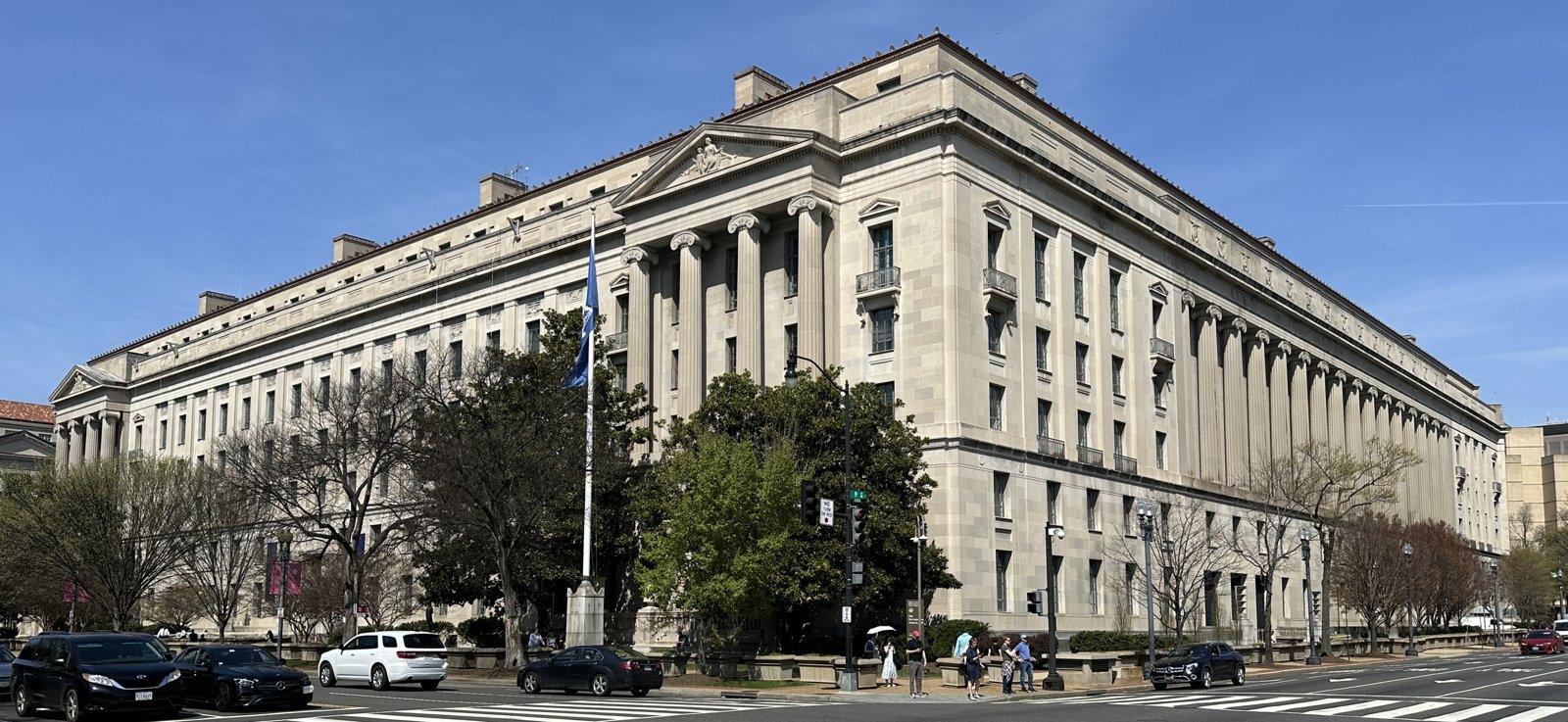
WASHINGTON (Azat TV) – A federal judge has issued stern warnings to the United States Department of Justice, ordering the agency to halt threats and aggressive posturing directed at election workers as the nation approaches the final days of the high-stakes midterm elections. Reported in live updates published by The Guardian on October 31, 2026, the judicial intervention comes amid mounting scrutiny over unprecedented federal interventions in election administration and a historic surge in early voting that has already eclipsed totals from previous midterms.
The judicial warning arrives as more than 50.5 million Americans have cast early ballots across the United States, according to a voter turnout analysis conducted by the University of Florida. That figure surpasses the total early vote count from the 2002 and 2022 midterm cycles by nearly five million votes, signaling intense political mobilization as voters prepare to decide control of both chambers of Congress. Republicans are currently defending a narrow 53-47 Senate majority, while Democrats are pressing into traditionally conservative strongholds such as Texas, Alaska, and Kansas in an expanded battleground map.
Federal Intervention Concerns and Legal Scrutiny
The actions of the Justice Department have drawn intense condemnation from voting rights advocates, legal scholars, and democracy groups who point to potential efforts to slow down the certification of election results. Election law experts note that while the probability of sweeping subversion remains under 50% depending on the final margin of victory, the risk of localized disruption requires strict judicial oversight. Ohio State University election law professor Ned Foley observed that a decisive margin or a broad electoral wave would make it difficult for administrative interference to gain traction, but warned that election officials must remain vigilant against unpredictable disruptions.
Concurrently, the political landscape has been roiled by intense campaign messaging and parallel legal battles in the nation’s capital. Washington, D.C., and the state of Virginia filed a joint federal lawsuit on Saturday, October 31, 2026, to halt the Trump administration’s expedited construction of a 250-foot monumental arch. The plaintiffs argue that the project bypasses statutory consultation requirements and would impose severe burdens on regional traffic, emergency services, and environmental run-off in the Potomac River before the judiciary can properly review its legality.
Campaign Controversies and Key Voter Issues
Beyond administrative and legal disputes, the final stretch of the midterm campaigns has been defined by high-spending television advertising and heated controversies across multiple states. CNN and The Washington Post reported that Democratic candidates and allied super PACs have poured more than $35 million to $40 million into targeted advertisements criticizing Republican candidates over congressional votes regarding files related to Jeffrey Epstein. Affected lawmakers, such as Republican Representative Jeff Crank in Colorado and Senate candidate Ashley Hinson in Iowa, have faced intense public pressure and responded through campaign ads defending their legislative records.
Meanwhile, in Alaska, Democratic Senate candidate Mary Peltola strongly denied allegations during an Anchorage rally that her campaign orchestrated an effort to recruit a second candidate named Dan Sullivan to split the conservative vote. The controversy prompted calls for Peltola’s disqualification from the Trump administration and top Republicans, alongside an announced state investigation by the Alaska governor. As voters prepare to head to the polls on November 3, 2026, national polling indicates that economic pressures, immigration, artificial intelligence, and foreign policy concerns continue to dominate voter sentiment against the backdrop of low presidential approval ratings.