


Finland’s President Warns Europe: No Quick Ceasefire in Ukraine
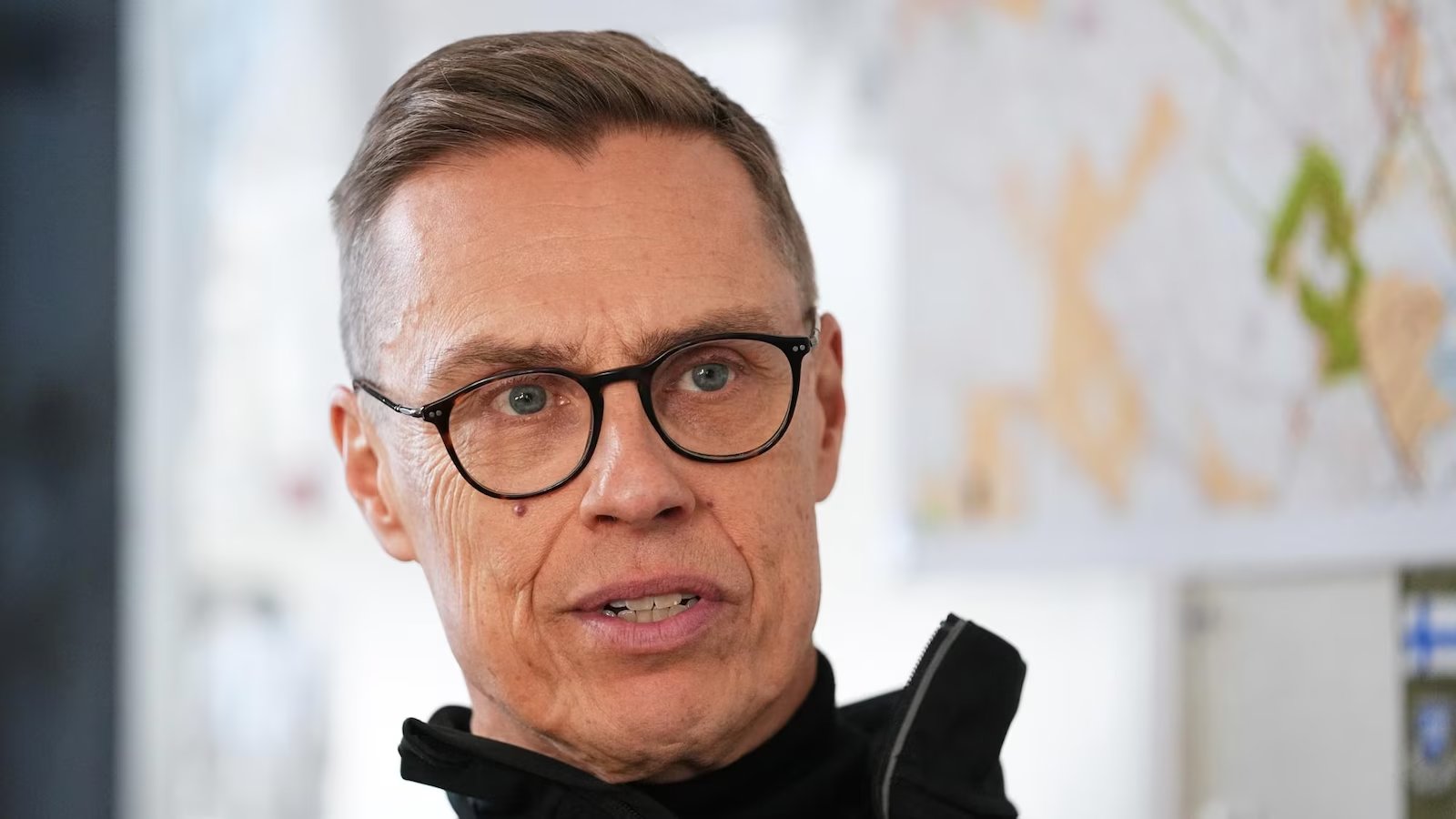
On a chilly November day at a military base north of Helsinki, Finland’s President Alexander Stubb zipped up his jacket—one emblazoned with a single, bold word: “sisu.” The message was both sartorial and symbolic. As Europe stares down another harsh winter and the war in Ukraine grinds on with no end in sight, Stubb says the continent must harness its reserves of endurance, resilience, and grit. Or, as the Finns call it, sisu.
Speaking to Associated Press, Stubb was blunt about the prospects for peace in Ukraine: “I’m not very optimistic about achieving a ceasefire or the beginning of peace negotiations, at least this year.” He pointed to the ongoing military pressure from Russia and internal struggles in Kyiv, including recent corruption scandals, as key obstacles. For Stubb, who leads a country with a 1,340-kilometer border with Russia and a history marked by two wars with Moscow, the stakes are personal and profound.
Sisu: Finland’s Legacy and Europe’s Need
The Finnish concept of sisu—a mix of resilience, quiet determination, and the ability to persist under adversity—has deep roots in Finland’s national psyche. It was forged in the crucible of conflict, particularly after Finland lost about 10% of its territory to Moscow in the 1940s and adopted a policy of neutrality for decades. That stance only changed after Russia’s full-scale invasion of Ukraine in 2022, prompting Finland to join NATO.
Stubb believes that same spirit is essential for Europe today. Russia’s hybrid warfare—ranging from drone incursions to information campaigns and acts of sabotage—aims to destabilize and frighten European societies. The president’s advice? “Be Finnish,” he told AP. “Be cool, calm, collected and have a little bit of that ‘sisu.’”
Volunteers at the base, bundled against freezing temperatures, were training to evacuate wounded soldiers—a drill with somber relevance as the war in Ukraine rages on. Stubb watched closely, reinforcing his message that Europe must stay the course, even as the challenges multiply.
Between Superpowers: Finland’s Bridge-Building Role
Stubb’s position as a mediator is unique. He’s cultivated a personal rapport with U.S. President Donald Trump, even spending hours together on the golf course. This relationship, he suggests, allows him to explain Finland’s perspective and the realities on the battlefield. “If he accepts one out of 10 ideas, that’s good,” Stubb quipped. But his role goes beyond golf diplomacy. As Europe searches for solutions, Stubb and other leaders strive to act as bridges between Washington and Kyiv, interpreting positions and smoothing tensions where possible.
Stubb is clear-eyed about the shifting moods in international diplomacy. Trump, he says, oscillates between pressuring Russian President Vladimir Putin and seeking rapprochement, while his relationship with Ukraine’s President Volodymyr Zelenskyy remains turbulent. “You can’t have illusions about things that you would like to see happening,” Stubb reflected. “I’ve tried personally to focus on things such as: We need security guarantees for Ukraine. How to build those? We need a ceasefire. How can we get that?”
Obstacles to Peace: Corruption, Territory, and Security
The path to peace, according to Stubb, rests on three pillars: security guarantees for Ukraine, rebuilding its economy, and resolving territorial disputes. None of these are straightforward. The recent allegations of kickbacks and embezzlement in Kyiv have handed Russia new propaganda ammunition, complicating efforts to unify European support.
Despite these setbacks, Stubb remains adamant that Europe must increase both financial and military assistance to Ukraine. He praised recent U.S. sanctions on major Russian energy firms, calling Trump’s move “an excellent job,” but warned that more is needed—especially when it comes to giving Ukraine the capability to strike Russia’s military industry.
Notably, Trump last month denied Ukraine’s request for long-range Tomahawk missiles, a move that illustrates the careful balancing act at play. While such weapons could theoretically allow Ukraine to reach deeper into Russian territory, there are no launch platforms in Kyiv’s current arsenal. Negotiations continue, but progress is slow and often stymied by the realities of international politics.
Hybrid Threats and European Resilience
Europe’s struggle is not limited to the battlefield. Russian drones and fighter jets have breached European airspace, while acts of arson, vandalism, and disinformation campaigns ripple across the continent. The line between war and peace, Stubb warns, has become dangerously blurred. “Russia is trying to destabilize Europe and cause havoc and panic,” he said, emphasizing the importance of resilience in the face of these hybrid threats.
For Finland, the lessons of history are clear. The country’s experience with Russian aggression has instilled a sense of vigilance and pragmatism. Stubb’s message to his European counterparts is straightforward: This is a time for resolve, not panic. Sisu, he argues, is more than a national trait—it’s a necessity for all of Europe as it confronts an unpredictable winter and an enduring conflict.
Despite the gloom, Stubb expressed admiration for Zelenskyy’s leadership under existential threat. “To lead a country in a war … is existential. You learn a lot from other human beings in that situation,” he said. While details on future military support remain confidential, Stubb is optimistic that options for guaranteeing Ukraine’s security are becoming clearer, thanks to international commitments.
The coming months will test Europe’s unity and determination. As negotiations stall and Russian pressure mounts, the continent faces a choice: succumb to fatigue and division, or embrace the spirit of sisu and hold firm. The answer, Stubb suggests, could determine not just the fate of Ukraine, but the future of European security itself.
Stubb’s invocation of sisu is both a call to action and a reminder of the power of quiet resilience. As Europe confronts mounting challenges—from corruption scandals to hybrid warfare—the Finnish concept offers a blueprint for steady leadership and collective endurance. The months ahead will reveal whether Europe can truly live up to that ideal.