


Market Expectations and Fed Credibility
As the Federal Open Market Committee (FOMC) prepares to convene on September 15–16, the central bank faces a critical juncture. According to Yardeni Research, market participants are pricing in an approximately 87% probability of a federal funds rate hike. This heightened expectation follows a hotter-than-anticipated August Consumer Price Index (CPI) report and a recent rebound in global oil prices, which have amplified inflationary concerns.
Financial analysts suggest that a rate increase this week would serve as a mechanism to restore the Federal Reserve’s inflation-fighting credibility. Current futures markets imply roughly 3.7 rate hikes of 25 basis points each over the next 12 months. With the June Summary of Economic Projections (SEP) previously placing the federal funds rate at 3.8% by year-end, a move this week would likely push that forecast higher, reflecting an environment where energy price volatility threatens to spill over into core inflation metrics.
Political Pressure vs. Institutional Independence
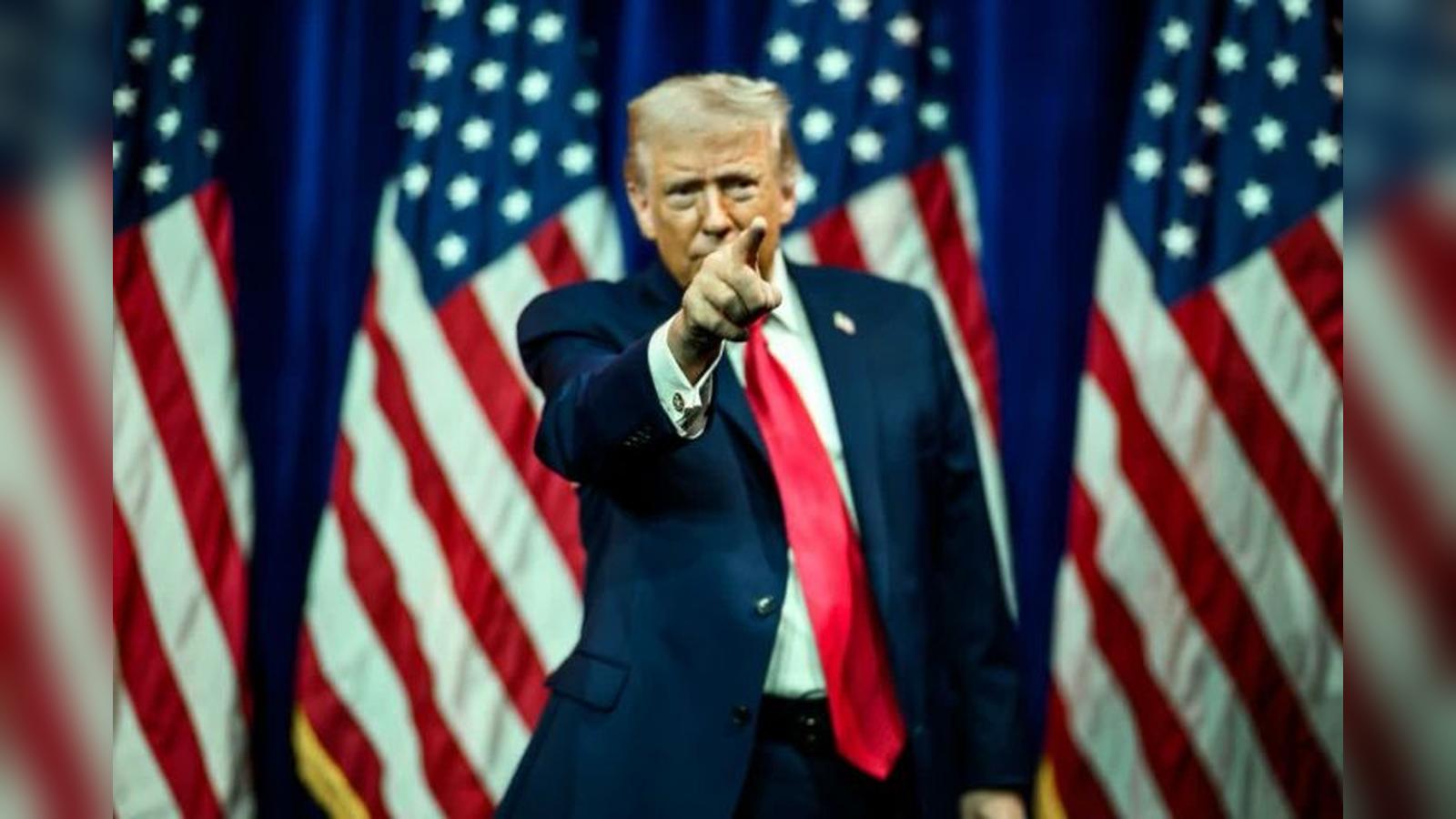
While the Fed weighs its policy options, U.S. President Donald Trump has intensified his public campaign for lower interest rates. Speaking at his resort in Doonbeg, Ireland, on September 13, President Trump argued that the United States should maintain the lowest interest rate in the world, citing the nation’s strong economy and premier credit rating, as reported by The Asia Business Daily.
Despite the President’s rhetoric—which has included warnings regarding trade relations with surplus-running nations—the White House has sought to maintain a distinction between policy advocacy and institutional respect. Kevin Hassett, Director of the White House National Economic Council, emphasized on CNN that the administration would support the Fed’s final decision, stating that President Trump “100% respects Fed Chair Kevin Warsh’s independence.” This stance contrasts with the President’s repeated public assertions that rates should be significantly lower than their current levels.
Global Context and Economic Data
The FOMC’s decision occurs against a backdrop of tightening global monetary policy. The European Central Bank recently raised its policy rate to 2.50%, and markets are pricing in a 50% chance of a follow-up hike in October. Meanwhile, the Bank of Japan is expected to raise its policy rate to 1.25%, continuing a trend of moving away from historical lows.
Domestically, the Fed must also navigate a stable labor market. August payrolls added 162,000 jobs, with the unemployment rate holding steady at 4.1%. As regional business surveys from the New York and Philadelphia Feds are expected to show slight moderation after strong August readings, the FOMC must calibrate whether the current economic momentum necessitates further tightening to curb inflation or if the cooling in regional business sentiment warrants a more cautious approach.