


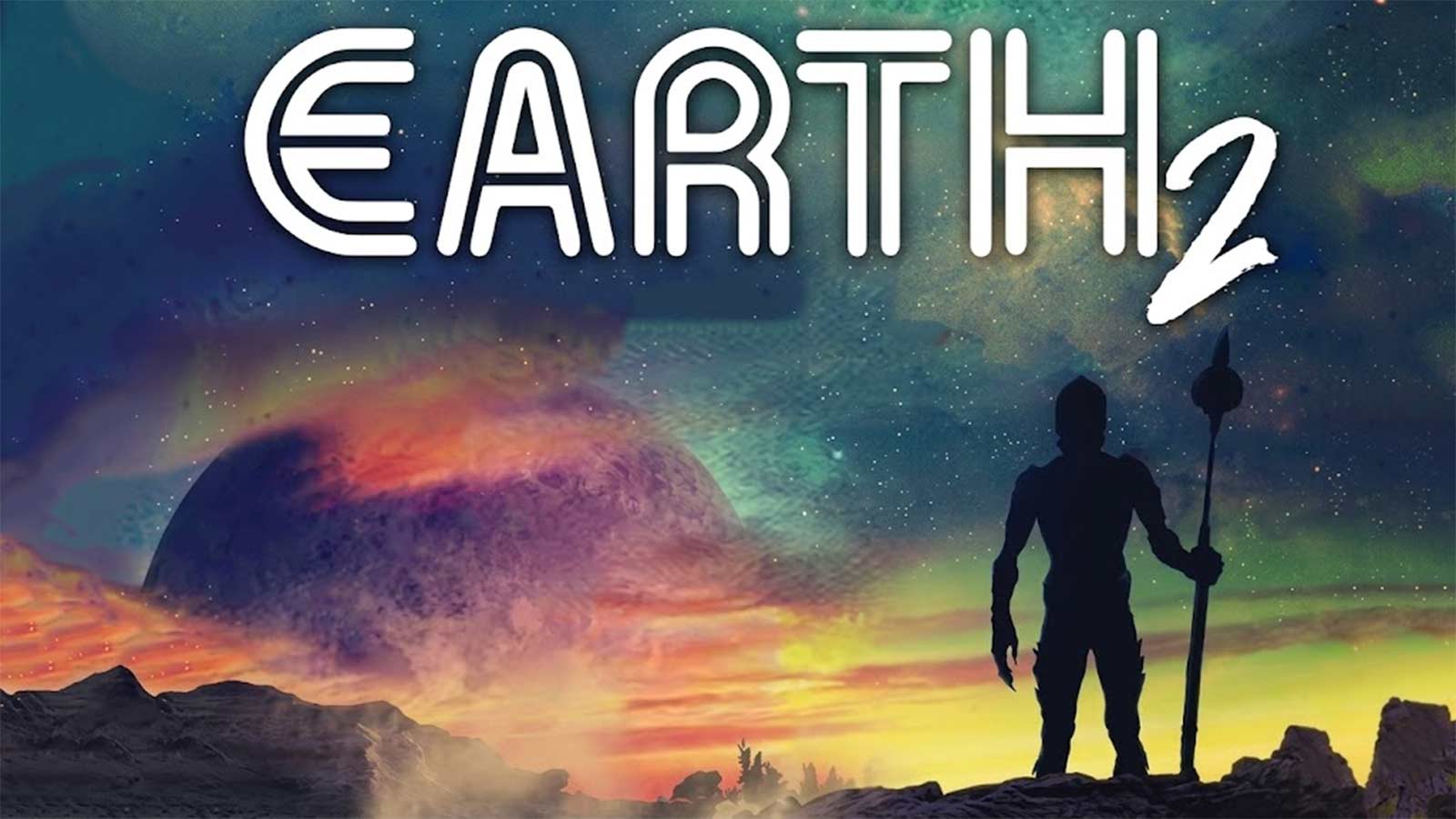
The Precedent of Devon Adair
In the mid-1990s, television science fiction was undergoing a rapid evolution. While cultural memory overwhelmingly credits Kate Mulgrew’s Captain Kathryn Janeway in Star Trek: Voyager as the first female captain to headline a major sci-fi series, historical broadcast records tell a different story. NBC’s ambitious colonization drama, Earth-2, premiered on November 6, 1994—two months prior to Voyager’s January 1995 debut—featuring Debrah Farentino as Devon Adair.
Adair was not a military officer, but a wealthy visionary determined to save her son, Ulysses, from a debilitating condition known as “the syndrome.” Her mission to the planet G889 served as the narrative engine for the show, which explored the challenges of establishing a new society on an alien world. The series was bolstered by a cast that included Clancy Brown as John Danzinger, a protector figure whose bond with the colonists added emotional weight to the survivalist premise.
Network Mismanagement and Competition
Despite its innovative premise and strong performances, Earth-2 struggled to maintain its footing. According to industry analysis, NBC’s scheduling decisions played a critical role in the show’s decline. The network frequently aired episodes out of chronological order, which fractured the show’s serialized mystery-solving format and alienated viewers. By the time the show’s central mystery regarding G889 was resolved within the first 10 episodes, the audience base had already begun to erode.
The competitive landscape of the 90s also proved insurmountable. Earth-2 was frequently pitted against Space: Above and Beyond, a series that leaned heavily into military science fiction and high-octane space combat. In contrast, Earth-2 focused on the slower, more methodical struggle of colonization. Furthermore, Star Trek: Voyager benefited from the immense institutional weight and brand loyalty of the Star Trek franchise, which featured the established lure of uncharted space exploration compared to the more isolated setting of a single planet.
The Risk of Lost Media
Today, Earth-2 faces a precarious future as “lost media.” It is currently unavailable on major streaming platforms like Tubi or Peacock. As digital archives become the primary way modern audiences interact with television history, the lack of accessibility for Earth-2 ensures that its contribution to the genre—most notably its pioneering female leadership—continues to be eclipsed by more accessible franchises. What remains is a cautionary tale of how network mismanagement and franchise saturation can strip a series of its historical significance.