


Public Opposition to Redevelopment
A standing-room-only crowd gathered at the Oregon Village Hall on Thursday night as residents expressed unified opposition to a proposed redevelopment of the Foxboro Golf Course. Developer Glenn Hofer of Ridgeview Development presented a conceptual plan to the Oregon Plan Commission that would see portions of the course converted into new housing phases for the existing Autumn Ridge neighborhood.
According to WMTV 15 News, the meeting was strictly for discussion, with no formal action taken by the commission. However, the sentiment from the public was clear: not a single resident spoke in favor of the proposal. Critics characterized the plan as lacking credibility and failing to uphold previous assurances made by the developer to homeowners in 2022 regarding their property values and quality of life.
The Proposed Phasing and Future of the Course
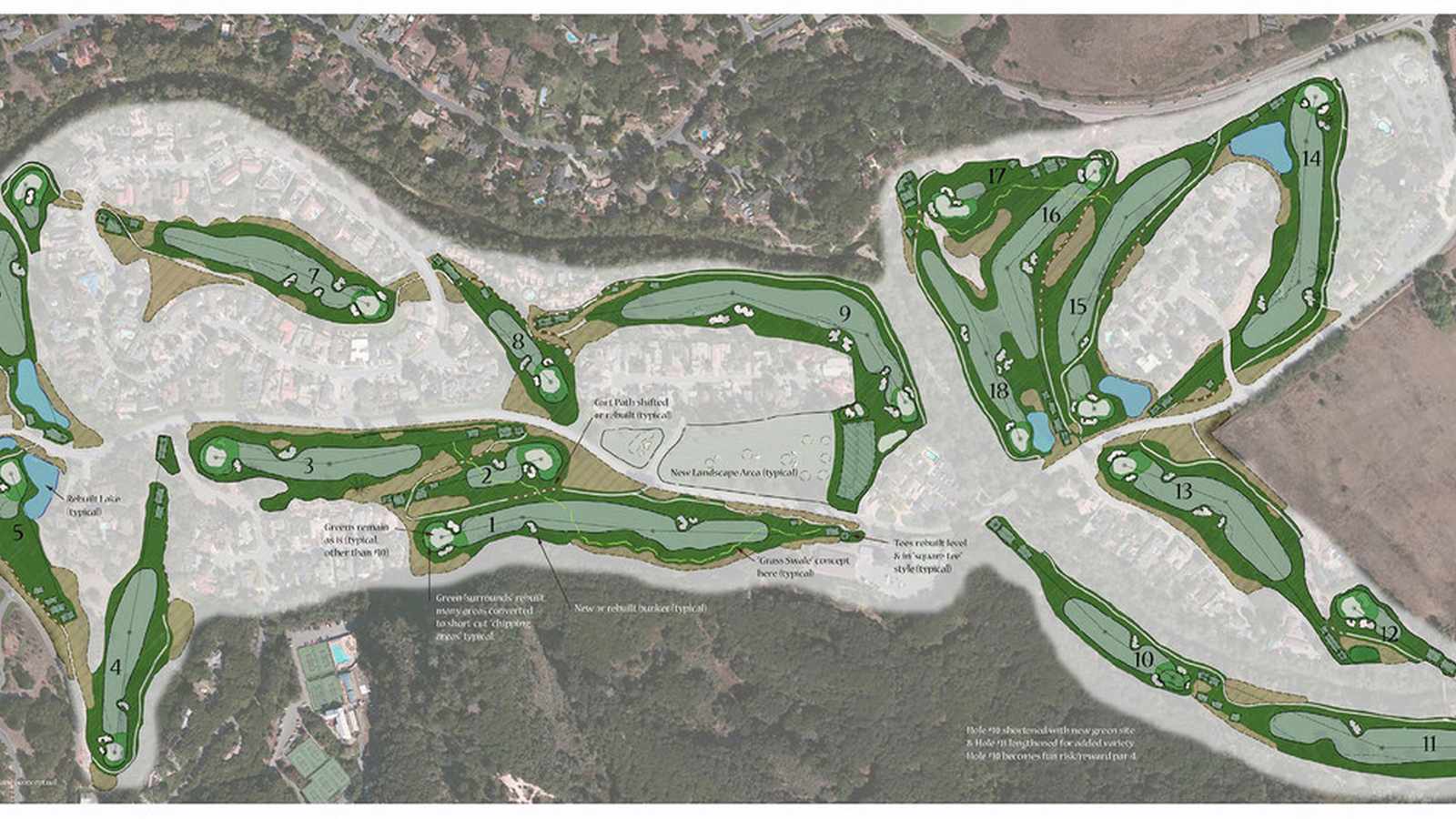
Hofer’s preferred concept outlines the development of phases 4A, 4B, and 5 of the Autumn Ridge neighborhood. Under this plan, 10 holes of the golf course would remain operational. Hofer stated he has already secured a potential buyer for the remaining 10-hole course and intends to sell the land at a price below its assessed value to ensure its long-term viability. He indicated a desire to begin construction on Phase 4A in 2027 if the project receives approval.
The proposal includes a contingency: if the 10-hole configuration proves financially unsustainable, a second scenario would trigger “Phase 6,” which would expand housing development into the eastern portion of the course while attempting to protect the western section from construction.
Concerns Over Infrastructure and Community Impact
Residents raised significant concerns regarding the broader implications for the village. Beyond personal property values, speakers highlighted the loss of affordable, accessible recreational space. Longtime members of the course’s senior leagues and parents of high school golf team members argued that the course serves a vital community function that spans generations.
Judith Way, a local resident, emphasized the strain that such development could place on municipal services, including water, sewer, police, fire, and EMS. She also pointed to environmental concerns, noting that replacing green space with pavement and housing could exacerbate stormwater management issues and disrupt local wildlife habitats. Plan Commissioner John Bieno acknowledged these tensions, urging the developer to address the “broader issues” and the “elephant in the room” before the proposal moves forward. The plan is expected to go before the Oregon Village Board in September.