


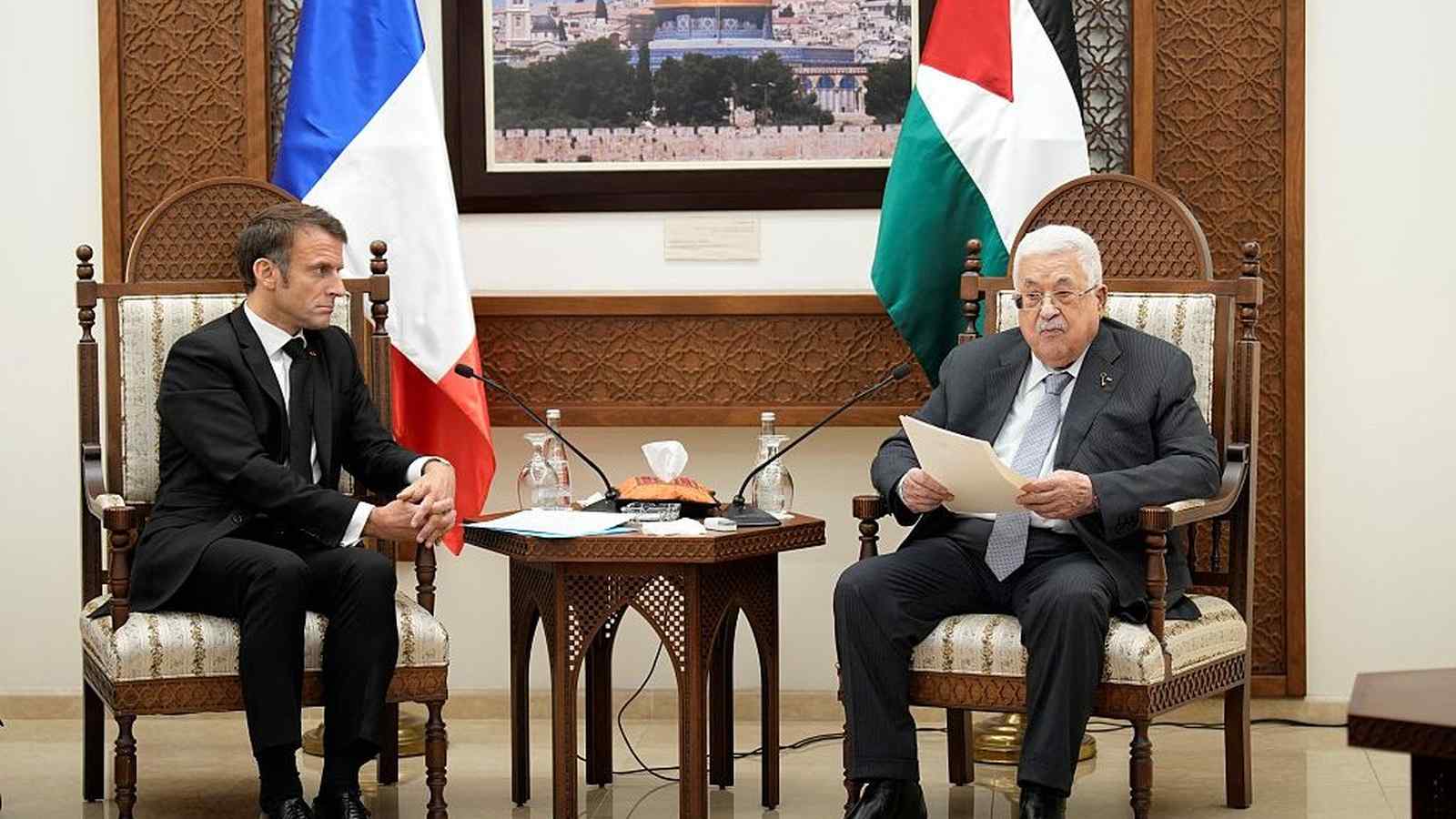
In a move that has sent ripples across global diplomatic circles, French President Emmanuel Macron announced on July 24, 2025, that France will officially recognize Palestine as an independent state during the United Nations General Assembly in September. This decision makes France the first G7 nation to take such a step, a fact that has been met with both applause and condemnation worldwide.
Macron’s Announcement and Its Timing
Macron’s statement came at a particularly volatile time in the Middle East, following the October 2023 war between Israel and Hamas and the ongoing humanitarian crisis in Gaza. In a multilingual post on social media, Macron declared, “In keeping with its historic commitment to a just and lasting peace in the Middle East, I have decided that France will recognize the State of Palestine.” Macron also emphasized the necessity of a demilitarized Palestinian state that could coexist peacefully with Israel.
France’s decision is not an isolated one; nearly 150 of the 190 U.N. member states have already recognized Palestine. However, Macron’s move is significant because it marks the first recognition by a major Western power. According to Time, Macron hopes other G7 nations will follow suit, with discussions reportedly underway with British Prime Minister Sir Keir Starmer and German Chancellor Friedrich Merz.
Reactions from Israel and the United States
The announcement has drawn sharp criticism from Israel and the United States. Israeli Prime Minister Benjamin Netanyahu called the move “a reward for terror,” warning that it risks creating another Iranian proxy in the region, much like Gaza. Israel’s Foreign Minister Gideon Saar dismissed Macron’s decision as “absurd and unserious.”
In the U.S., Secretary of State Marco Rubio labeled the decision “reckless” and accused it of setting back peace efforts. President Donald Trump also weighed in, saying, “He’s a very good guy, but that statement doesn’t carry weight.” The criticism stems from concerns that this recognition might embolden Hamas and undermine efforts toward a two-state solution.
On July 25, 2025, FDD highlighted that recognizing Palestine at the U.N. would trigger U.S. funding cuts to the organization due to existing legislation. This financial implication adds another layer of complexity to France’s decision.
Support and Praise from Palestinian Leaders and Allies
In contrast, Macron’s announcement was celebrated by Palestinian leadership and several countries that have already recognized Palestine. Hussein Al Sheikh, Vice President of the Palestinian Liberation Organization, thanked Macron for what he described as France’s commitment to international law and Palestinian self-determination.
Hamas also welcomed the decision, calling it “a positive step in the right direction.” Leaders from Ireland and Spain, including Irish Prime Minister Micheál Martin and Spanish Prime Minister Pedro Sanchez, praised Macron’s initiative as a significant advancement toward a two-state solution.
China offered a measured response, reiterating its support for a two-state solution while acknowledging France’s pivotal role in international diplomacy.
Global Implications and the Path Forward
France’s recognition of Palestine represents a major diplomatic shift that could influence other Western nations to follow suit. However, it also risks deepening the divide between those supporting Palestinian statehood and those advocating for Israeli sovereignty over disputed territories.
On the domestic front, Macron’s decision might bolster his standing among pro-Palestinian constituencies while alienating other groups. Internationally, the move could strain France’s relations with Israel and the United States, two key allies in the Middle East.
In the words of Time, Macron’s recognition is both a bold statement of France’s commitment to peace and a controversial gamble that could reshape the dynamics of the Israeli-Palestinian conflict.
Conclusion
As France prepares for the September U.N. General Assembly, the world watches closely. Macron’s decision underscores the complexities of Middle Eastern geopolitics and the delicate balance required to achieve lasting peace. Whether this move will pave the way for a two-state solution or exacerbate existing tensions remains to be seen.