


Quick Read
- Scientists have bioengineered a cancer-fighting molecule from Aspergillus flavus.
- This fungus, historically tied to ‘cursed tombs,’ now offers hope for leukemia treatment.
- The drug, named asperigimycin, disrupts cancer cell division with high precision.
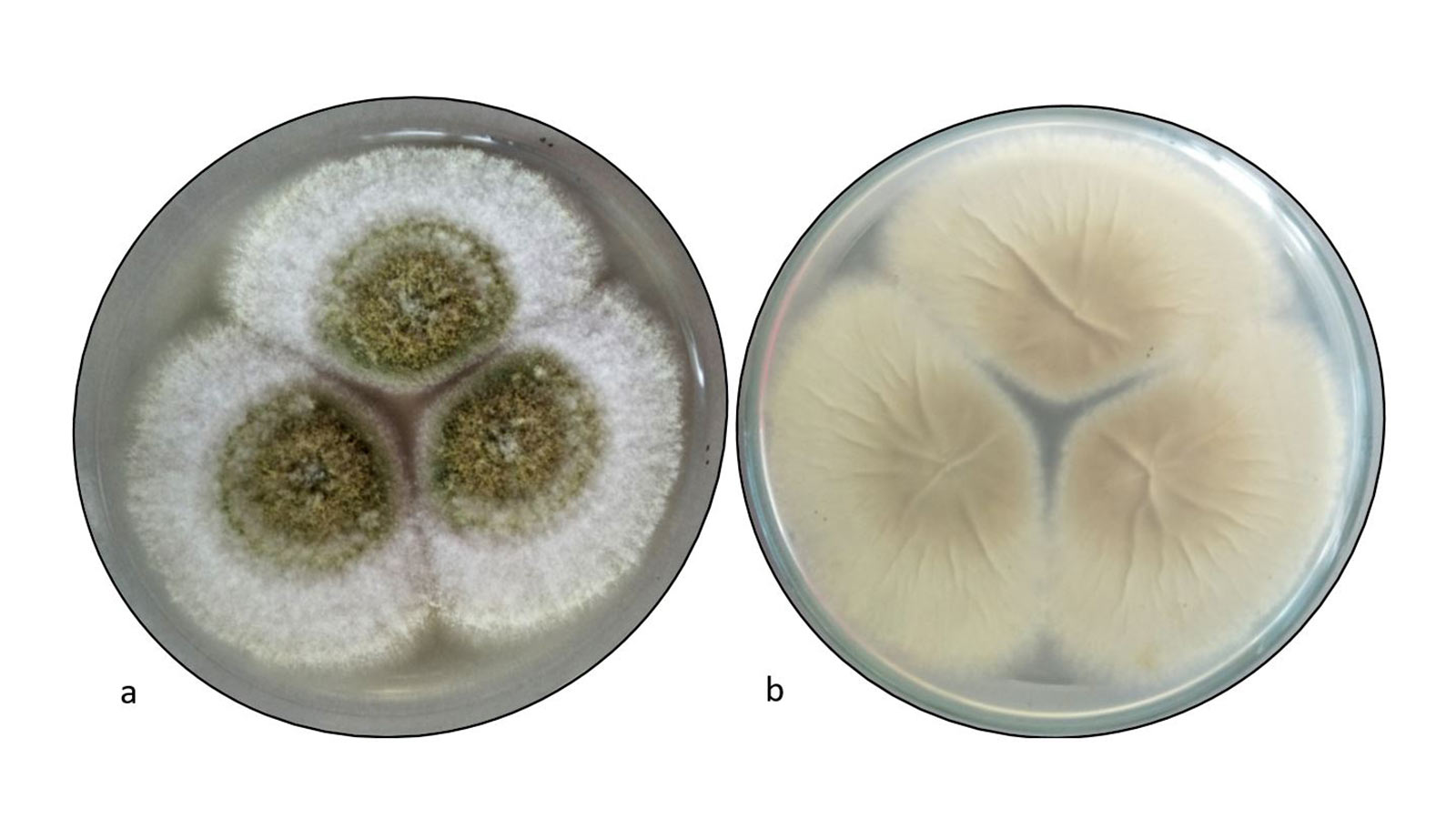
In an extraordinary scientific breakthrough, a fungus once feared as a harbinger of death is now being hailed as a beacon of hope in the fight against cancer. Researchers revealed that Aspergillus flavus—a fungus infamous for its association with ancient tombs—has been transformed into a source of potent anti-cancer compounds. These findings, published recently, signal a significant step forward in leukemia treatment.
The Fungus Behind the ‘Mummy’s Curse’
Aspergillus flavus has long been shrouded in mystery and dread. Often found in archaeological sites like Egypt’s King Tutankhamun’s tomb, the fungus was historically blamed for the so-called “mummy’s curse,” as its airborne spores posed severe health risks. According to Sciencedaily, the same spores that once spread fear are now being reengineered to save lives. Scientists at Penn State, collaborating with global researchers, identified unique molecules called asperigimycins within the fungus.
These molecules belong to a rare category of compounds known as fungal RiPPs (ribosomally synthesized and post-translationally modified peptides). By harnessing advanced bioengineering techniques, the team amplified the therapeutic potential of asperigimycins, giving rise to a promising new leukemia drug.
A Game-Changer for Leukemia Treatment
Leukemia, a type of cancer affecting blood and bone marrow, remains one of the most challenging cancers to treat. Current therapies often struggle with precision, risking harm to healthy cells. However, asperigimycin’s mechanism of action offers a glimmer of hope. According to Esciencepress, the compound targets specific pathways critical to cancer cell division, disrupting their ability to multiply while sparing healthy cells. This precision could revolutionize leukemia care, reducing side effects and improving outcomes.
Early laboratory tests have shown that asperigimycin effectively halts the growth of drug-resistant leukemia cells. If these findings translate successfully to clinical trials, the drug could address a critical unmet need for patients whose cancers no longer respond to conventional treatments.
The Broader Implications of Fungal RiPPs
The discovery of asperigimycin is part of a larger trend in biomedical research exploring natural products for pharmaceutical development. Fungal RiPPs, in particular, represent an untapped reservoir of bioactive molecules with potential applications far beyond cancer. As noted by AOL, fungi have already contributed to life-saving medications like antibiotics and immunosuppressants, and asperigimycin is the latest example of their medicinal potential.
“This is just the beginning,” remarked one researcher involved in the study. “We’re only scratching the surface of what fungi like Aspergillus flavus can offer.” The team is optimistic that further research into fungal RiPPs could yield treatments for other forms of cancer and even diseases like Alzheimer’s.
What Lies Ahead
While the journey from laboratory discovery to FDA-approved drug is a lengthy and complex process, the momentum behind asperigimycin is undeniable. Clinical trials are anticipated to begin within the next year, with researchers emphasizing the need for robust testing to ensure safety and efficacy. If successful, this groundbreaking treatment could become a cornerstone of modern leukemia care.
Moreover, the discovery underscores the value of biodiversity and the need to preserve ecosystems rich in microbial life. “Nature has solutions to problems we’re just beginning to understand,” one scientist noted. “It’s imperative that we protect these resources for future generations.”
By turning a feared fungus into a symbol of hope, researchers have not only rewritten the narrative of Aspergillus flavus but also opened new horizons in cancer treatment. The coming years will determine how this once-maligned organism reshapes modern medicine.