


Israel Opens Gaza to Red Cross and Egypt for Hostage Body Search
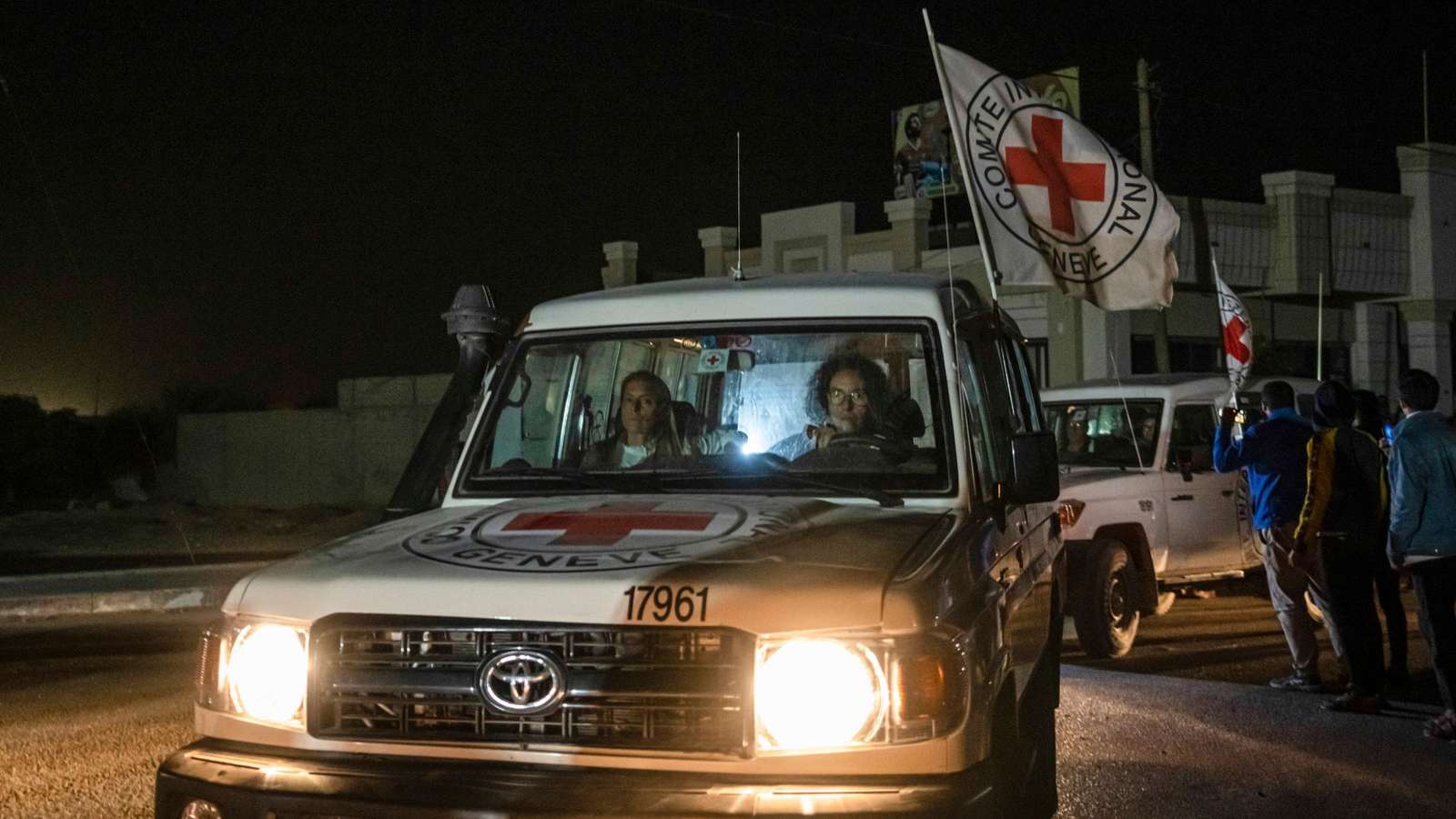
In a development that stands out against the backdrop of relentless conflict, Israel has authorized Red Cross teams and Egyptian technicians to cross the “yellow line”—the military’s withdrawal limit in the Gaza Strip—to search for the bodies of Israeli hostages. This decision, confirmed by Israeli government spokespeople and reported by i24NEWS and Al Jazeera, comes after intense international pressure and mounting humanitarian concerns.
The operation, centered in Gaza City and Rafah, involves excavators and trucks to comb through areas still under Israeli control. For months, families of missing hostages have appealed for action, their grief magnified by uncertainty and the brutal realities of war. Now, with Red Cross supervision and Egyptian cooperation, the search for closure begins in earnest.
Humanitarian Imperatives and Political Calculations
The search for the bodies is not merely a logistical mission—it is a charged humanitarian effort, layered with political implications. According to reports, Hamas operatives have also entered the areas under Israeli control, accompanied by the Red Cross, to assist in locating the remains. This rare instance of cooperation between adversaries is a testament to the profound human cost of the conflict, as well as the urgent need for reconciliation, even if only to honor the dead.
Behind the scenes, international actors have played pivotal roles. The United States, through Secretary of State Marco Rubio, has been working to draft a United Nations resolution authorizing a multinational force for Gaza, aiming to stabilize the region and ensure that such humanitarian operations can continue. Rubio noted, “Many of the countries that have expressed an interest in participating at some level—whether it be monetary or personnel—are going to need that (a UN resolution or international agreement) because their domestic laws require it.” The pressure to bring closure to hostage families has become a rallying point for global diplomacy.
The Search: On the Ground in Gaza
The logistics of the search are daunting. Gaza, battered by months of air and ground assaults, is strewn with unexploded ordnance—land mines, mortar rounds, and bombs. These remnants of war pose a lethal threat to civilians and complicate any recovery effort. Officials estimate tens of thousands of tonnes of explosives remain buried or scattered across the enclave, with children among the victims who have mistaken bombs for toys in the ruins of their neighborhoods (Al Jazeera).
Red Cross teams, Egyptian technicians, and excavators move cautiously, aware that each dig could be fraught with danger. The operation is not only about recovering bodies but also about navigating a landscape where every step is hazardous. It is a race against time, as families wait for news, hoping for closure but fearing the worst.
Amid these challenges, humanitarian workers face another dilemma: the need to balance urgency with safety. Removing explosives could take years and require millions of dollars, and the process is hindered by ongoing instability. Yet, the search presses on, driven by the conviction that dignity for the dead and peace for the living demand no less.
International Response and Future Implications
The opening of Gaza to Red Cross and Egyptian teams marks a significant shift in Israel’s approach. For months, Israeli authorities maintained tight restrictions, citing security concerns and the risk of renewed hostilities. The change came after diplomatic interventions and public outcry from both Israeli and Palestinian families.
The United States, through the Trump administration, has pushed for a multinational force to oversee such operations and maintain order in Gaza. Arab states, including Malaysia, have expressed readiness to deploy peacekeepers, echoing calls for humanitarian access and a sustainable ceasefire. Malaysian Prime Minister Anwar Ibrahim, in a statement to the UN Secretary-General, reiterated his country’s support for the Palestinian struggle and welcomed the International Court of Justice’s position that Israel’s blockade of aid constitutes a violation of international law.
Despite these steps, tensions remain high. Israeli Prime Minister Benjamin Netanyahu has insisted that Israel retains the right to veto which countries participate in any multinational initiative, particularly rejecting Turkish involvement. “Israel is an independent state, just like the United States,” Netanyahu stated at a recent cabinet meeting, pushing back against claims of foreign influence.
Meanwhile, the humanitarian situation in Gaza remains dire. Aid deliveries continue to trickle in from Egypt, following a US-brokered ceasefire, but shortages of food, medicine, and essential supplies persist. Unexploded bombs and damaged infrastructure add to the suffering, underscoring the need for coordinated international action.
Grief, Memory, and the Human Cost
For the families of hostages, the search is more than a technical process—it is a journey through grief, hope, and the enduring need for closure. Memorials, such as benches installed in Ramat Gan Safari in memory of Ariel and Kfir Bibas, serve as reminders that the losses of this conflict are deeply personal and lasting. “So the world will not forget,” reads one inscription, a plea for remembrance amid the politics and violence.
The current search, supervised by the Red Cross and aided by Egyptian teams, is unlikely to resolve all questions or heal all wounds. But it represents a step toward dignity for those lost and a measure of compassion in a landscape too often defined by suffering. As excavators turn over rubble and searchers tread carefully among ruins, the world watches, hopeful that cooperation might yield not just closure for families, but a precedent for future humanitarian efforts.
Assessment: The joint Red Cross-Egyptian search for Gaza’s hostage bodies, authorized by Israel after months of deadlock, is a rare instance of pragmatic cooperation amid conflict. While the operation cannot erase the devastation or restore lost lives, it affirms the power of humanitarian imperatives to bridge divides—even if only temporarily. The success of this effort may influence future policy, highlighting the necessity of international coordination and the enduring human need for closure and dignity, regardless of political boundaries.