


Escalation in Geneva
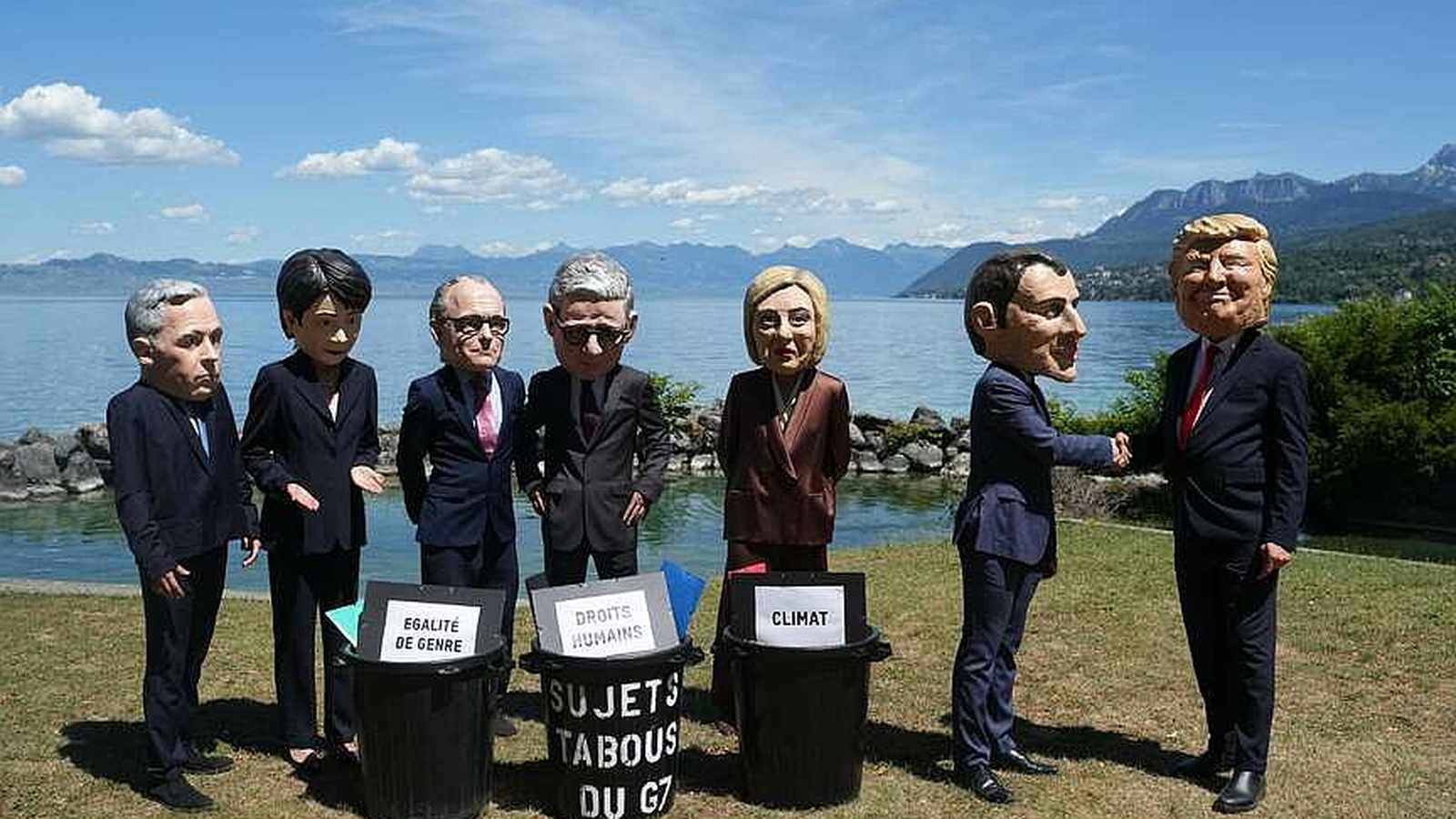
As world leaders prepare for the G7 summit in Evian-les-Bains, France, security forces in neighboring Geneva, Switzerland, were forced to deploy tear gas and water cannons on Sunday to disperse thousands of protesters. According to Geneva police spokesman Alexandre Brahier, an estimated 20,000 people took part in the march, which devolved into violent clashes involving approximately 600 ‘Black Bloc’ radicals.
The unrest, which saw protesters hurling stones and flares at police, resulted in significant property damage, including a torched Tesla vehicle and smashed windows at a local bank. Authorities had previously attempted to manage the demonstration by restricting the route to the city’s outskirts, but the presence of agitators led to a wider standoff that persisted into the evening.
Diplomatic Stakes and Security Concerns
The G7 summit, scheduled for June 15-17, occurs at a critical juncture in global geopolitics. Leaders are set to address a packed agenda, most notably the war in Iran, which has upended Middle Eastern stability since the U.S. and Israel launched operations in February. The summit is further complicated by U.S. President Donald Trump’s recent assertions of an imminent peace deal—a claim that remains shrouded in significant uncertainty among international observers.
The violence in Geneva reflects a broader, long-standing frustration with the G7, with protesters citing concerns ranging from climate policy and economic inequality to the ongoing conflict in Ukraine and the Middle East. Security measures have been unprecedented, with Switzerland mobilizing up to 4,000 troops and France deploying nearly 16,000 personnel, including gendarmes and border guards, to protect the summit perimeter.
Analysis: A Fragile Summit
The events in Geneva serve as a barometer for the current state of global governance. The ‘Black Bloc’ involvement, while a minority of the total turnout, successfully diverted resources and forced a tactical shift in policing, mirroring concerns from the 2003 Evian summit that left deep scars on the city’s infrastructure. While the majority of protesters demonstrated peacefully for causes such as women’s rights and environmental justice, the violent fringe has effectively dominated the security narrative.
For the G7 leaders, the challenge is twofold: managing the optics of a ‘fortress’ summit while attempting to project unity on the war in Iran. With the credibility of U.S. peace claims under scrutiny, the summit risks becoming a stage for diplomatic theater rather than substantive resolution, particularly as the coalition grapples with the economic fallout of the ongoing conflicts and the logistical strain of securing a multi-national gathering in such a volatile climate.