


Modeling Global Geological Gaps
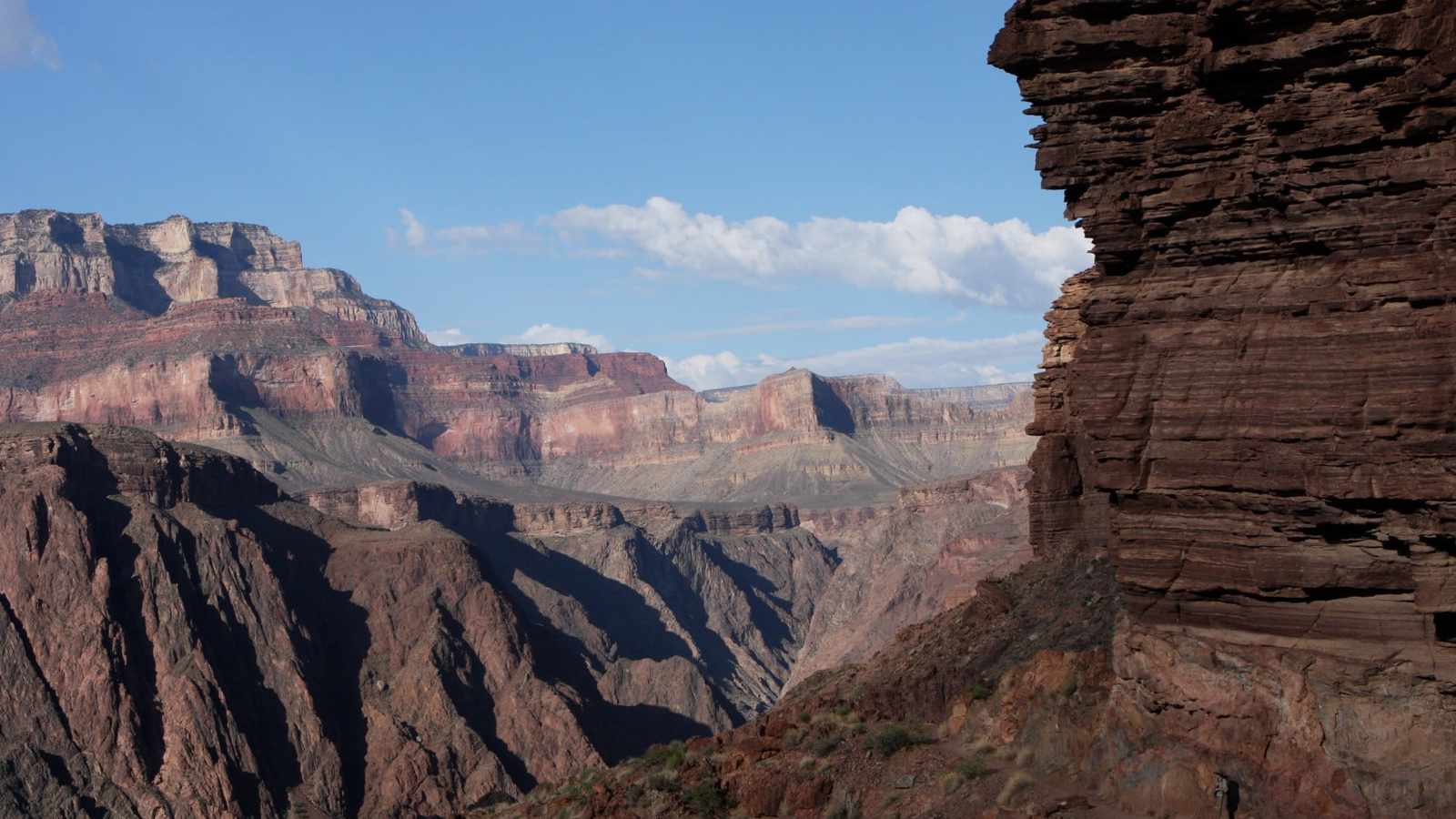
Researchers publishing in the journal Nature on November 4, 2026, according to Gizmodo, have proposed that mantle convection played a decisive role in creating the “Great Unconformity” at the Grand Canyon—a mysterious geological gap representing approximately 1.2 billion years of missing rock record. The study, led by PhD candidate Santosh Dhungana and geologist Nicolas Flament of the University of Wollongong, utilized simulations to track mantle movement over hundreds of millions of years. Their models indicate that between one billion and 540 million years ago, tectonic currents caused continental landmasses to rise, followed by a prolonged period of subsidence during the Phanerozoic eon. This sinking process likely caused the missing rock layers to submerge into the ocean, where they were eroded before being buried by newer sediments.
The Role of Ancient Escarpments
This latest finding complements research published on August 20, 2026, by a team from the University of Southampton, which identified a different but potentially complementary mechanism. That study, published in the journal Geology, suggests that the breakup of the supercontinent Rodinia approximately 800 million years ago created a massive “great escarpment” across western North America. Led by Professor Thomas Gernon, the researchers argue that these towering cliffs, which may have reached one kilometer in height and spanned thousands of kilometers, facilitated intense erosion that stripped away five to ten kilometers of rock. This process exposed the deep crystalline basement rocks observed in the Grand Canyon today, effectively acting as a precursor to the unconformity.
Implications for Earth’s History
The convergence of these theories suggests that the Great Unconformity is not the result of a single isolated event but a combination of long-term tectonic and landscape dynamics. The 540-million-year mark, which serves as the boundary for these missing layers, coincides with the onset of the Cambrian era—a period defined by the rapid diversification of life. By reconstructing these ancient landscape changes, geologists hope to better understand how shifts in seawater chemistry and geography may have influenced the Cambrian explosion. The researchers noted that their model predictions remain consistent with documented unconformities observed in regions beyond North America, including Baltica and North China, suggesting a global phenomenon driven by the Earth’s internal heat and surface tectonic interactions.