


In a landmark decision on November 26, 2025, Georgia Judge Scott McAfee dismissed the high-profile 2020 election interference case against President $1 Trump. The move marks the end of the last criminal prosecution facing Trump, closing a chapter that began with allegations of an orchestrated attempt to overturn his narrow loss to Joe Biden in the critical swing state.
The case’s dismissal comes after months of legal turbulence, most notably the removal of Fulton County District Attorney Fani Willis. Willis, who led the investigation, was disqualified by a Georgia appeals court due to a romantic relationship with a special prosecutor—a relationship that, according to the court, created an “appearance of impropriety.” Her exit left the case in limbo, prompting the Prosecuting Attorneys’ Council of Georgia to intervene.
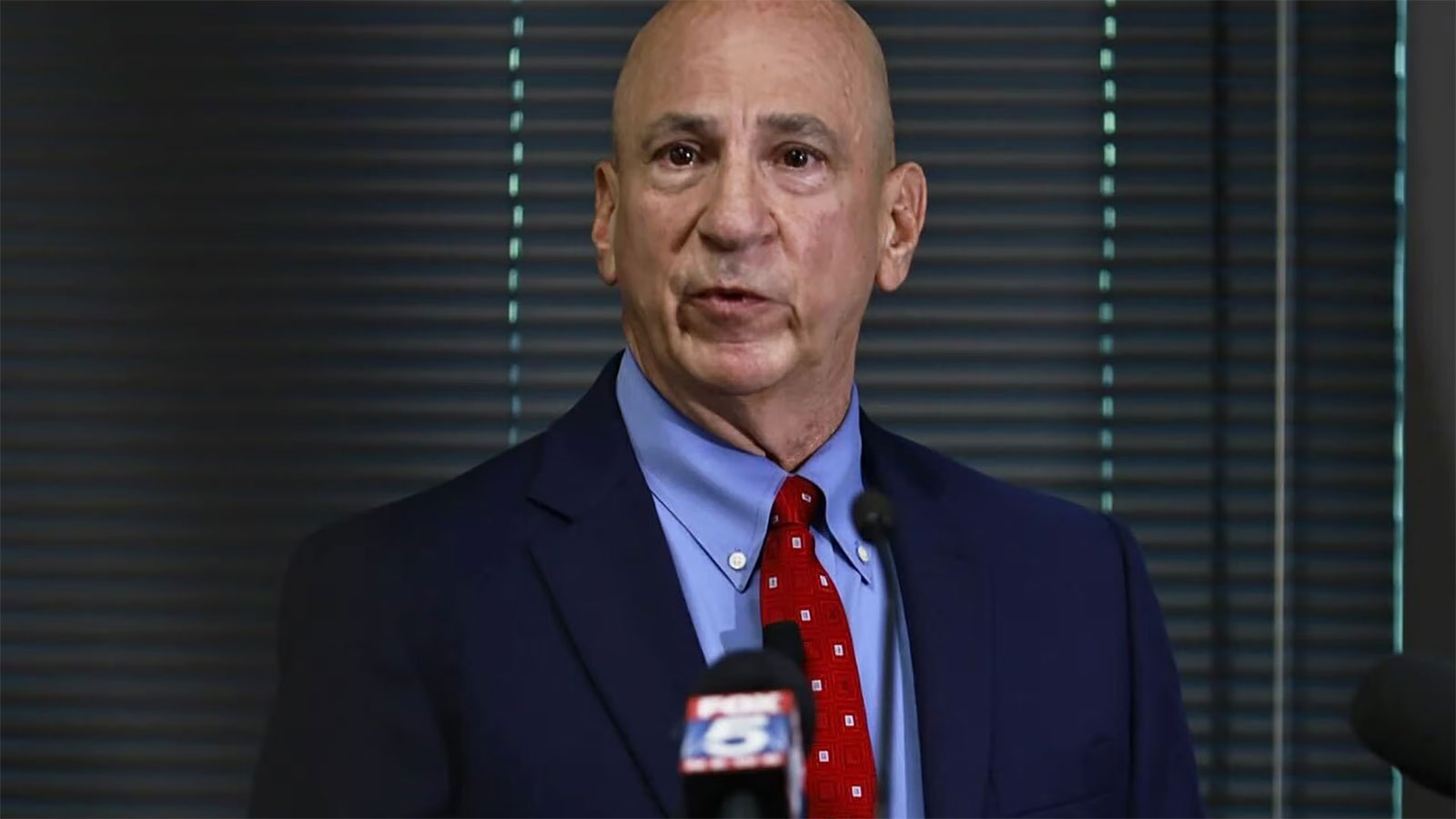
Peter Skandalakis, executive director of the Council and a former elected official with experience across party lines, ultimately assumed control of the prosecution. In his motion to dismiss, Skandalakis asserted that “to serve the interests of justice and promote judicial finality,” the charges should be dropped. He emphasized that his decision was guided by legal principles rather than political motives, referencing his own bipartisan background.
Why the Case Was Dismissed: Prosecutorial Challenges and Resource Limits
Skandalakis’ reasoning, while rooted in legal ethics, also reflected the daunting logistical demands of the case. Legal experts, such as Georgia State College of Law professor Anthony Michael Kreis, noted that the complexity and scale of prosecuting Trump and 18 co-defendants would require vast resources and time—commitments unlikely to be met after Willis’ departure. “The amount of financial resources and man hours necessary to take on this case didn’t seem to be within the scope of what Peter Skandalakis had,” Kreis explained to BBC News.
Moreover, several charges had already been dismissed earlier in 2024, signaling that the case was losing traction even before Willis’ removal. The legal proceedings had been further complicated by Trump’s 2024 election victory, which placed the case on hold until the end of his new term in 2029.
Political Fallout and Reactions: A Divided Response
Trump’s legal team greeted the dismissal with relief and vindication. Steve Sadow, Trump’s lead attorney, labeled the case “political persecution” and celebrated its end, stating, “A fair and impartial prosecutor has put an end to this lawfare.” For Trump’s supporters, the outcome reinforces a narrative of unjust targeting by political opponents.
Yet, critics point to the seriousness of the original allegations. The charges stemmed from efforts by Trump and his allies to challenge Georgia’s election results, including a now-infamous January 2021 phone call in which Trump urged Secretary of State Brad Raffensperger to “find 11,780 votes”—just enough to overturn Biden’s victory. Fani Willis’ August 2023 indictment alleged a coordinated conspiracy involving 18 defendants, with racketeering among the charges.
Some co-defendants, including attorneys Sidney Powell, Kenneth Cheseboro, and Jenna Ellis, accepted plea deals that resulted in fines, suspended sentences, and community service. Wednesday’s dismissal also applies to high-profile figures such as former New York mayor Rudy Giuliani and ex-White House chief of staff Mark Meadows.
Impact on Trump’s Legal Standing: One Conviction Remains
The Georgia case was once considered the most threatening of Trump’s four criminal indictments, largely because state-level charges cannot be pardoned by a sitting president. With its closure, Trump faces only one criminal conviction—a 2024 New York case involving hush-money payments, which he is appealing.
Other federal cases, including allegations of conspiracy to overturn the 2020 election and unlawful retention of classified documents, were dropped following Trump’s return to the White House. However, several civil lawsuits remain active. Earlier this month, Trump petitioned the US Supreme Court to review a $5 million civil judgment for defamation and sexual abuse, and in August, a New York appeals court threw out a $500 million civil fraud penalty, though it upheld findings of fraud against Trump and his businesses.
Looking Forward: What Does This Mean for Justice and Accountability?
For many observers, the dismissal of the Georgia case raises questions about the limits of the American legal system in holding powerful figures accountable. The case’s collapse illustrates how procedural missteps and resource constraints can derail even the most significant prosecutions.
Professor Kreis expressed surprise at the tone of Skandalakis’ final report, suggesting it gave Trump and his allies “a lot of benefit of the doubt, given what the evidence brought forth looked like.” Still, Kreis and other legal experts were not shocked by the outcome, given the accumulating obstacles.
The 2020 election saga in Georgia saw nearly five million ballots cast, with Biden winning by just under 12,000 votes. The state became a national flashpoint for claims of fraud and attempts to subvert the democratic process. Now, with the criminal case dismissed, the prospect of further state-level prosecutions seems remote.
Ultimately, the Georgia case’s dismissal underscores both the fragility and resilience of legal institutions under political pressure. While the charges against Trump and his allies will not see their day in court, the decision reveals how justice can be shaped by not only facts and law, but also by human failings and practical limitations. The conversation about accountability in American democracy, however, is far from over.