

Quick Read
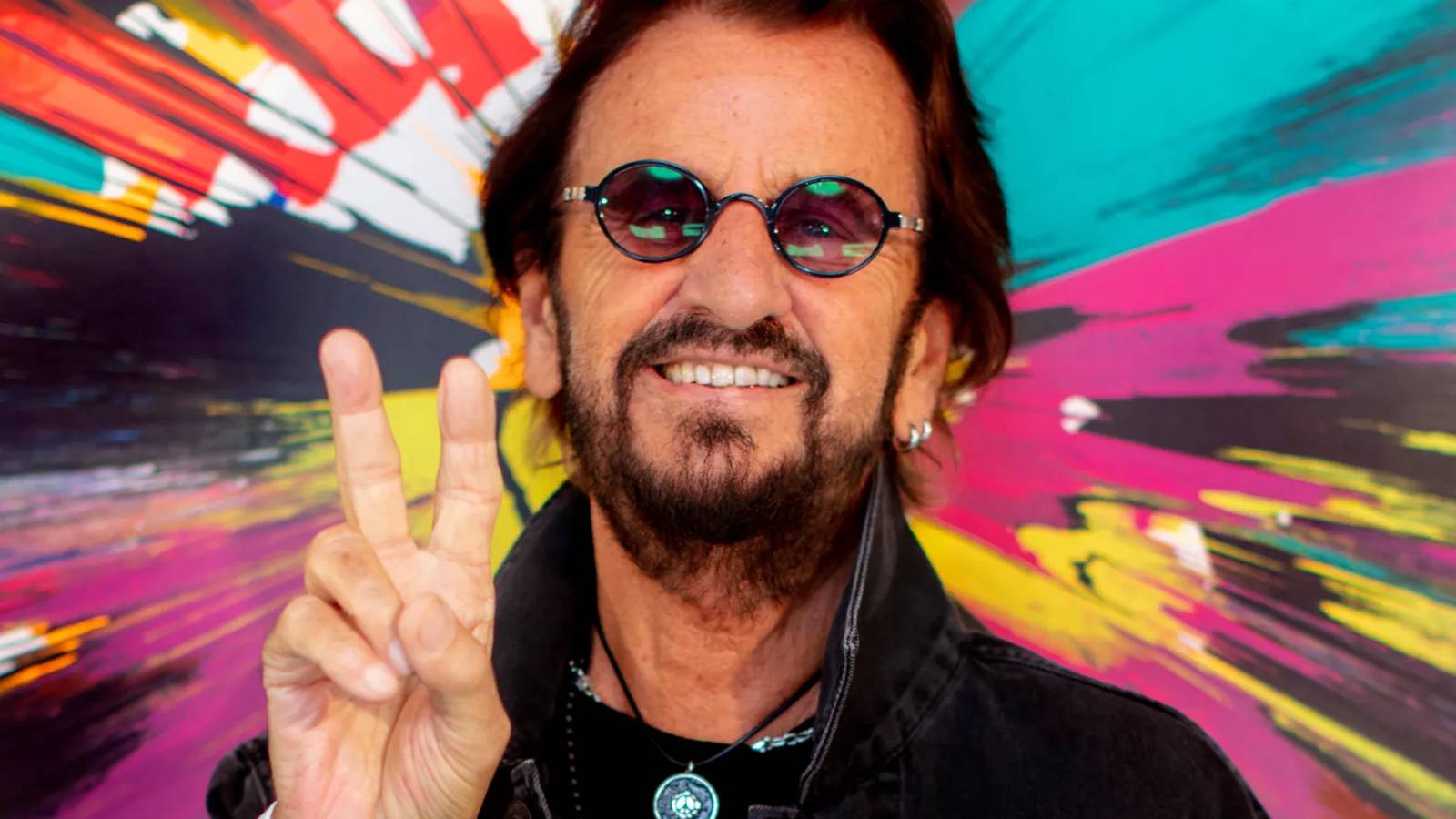
- Ringo Starr’s All-Starr Band continues a rotating touring model that defies traditional legacy act limitations.
- Paul McCartney’s new album features a rare post-Beatles duet with Ringo Starr, ‘Home to Us’.
- McCartney cites the modern, massive sound of Oasis as a production influence for his recent collaboration with Starr.
The Dynamics of Perpetual Legacy
In the spring of 2026, the musical landscape remains anchored by the gravitational pull of The Beatles. With the release of Paul McCartney’s 20th solo album, The Boys of Dungeon Lane, and the continued activity of Ringo Starr’s All-Starr Band, the surviving members of the most influential group in history are navigating the delicate balance between nostalgia and active creation. This period marks a pivotal moment for legacy acts, proving that the artistic relevance of the 1960s cohort extends well into the third decade of the 21st century.
The All-Starr Model and Touring Viability
Ringo Starr’s ongoing commitment to his touring schedule highlights a distinct business and artistic model. Unlike artists who retreat into the archives, Starr has cultivated the ‘All-Starr Band’ as a fluid, rotating collective that prioritizes professional camaraderie and the celebration of rock history. This model has proven exceptionally resilient, providing a template for how legacy artists can remain commercially viable and culturally present without succumbing to the static nature of a ‘greatest hits’ residency.
Artistic Collaboration and the Weight of History
The recent collaboration between McCartney and Starr on the track “Home to Us” serves as more than a sentimental reunion; it is a profound exploration of their shared origins. McCartney has explicitly noted that the inspiration for the track’s sonic weight—described as “amps on 12″—was influenced by the massive sound of the reunited Oasis. By bridging the gap between their foundational childhood experiences and modern production standards, the duo continues to demonstrate an evolving artistic sensibility.
Reflecting on the loss of John Lennon and George Harrison, McCartney has articulated a stoic acceptance of mortality that informs his recent work. “But that’s life: you lose people,” he noted in recent press. This perspective allows the surviving Beatles to approach their past not as a burden, but as a framework for current creative expression. The ability to process grief while simultaneously producing new music is central to their sustained influence.
Historical Context and Future Stakes
As we approach the 60th anniversary of the band’s final touring years in 1966, the discourse surrounding The Beatles has shifted from speculation about reunions to an appreciation of their individual longevity. The “what if” scenarios that plagued the band in the 1970s—such as the pressures John Lennon faced regarding potential reunions—have been replaced by a quiet, dignified continuation of their separate artistic journeys. The stakes remain high: the preservation of a musical canon that defines the modern pop era, and the proof that artists can maintain agency over their narrative long after their peak commercial years.
Ultimately, the ongoing activity of Ringo Starr and Paul McCartney serves as a testament to the endurance of creative partnership. By refusing to let their legacy be defined solely by the past, they have successfully integrated their history into the contemporary touring economy. The “Boys of Dungeon Lane” era is not a swan song, but a sophisticated reflection on a shared life that continues to resonate with both long-term fans and a new generation of listeners, ensuring that the Beatles’ influence remains as dynamic as it is indelible.