


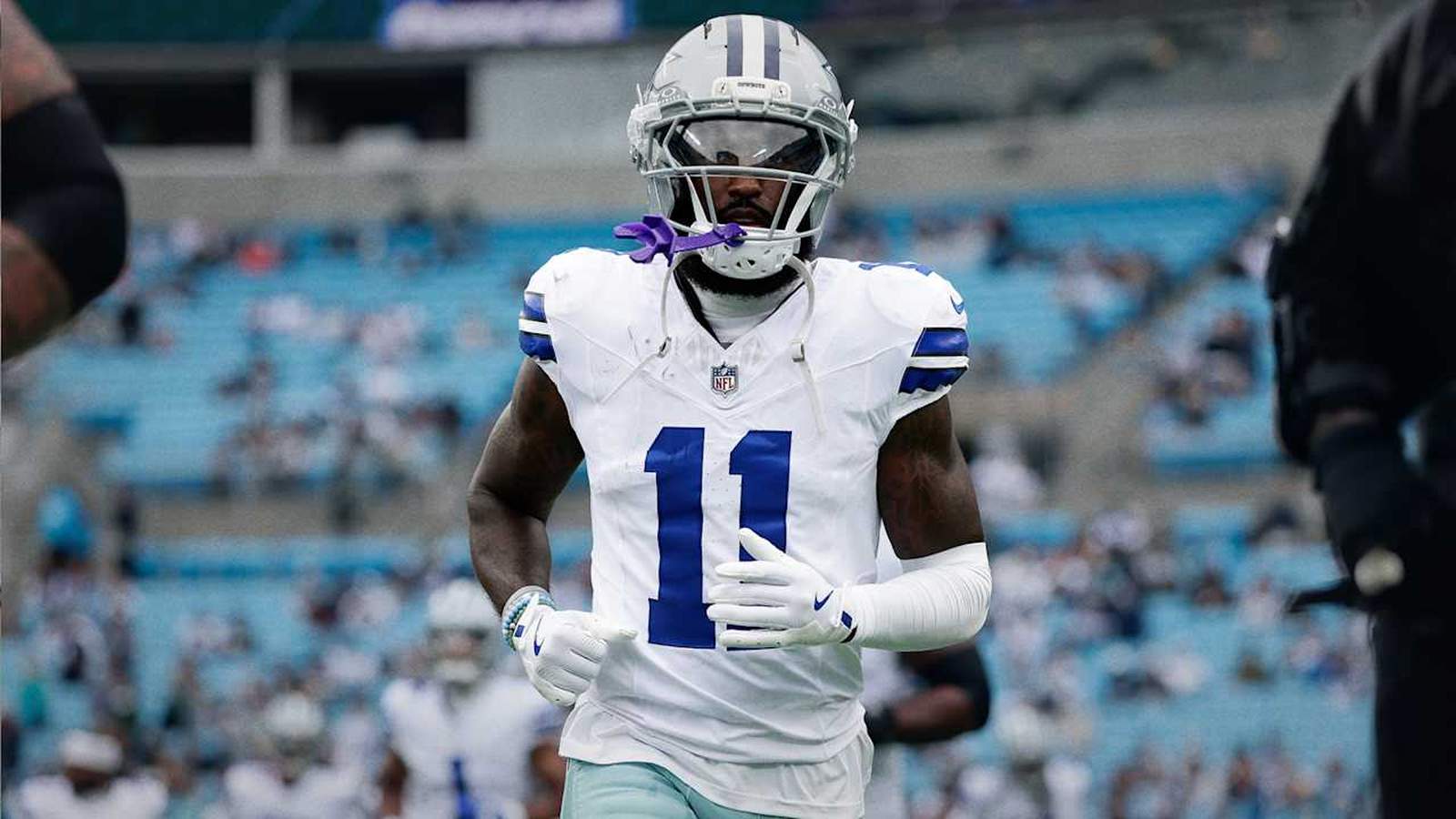
The End of an Era for a High-Potential Prospect
The NFL transaction wire delivered a definitive conclusion to a career that promised much but struggled to overcome the physical rigors of professional football. This week, the Dallas Cowboys officially placed wide receiver Parris Campbell on the reserve/retired list. At just 28 years old, less than two months shy of his 29th birthday, Campbell has chosen to step away from the game, closing the book on a journey that began as a highly touted second-round pick out of Ohio State in 2019.
Campbell’s entry into the league was marked by elite physical metrics, including a 4.31-second 40-yard dash, which made him a centerpiece of the Indianapolis Colts’ offensive strategy. However, his tenure in the league became a study in the volatility of professional sports. Across multiple seasons, Campbell battled a recurring cycle of injuries that kept him on the sidelines, preventing him from establishing the consistency required to thrive at the professional level.
The Anatomy of a Career Interrupted
The statistical narrative of Campbell’s career highlights the difficulty of maintaining momentum in the NFL. Despite flashes of brilliance, particularly during his contract year with the Colts where he recorded 63 receptions for 623 yards, he was unable to translate that success into long-term stability. Subsequent stints with the New York Giants and the Philadelphia Eagles failed to revitalize his trajectory, ultimately leading to his signing with the Dallas Cowboys this past January.
His retirement serves as a stark reminder of the “second-round flameout” phenomenon—a trend where players with elite vertical speed and collegiate pedigree fail to find their footing in a league where availability is often the most critical skill. Campbell’s career path, defined by four separate seasons on injured reserve, provides an institutional warning for organizations betting on high-potential prospects who have yet to prove their durability.
Institutional Stakes: The Case of Tyquan Thornton
The discourse surrounding Campbell’s retirement has inevitably drawn comparisons to other wide receivers currently navigating similar career arcs, most notably Tyquan Thornton. Like Campbell, Thornton entered the league with significant expectations and has faced his share of early-career adversity, including stints on injured reserve during the 2022 and 2023 seasons.
However, the comparison highlights a critical divergence in career management. Thornton’s recent breakout—notably his 438-yard performance in the 2025 contract season—has earned him a two-year commitment from the Kansas City Chiefs. While analysts caution against projecting one player’s struggles onto another, the parallel serves as a “warning shot” regarding the fragility of an NFL career. For Thornton and the Chiefs, the upcoming season represents a pivotal juncture; the focus shifts from merely surviving the transition to the professional level to sustaining elite production. The league’s history is littered with players who showed promise in a contract year only to fade; Campbell’s exit is a sobering reminder of how quickly those opportunities can disappear.
The departure of Parris Campbell from the NFL landscape is more than just a roster change; it is an analytical snapshot of the league’s unforgiving nature. For organizations, the lesson remains clear: the intersection of elite physical talent and durability is narrow. As teams like the Chiefs invest in prospects like Thornton, they are effectively betting on the ability to break the cycles of inconsistency that defined careers like Campbell’s. Ultimately, the transition from a high-potential prospect to a consistent professional is a rare feat, and the cost of failure is often an early and involuntary exit from the sport.