


Ghost of Yotei’s Story: Beyond Revenge, Into the Heart of Ezo
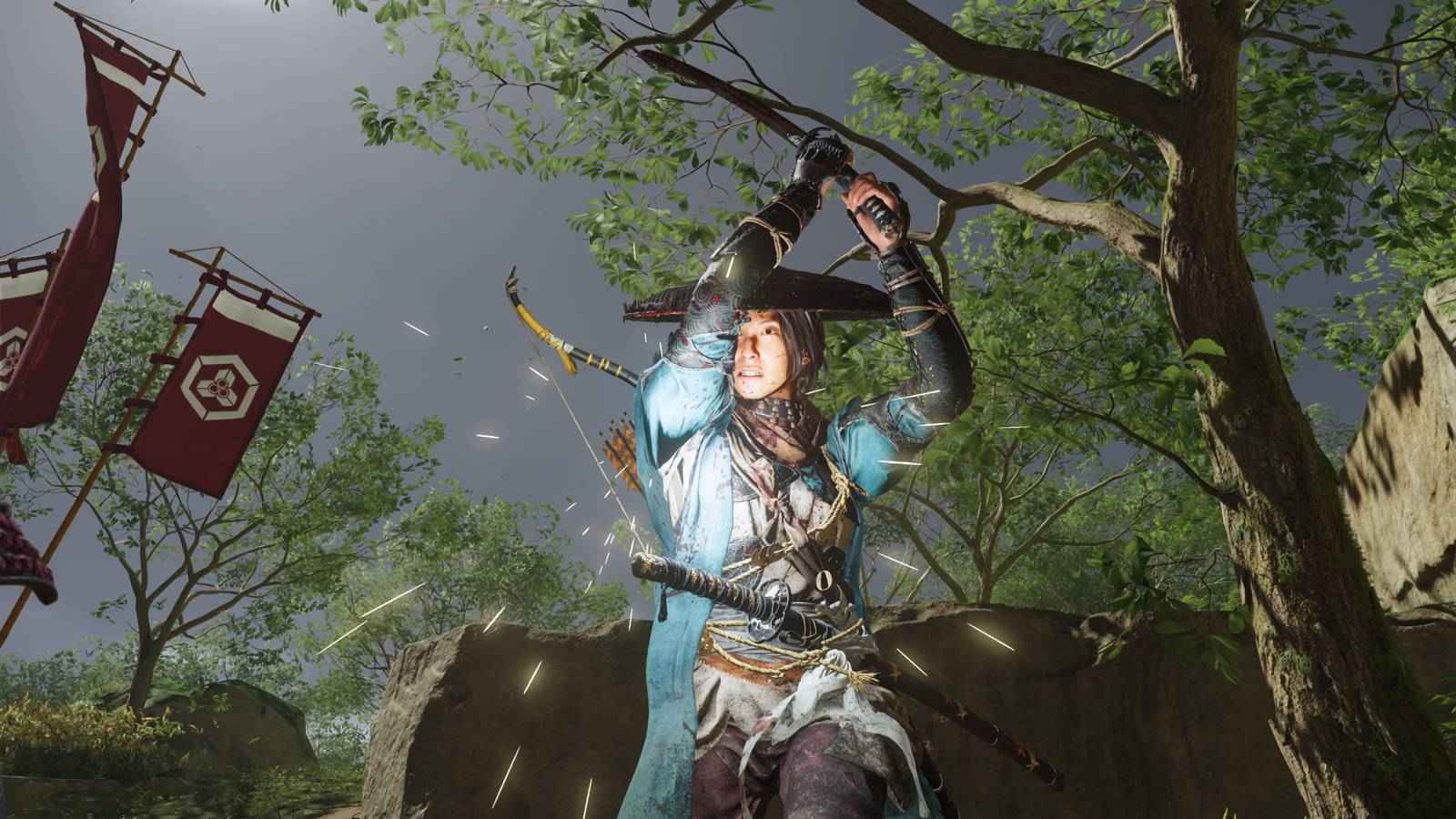
When a game centers its narrative around revenge, it’s tempting to sigh and expect the familiar. Yet Ghost of Yotei, set in rural 1600s Japan, refuses to settle for cliché. Instead, it crafts a tale that’s as much about loss, grief, and resilience as it is about vengeance. You play as Atsu, a mercenary haunted by her past—a child who survived the massacre of her family by the ruthless Yotei Six. Sixteen years later, she returns to Ezo, the land shadowed by Mount Yotei, determined to confront those who destroyed her world.
What makes this journey compelling isn’t just the quest for justice. Through quiet flashbacks and reflective moments, the game draws you into Atsu’s memories—her fractured family bonds, her sorrow, and the small beauties she discovers amid bleakness. These moments elevate Ghost of Yotei above typical revenge-driven sagas, encouraging players to connect deeply with Atsu and those she encounters along the way. As indy100 notes, the developers have masterfully captured the spirit of a wandering samurai, lending authenticity and emotional depth to every step.
Open World Wonders: Lake Jozan and the Art of Exploration
From the moment you step into Ezo, Ghost of Yotei makes it clear: this is a world that rewards curiosity. The landscape itself is a character—misty lakes, wildflower fields, bamboo forests, and snow-capped peaks. Lake Jozan, nestled in the northwest of Yotei Grasslands, is a perfect example of the game’s layered design. It’s not just a scenic spot; it’s a hub for secrets, puzzles, and spiritual encounters. Hidden shrines, painting locations, and environmental challenges await those who stray from the beaten path.
To reach Lake Jozan, you’ll navigate winding trails and cross bridges adorned with paper charms, each area whispering its own lore. The lake’s mist conceals collectible spirit echoes and rare crafting materials. Quests like “Echoes of Still Waters” and “The Music Beneath the Mist” draw you into the region’s mysteries, asking you to retrieve lost amulets or play the shamisen at dawn to reveal new fast travel points. Completing these challenges isn’t just about gathering rewards—it’s about uncovering the ancient stories that shape Ezo’s atmosphere.
Whether you’re dueling formidable foes or piecing together the fragmented map, exploration in Ghost of Yotei feels organic and deeply rewarding. The absence of a cluttered HUD, replaced by subtle cues and the Guiding Wind, keeps your attention on the world itself, making each discovery feel earned rather than handed out.
Combat Refined: Skills, Charms, and the Rhythm of the Blade
Ghost of Yotei builds on the foundation laid by its predecessor, Ghost of Tsushima, but sharpens every edge. Combat is kinetic and immersive, demanding quick reflexes and strategic thinking. Atsu starts with a katana, but as you progress, dual katanas and a host of other weapons come into play. There are no rigid stances; instead, mastery comes from training with veteran warriors and unlocking new techniques at Altars of Reflection—shrines scattered across the land.
Charms are central to shaping your play style. Altars reward you with powerful upgrades: Mother’s Charm boosts arrow damage; Father’s Charm lets perfect parries restore health; Hachiman’s charm increases standoff streaks. Some charms, like the Charm of Fatal Silence, grant stealthy advantages, while others enhance resource gathering or healing. Finding these altars—often hidden behind environmental puzzles or guarded by legendary foes—becomes its own adventure, as outlined by Nerdschalk.
Parrying, dodging, and countering form the backbone of combat. If the timing feels tight, players can adjust difficulty settings or seek special armors like the Armor of the Undying or Bounty Master Armor, which expand the parry window and add tactical nuance. Each duel, especially against the Yotei Six, is unique, requiring you to learn your enemy’s strengths and patterns—a process that’s both challenging and exhilarating.
Puzzles, Side Quests, and the Spirit of Discovery
Ghost of Yotei is rich with environmental storytelling. Areas like the Stone Spire Hideout challenge you to read clues, solve puzzles, and interact with the world in subtle ways. To unlock the Altar of Reflection at Stone Spire, for instance, you must climb towers, interpret cryptic notes, and play the shamisen to awaken a slumbering ronin. These moments weave stealth, exploration, and narrative into the gameplay fabric, reinforcing the feeling that every corner of Ezo holds a secret.
Side quests are more than distractions—they’re windows into the lives and legends of the region. From dueling master swordsmen to trading songs with travelers, every interaction builds the sense of a living world. The freedom to approach objectives in any order, combined with dynamic events and day-night cycles, makes each playthrough unique.
Visuals and Atmosphere: A Breathtaking Samurai Canvas
Ghost of Yotei is a visual triumph. The contrasts—white wildflowers against stormy skies, cherry blossoms bathed in sunrise, mist swirling over Lake Jozan—invite players to pause, breathe, and take in the scenery. The game’s Photo Mode is robust, allowing for creative captures with animated backgrounds, variable lighting, and expressive details.
Performance is equally impressive, with options for ray tracing and smooth 60 fps gameplay. Whether you’re riding across open plains or dueling under the moonlight, the world feels alive and meticulously crafted. Multiple audio-visual modes (Samurai Cinema, Kurosawa Mode, Miike Mode) let players tailor their experience, from black-and-white cinematic drama to lo-fi music soundtracks.
Ghost of Yotei’s Impact: A Contender for Game of the Year
In a year crowded with standout releases, Ghost of Yotei asserts itself as a Game of the Year contender. Its story is intimate yet epic, its open world both inviting and mysterious, and its combat polished to a fine edge. The game doesn’t reinvent the samurai adventure—it refines it, focusing on organic exploration, emotional storytelling, and player-driven discovery.
With every shrine purified, every duel won, and every secret uncovered, Ghost of Yotei invites you to lose yourself in the legends of Ezo. It’s a journey that lingers long after the credits roll, a testament to the power of games to blend art, narrative, and challenge into something unforgettable.
Ghost of Yotei succeeds because it respects its players’ curiosity and emotional investment, blending visual grandeur, thoughtful mechanics, and heartfelt storytelling into an experience that stands tall among 2025’s best. Its world rewards exploration, its narrative rewards empathy, and its combat rewards mastery—a rare trifecta in modern gaming.