


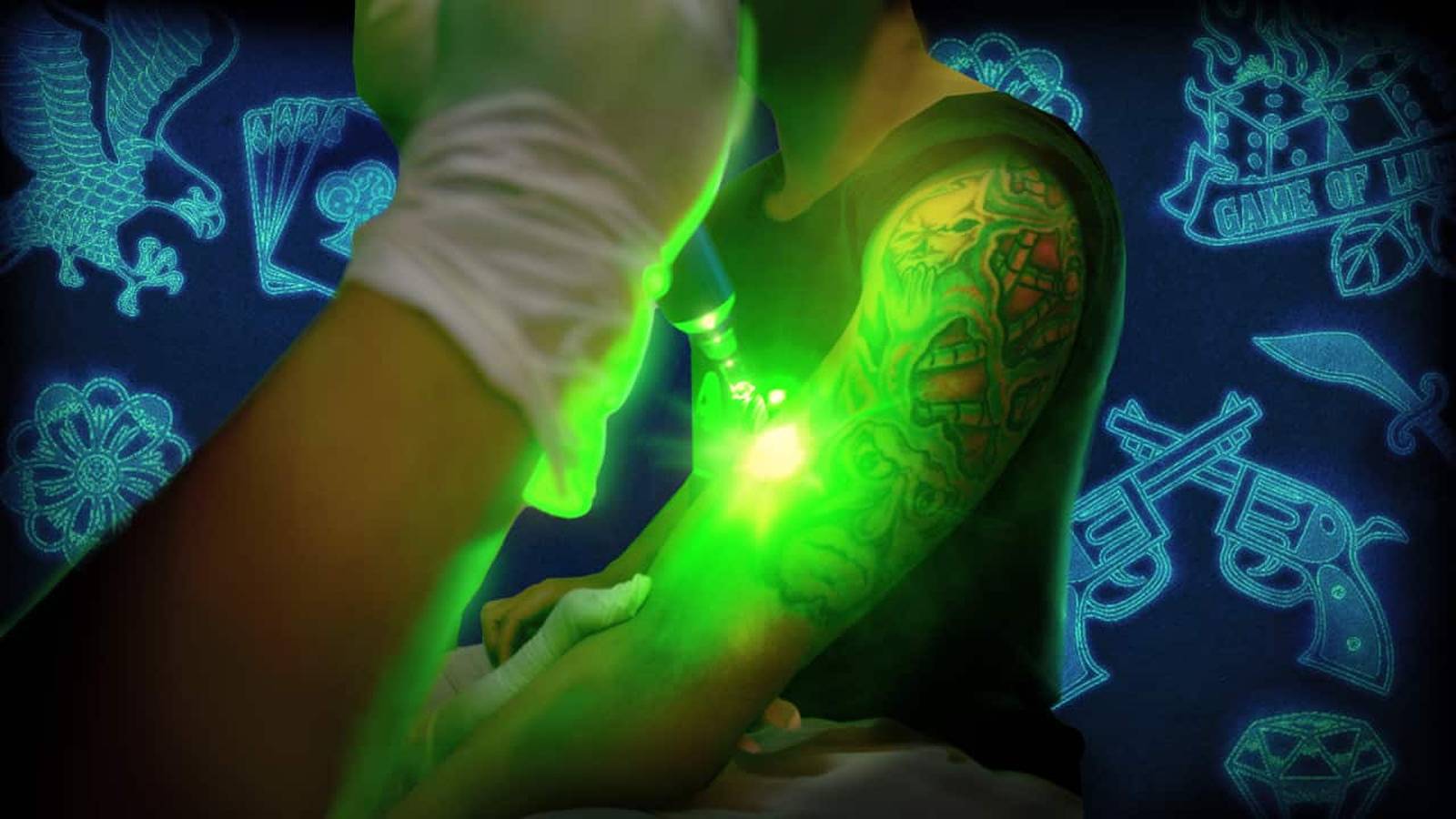
Market Growth and Shifting Consumer Trends
The global tattoo removal industry is experiencing a period of rapid expansion, with market projections estimating an increase from approximately $1.29 billion in 2025 to $4.87 billion by 2034, according to industry analysts. This surge is largely attributed to a fundamental shift in how consumers perceive permanence, combined with a rise in demand for corrective services following the popularity of intricate fine-line tattoo designs.
Mike Anderson, who operates a network of clinics across Australia and the United States, notes that the complexity of modern fine-line tattoos has inadvertently fueled business growth. “With more detail comes more opportunity for mistakes and bad work,” Anderson explained, highlighting that when these complex designs fail, the need for professional removal becomes immediate and often urgent. The demographic profile of clients is also evolving, with recent trends showing an increasing number of women seeking removal services.
Social Rehabilitation and the Removal of Extremist Ink
Beyond aesthetic correction, the industry has increasingly become a vehicle for social rehabilitation. Over the past five years, clinics have reported a rise in requests to remove offensive, hate-related, or extremist symbols. In response, some providers have launched charity programs to offer these services free of charge to individuals looking to disassociate from their past.
Anderson’s clinics, for instance, operate a rigorous application process for such charity cases, often coordinating with parole officers to support young people seeking a “fresh start.” By removing symbols that once tied individuals to harmful ideologies, the clinics aim to “break the chain of influence,” according to SBS News. The impact of these procedures is often profound, with clients reporting significant emotional relief as they shed visual markers of past associations that previously hindered their social and professional integration.
From Subculture to Mainstream
The current demand for both tattoos and their removal reflects the broader evolution of body art in Western society. In Australia, tattooing has transitioned from a practice primarily associated with convict subcultures to a mainstream form of self-expression. Research indicates that as of 2023, approximately 30% of Australians possess at least one tattoo, up from 20% in 2018. While specialists like Jonathan Tsang and Rhys Gordon emphasize that tattoos remain vital cultural artifacts for many, the growing removal market underscores a new reality: the ability to change one’s physical appearance is now as accessible as the choice to alter it in the first place.