


A Shift Back to Brick-and-Mortar
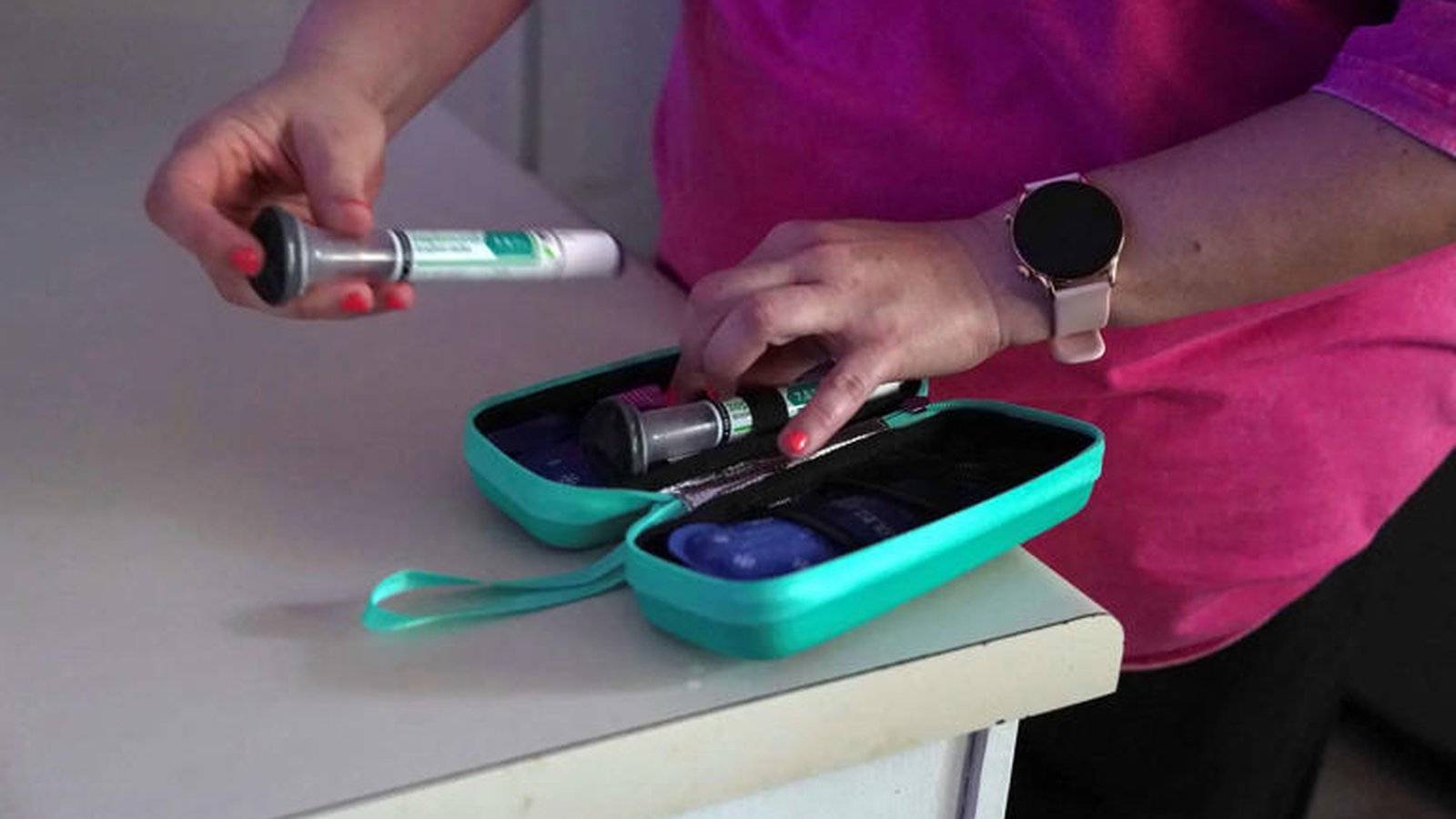
As millions of Americans utilize GLP-1 weight-loss medications, a significant shift is occurring in consumer behavior. For many users, the process of losing weight has necessitated a complete wardrobe refresh, driving a resurgence in in-store shopping. According to a survey of 500 consumers from ReturnPro, more than two-thirds of those using GLP-1s report that their sizing changes have made them more likely to shop in physical retail locations rather than online.
For shoppers like Nora Nye, a 58-year-old bankruptcy lawyer from Denver, the experience of navigating new sizes after losing 80 pounds can be overwhelming. Nye notes that retailers must be prepared for an influx of customers who are entering new size categories and require guidance on fit and style. This trend is creating a critical juncture for retailers, who are now reevaluating their physical store strategies to capitalize on this demand.
Retailers Adapt to Evolving Needs
Retailers are responding by enhancing the in-store experience to address sizing inconsistencies and the need for personalized service. Kelly Cook, CEO of David’s Bridal, reports that the company has observed shoppers trying on twice as many dresses—sometimes up to 10 styles per visit—as they navigate their changing bodies. This increase in trial volume necessitates more robust fitting room management and, in some cases, technological integration.
Industry analysts, including Don Johnson of EY-Parthenon, suggest that this trend could slow the long-term industry flight toward purely e-commerce models. To succeed, retailers must be more thoughtful about the in-store environment. Innovations like AI-powered fitting rooms, such as those implemented by Victoria’s Secret, are being used to help shoppers request different sizes efficiently. Additionally, experts like PwC’s Ali Furman anticipate that department stores and discount chains will implement broader in-store service investments over the next year to better support this demographic.
The Importance of Personalization
While technology plays a role, human-centric service remains a key differentiator. Amber Volkin, who runs a private styling business in Austin, Texas, notes that approximately three-quarters of her clients have mentioned GLP-1 use. She emphasizes that retailers must provide high-quality service to justify the in-person shopping experience. As consumers’ weight stabilizes, they are also showing a higher propensity to purchase premium items, with 91% of premium spenders surveyed by ReturnPro indicating a preference for in-store shopping.