


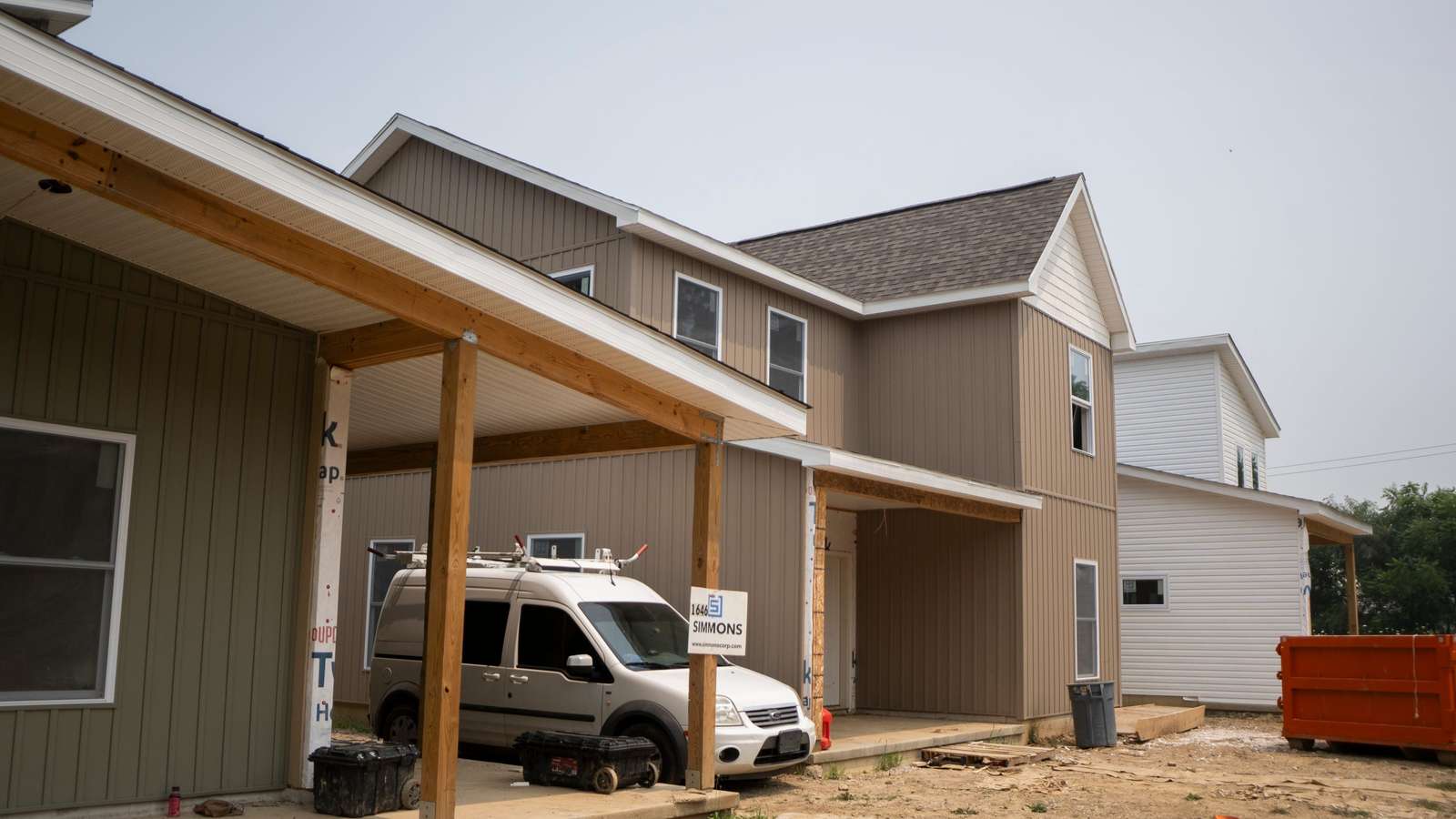
A New Federal Approach to Housing Supply
The 21st Century ROAD to Housing Act, enacted in July 2026, represents a significant bipartisan pivot in U.S. federal housing policy. By shifting from traditional grant models to a performance-based framework, the law seeks to address persistent housing supply shortages by tying federal dollars to measurable local construction outcomes.
The 139-page legislation introduces the “Build Now” provision, which fundamentally alters the Community Development Block Grant (CDBG) program. For the first time, federal funding for cities and urban counties will be determined by their housing growth rates. Jurisdictions exceeding the median growth rate will receive bonus funding, while those falling below the median face a 10% reduction. These conditions are set to take effect in fiscal year 2029.
Incentives and Administrative Flexibility
Beyond the “sticks” of funding reductions, the law provides “carrots” through a new $200 million annual Innovation Fund. From fiscal 2027 through 2031, this competitive grant program will reward municipalities that streamline zoning, revise minimum lot sizes, or eliminate restrictions on accessory dwelling units. Furthermore, the act allows CDBG funds to be used for new affordable housing construction—a practice previously restricted—with a 20% cap on allocations for such projects.
“This is the first time to my knowledge that the federal government will condition resources on the actual construction of new homes,” said David Garcia, deputy director of policy at UC Berkeley’s Terner Center for Housing Innovation. He noted that while the law motivates high-cost cities to increase production, local agencies remain subject to broader economic forces like interest rates and labor costs that are beyond their control.
Implementation Hurdles
The law faces significant implementation challenges, particularly regarding the capacity of the U.S. Department of Housing and Urban Development (HUD). With HUD staffing reduced by 24% in fiscal year 2026, the agency is now tasked with managing over 35 new or updated programs. Industry experts, including those from the Council of State Community Development Agencies, have expressed concern that administrative burdens could hinder the effective deployment of these new tools.
While some local leaders, such as Hartford Mayor Arunan Arulampalam, welcome the increased flexibility, there remains skepticism about the reliance on short-term housing growth as a metric for funding. Six national organizations representing local governments previously urged Congress to remove the Build Now provision, arguing that such metrics could be slow, misleading, and render federal funding unpredictable.