


A Strategic Vision for Energy Security
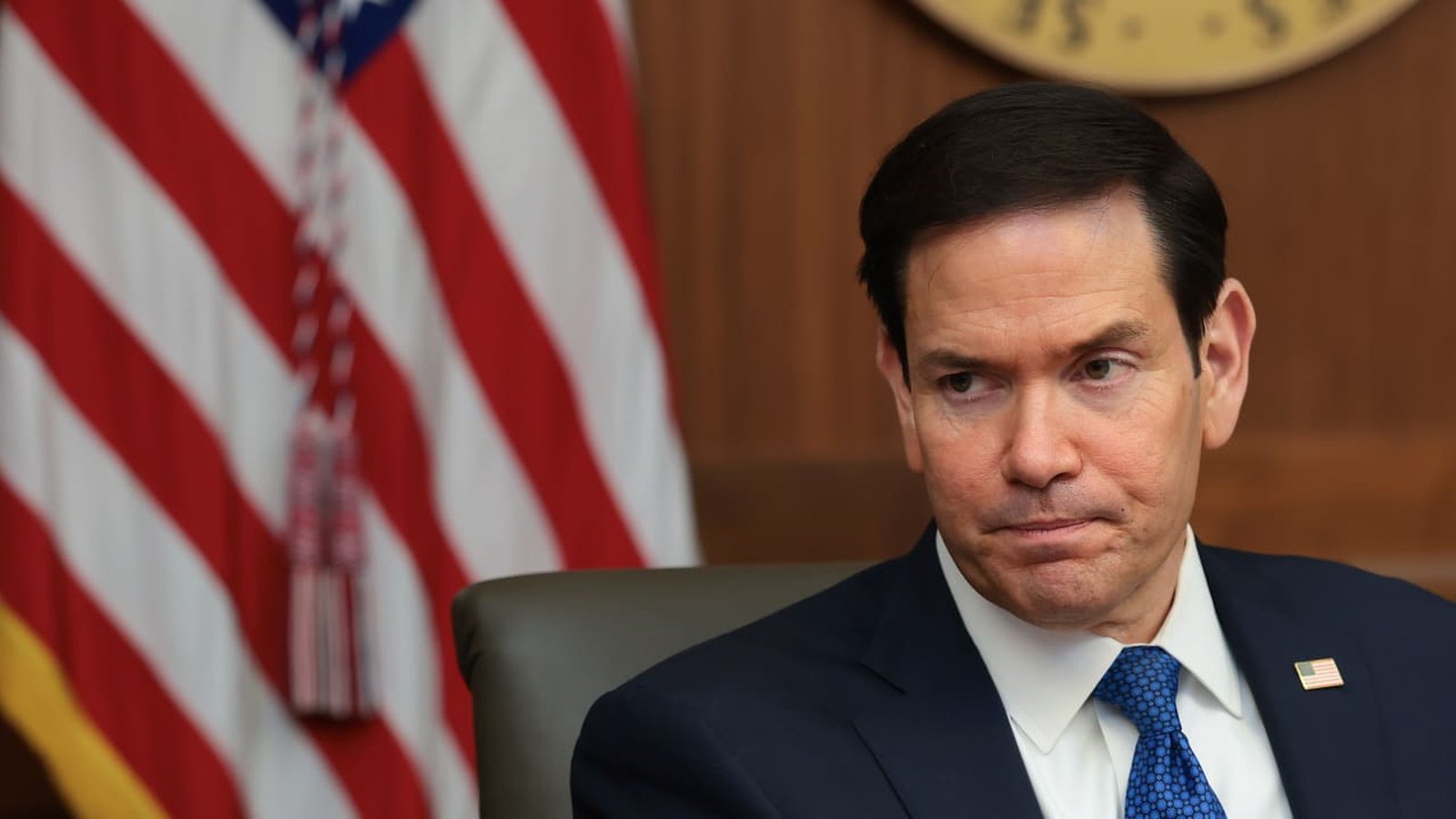
United States Secretary of State Marco Rubio has proposed a major shift in global energy transit, aiming to reduce reliance on the Strait of Hormuz. In a recent interview with Fox News, Rubio framed this as a necessary geopolitical realignment, arguing that the Iranian regime’s insistence on controlling the strategic waterway necessitates a permanent move away from it. Before the onset of the US-Israel war on Iran, the Strait of Hormuz accounted for approximately 20 percent of global seaborne oil trade, handling roughly 20 million barrels per day.
Rubio’s vision is predicated on the belief that the current US administration’s assertive stance has fundamentally changed the dynamic with Tehran. He suggested that this pressure has made the Iranian leadership more willing to engage in negotiations regarding denuclearization and the status of the straits. “You might not have a regime change, but the regime has to change,” Rubio stated, emphasizing that the current strategy is supported by Israel.
The Logistical Reality of Bypassing Hormuz
Despite the administration’s strategic goals, energy experts warn that bypassing the waterway is an immense, if not impossible, undertaking in the near term. According to the US Energy Information Administration (EIA), the strait is a critical artery for not only oil but also roughly 20 percent of the world’s liquefied natural gas (LNG) trade, largely originating from Qatar.
Economic researcher Ahmed Abu Qamar noted that while Rubio’s remarks signal a long-term intent, they do not constitute an immediately executable economic plan. Transitioning away from the strait would require decades of investment and massive infrastructure development. The LNG export ecosystem, characterized by specialized liquefaction plants and tankers, is currently tethered to the existing geography of the Gulf.
Infrastructure and Security Risks
The proposed shift relies heavily on overland pipelines, such as Saudi Arabia’s East-West Pipeline (Petroline) and the Abu Dhabi Crude Oil Pipeline. While these assets have been repaired and are operational, their total capacity is limited. Current estimates suggest these alternatives can handle only about nine million barrels per day, leaving a significant shortfall if the Strait of Hormuz were to be fully closed.
Furthermore, analysts point out that replacing maritime routes with land-based pipelines merely shifts the vulnerability. As noted by independent energy analyst George Voloshin, pipelines are static, high-value targets susceptible to drone and missile attacks. By rerouting energy to the Red Sea, nations also increase their reliance on the Bab al-Mandeb Strait, which is already under pressure from Houthi forces. Consequently, global energy companies remain hesitant to commit billions of dollars to infrastructure projects that lack robust protection against modern asymmetric warfare.