


Market Volatility and Geopolitical Triggers
Gold prices are facing significant downward pressure as of Tuesday, July 14, 2026, with futures trading near $4,007.70 per troy ounce. The precious metal, traditionally a safe-haven asset, is currently grappling with a complex environment of geopolitical instability and hawkish monetary policy signals from the US Federal Reserve.
The current market sentiment is heavily influenced by the escalating conflict between the United States and Iran. Following the reinstitution of a US naval blockade on Iranian ports and the proposal of a 20% transit fee for ships navigating the Strait of Hormuz, global energy markets have reacted sharply. Brent crude prices have surged 13.7% over the last five days, reigniting global inflation concerns.
Federal Reserve Outlook
Beyond geopolitical friction, the gold market is bracing for the impact of potential US interest rate hikes. According to data from CME Group, there is a 66.3% probability that the Federal Reserve will maintain interest rates at their current 3.50%-3.75% range this July; however, market expectations are shifting toward at least one rate increase within the next six months. Analysts note that while gold is historically an inflation hedge, rising interest rates increase the opportunity cost of holding the non-yielding metal, thereby putting downward pressure on prices.
Technical Outlook
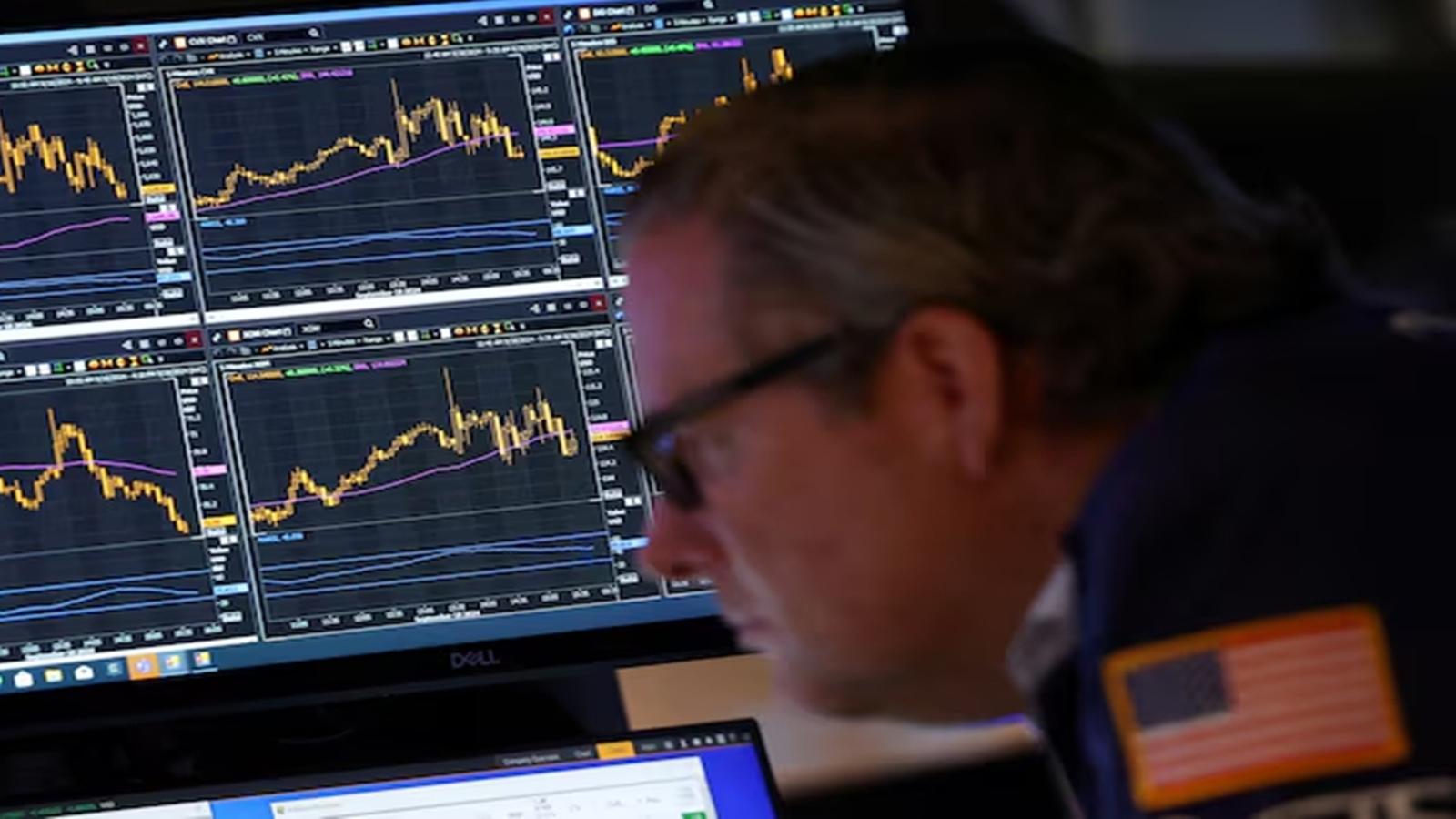
Technical indicators suggest that the current consolidation phase may lead to further declines. Analysis from independent trader Alan Tsagaraev highlights a “Falling Three Methods” candlestick pattern near the $4,007.83 support level, signaling persistent selling pressure. Market participants are now closely watching the release of June Consumer Price Index (CPI) and Producer Price Index (PPI) data to gauge the path of future monetary policy. While some analysts maintain a long-term bullish outlook for gold, the immediate horizon remains volatile, with price forecasts for July ranging between $3,365 and $4,236.