


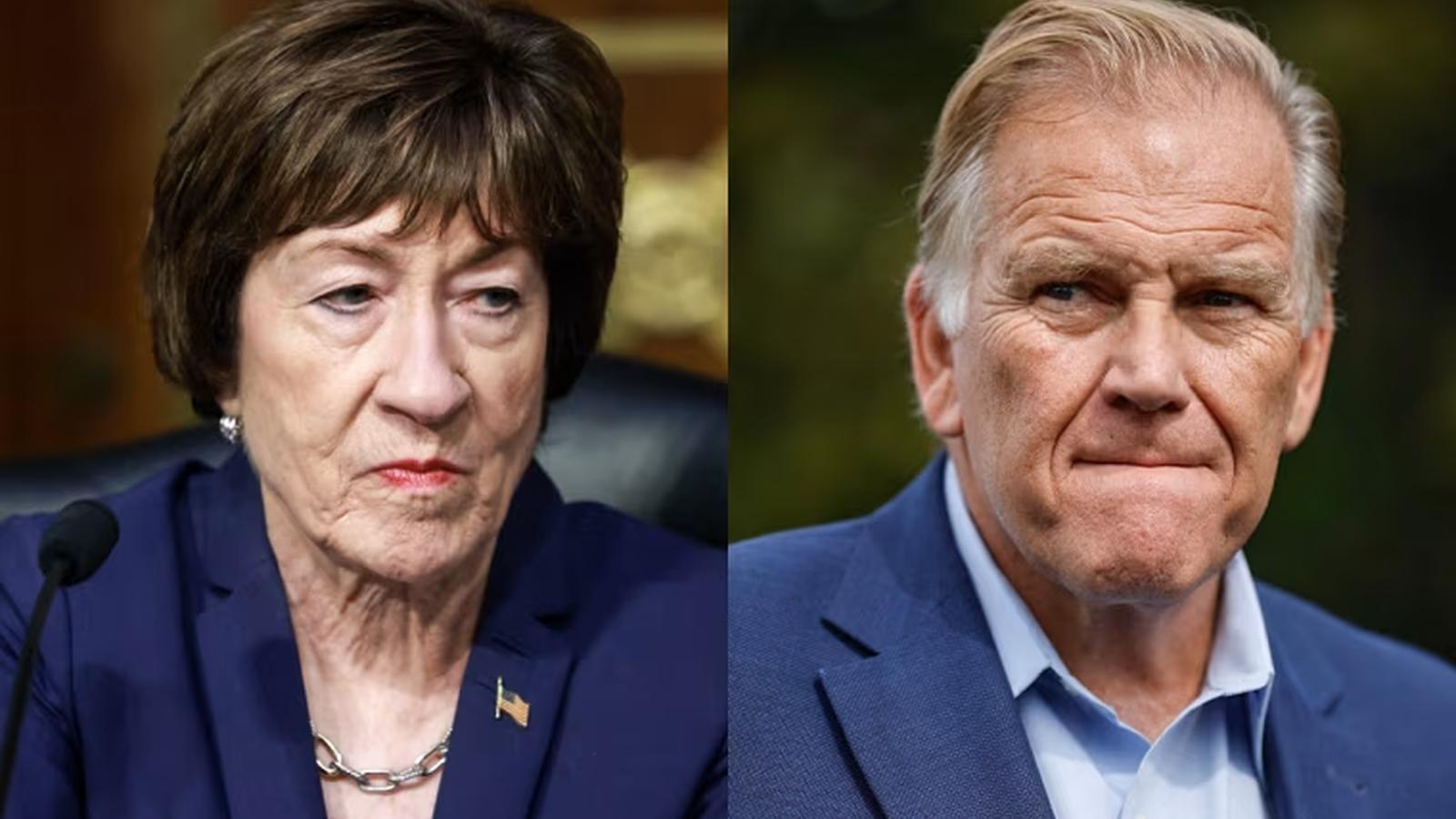
From Maine to Michigan, candidates caught in competitive districts are finding it harder to navigate the economic fallout of the administration’s aggressive trade maneuvers. President Trump’s ongoing trade war—particularly with Canada—has imposed a 50 percent tariff on a wide array of Canadian goods, alongside stringent import bans on alcohol and dairy products. For states along the northern border, where cross-border trade is deeply integrated into the local economy, these measures have created acute political friction.
High-Stakes Clashes in Northern Border States
In Maine, Republican Sen. Susan Collins found herself on the defensive during a televised debate against her Democratic opponent, logger and former state lawmaker Troy Jackson. As reported by Reason, Collins defended her record by pointing out that she successfully pressured the administration to exempt road salt and cement from the Canadian import tariffs.
Her opponent quickly capitalized on the narrow scope of those exemptions. “What about everything else? I mean, we can’t eat road salt,” Jackson retorted during the exchange, capturing the growing frustration among voters who are feeling the squeeze of elevated consumer prices.
Similarly, other prominent Republican figures in tight races are attempting to carve out a middle ground. In Michigan, former Rep. Mike Rogers and gubernatorial candidate Rep. John James have expressed doubts over the broader economic toll of the trade policies. According to NBC News, Collins and Rogers have stated that they directly appealed to Cabinet officials to secure exemptions or force a negotiated deal to roll back tariffs on specific regional supply chains.
Democratic Counter-Attacks and National Polling
Democratic challengers have seized on these efforts, arguing that minor exemptions do not offset the broader inflationary impact of the White House’s trade agenda. Opponents are framing the Republican split as a self-serving electoral maneuver in the final weeks of the campaign, designed to insulate vulnerable incumbents from voter anger over consumer prices.
The political vulnerability comes at a time when the national electorate remains deeply polarized. A recent NBC News polling average indicates that Americans are nearly evenly split on economic competence, with 39 percent preferring Democrats and 38 percent trusting Republicans to handle the economy. With margins razor-thin across battleground chambers, the handling of trade policy and living costs could prove decisive.
Strategic Realignments and Future Campaign Impact
As political groups shift resources and outside spending across competitive House and Senate districts, the debate over trade policy highlights a broader dilemma for the GOP. While base voters have historically backed protectionist measures, general election swing voters in industrial and border states are pushing back against the localized costs of trade conflicts.
Whether targeted carve-outs and public distancing will protect vulnerable incumbents from voter backlash remains one of the defining questions of the closing weeks of the midterm election cycle.
Reporting source: nbcnews.com.