


The Prohibition-Era Origins of a Mint Classic
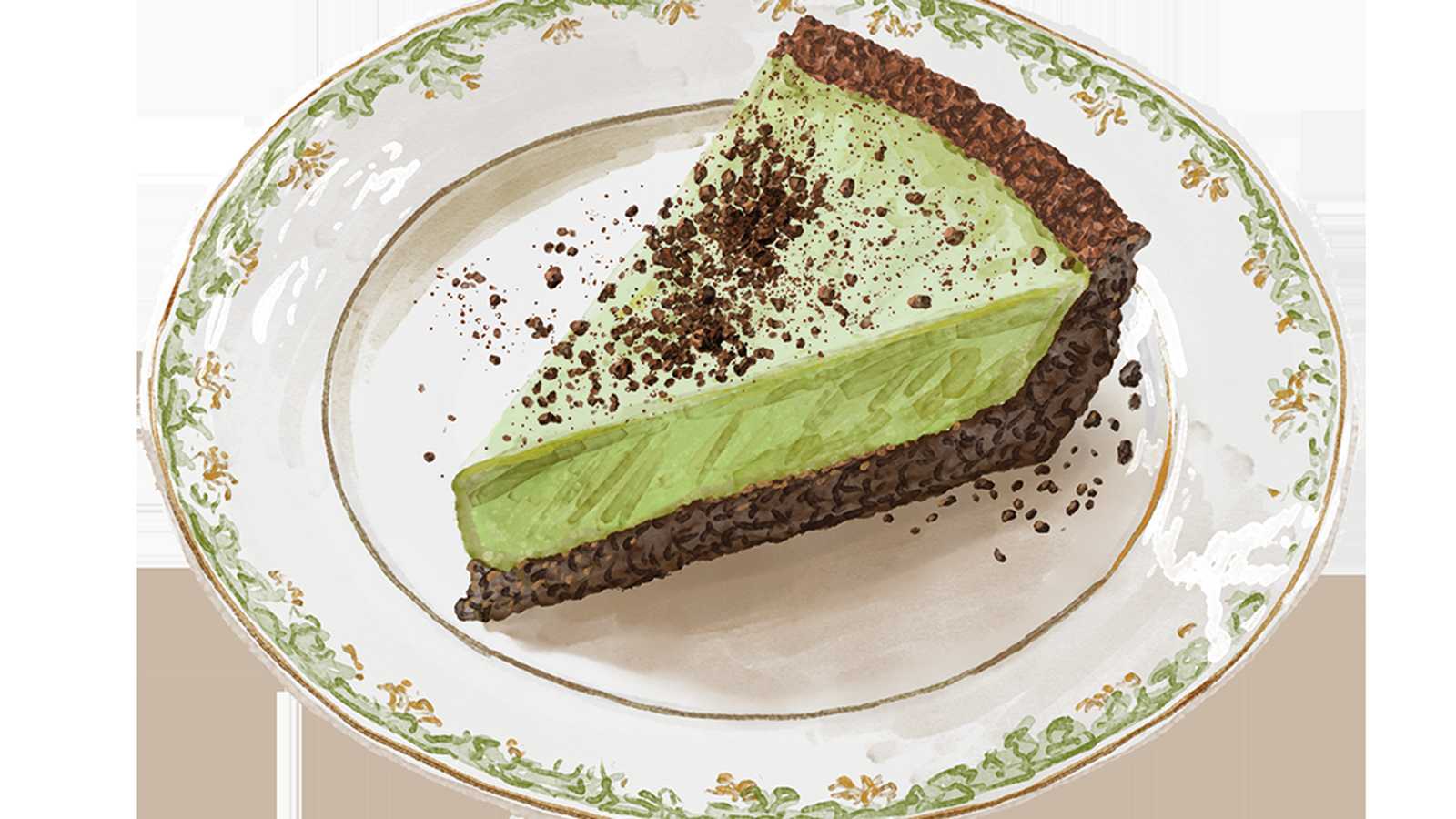
The Grasshopper pie is one of the most distinctive and visually striking mid-century desserts, defined by its pale green hue, rich mint flavor, and chocolate-cookie crust. However, its origins lie not in the home kitchens of the American suburbs, but in the pre-Prohibition bar scene of New Orleans. According to historical culinary records highlighted by The Spectator, the dessert is a direct adaptation of the Grasshopper cocktail, a sweet, creamy drink consisting of equal parts green crème de menthe, white crème de cacao (crème de cacao blanc), and heavy cream.
The cocktail’s creation is widely attributed to Philip Guchet, the owner of Tujague’s, a landmark restaurant located in the French Quarter of New Orleans. Guchet reportedly formulated the drink in 1918 for a prestigious cocktail competition in New York, where it secured second place. Despite its early 20th-century origins, the cocktail gained widespread national popularity in the decades following the repeal of Prohibition, eventually transitioning from the cocktail glass to the dessert plate as home refrigeration and convenience ingredients reshaped American dining habits.
The 1950s Chiffon Craze and the Marshmallow Hack
During the 1950s, the United States experienced a culinary boom centered on “no-bake” chiffon-style pies. These desserts were celebrated for their light, airy textures and modern appeal. While traditional chiffon pies relied on a complex and delicate combination of whipped egg whites (meringue) and gelatin to achieve structural stability, home bakers of the era developed an ingenious shortcut for the Grasshopper pie: melted marshmallows.
Marshmallows, which are essentially pre-stabilized mixtures of sugar, water, and gelatin, served as a foolproof emulsifier. When melted down in milk over low heat and folded into whipped heavy cream alongside the signature liqueurs, they created a filling that was soft, fluffy, and perfectly sliceable after a night in the refrigerator. This chemical “hack” bypassed the technical difficulties of tempering gelatin or raw egg whites, allowing home cooks to consistently produce a sophisticated dessert with minimal effort.
The Role of Ingredient Integrity and Modern Reinterpretations
The success of the Grasshopper pie relies heavily on the quality of its components. Historically, the crust is made from crushed Oreo cookies bound with melted butter, providing a dark, bitter cocoa contrast to the sweet, minty filling. However, as the recipe traveled internationally, regional ingredient availability often led to compromised versions. In countries like the United Kingdom during the late 20th century, where Oreo cookies were not yet widely distributed, bakers substituted local alternatives such as bourbon biscuits, which lacked the necessary dark cocoa intensity.
Furthermore, substituting genuine liqueurs with synthetic peppermint extracts and artificial green food coloring often resulted in a harsh, chemical taste reminiscent of mouthwash. Culinary experts emphasize that using authentic crème de menthe and crème de cacao blanc is vital. The alcohol and natural botanical oils in the spirits mellow significantly when combined with the marshmallow-cream base, yielding a balanced, sophisticated flavor profile rather than an overly sweet, synthetic confection.
The Standard Recipe and Assembly
To prepare an authentic Grasshopper pie, culinary specialists recommend a precise balance of texture and flavor. The crust requires approximately 10.5 ounces of Oreo cookies, finely processed and mixed with 2.3 ounces of melted salted butter, firmly pressed into a nine-inch tart tin and chilled. For the filling, 7 ounces of marshmallows are melted in 5 fluid ounces of whole milk over low heat. Once fully melted, 2 fluid ounces each of crème de cacao blanc and crème de menthe are stirred in, and the mixture is left to cool for ten minutes.
Meanwhile, 13.5 fluid ounces of heavy cream are whipped with a touch of green food coloring until soft peaks form. The cooled marshmallow and liqueur mixture is then gently folded into the cream. Bakers are cautioned not to overwhip the mixture, as excessive agitation can cause the heavy cream to split. The filling is piled high into the prepared cookie crust and refrigerated overnight to allow the gelatin in the marshmallows to set properly, resulting in a clean, sliceable dessert decorated with a dusting of reserved cookie crumbs.