


Policy Intervention in Higher Education
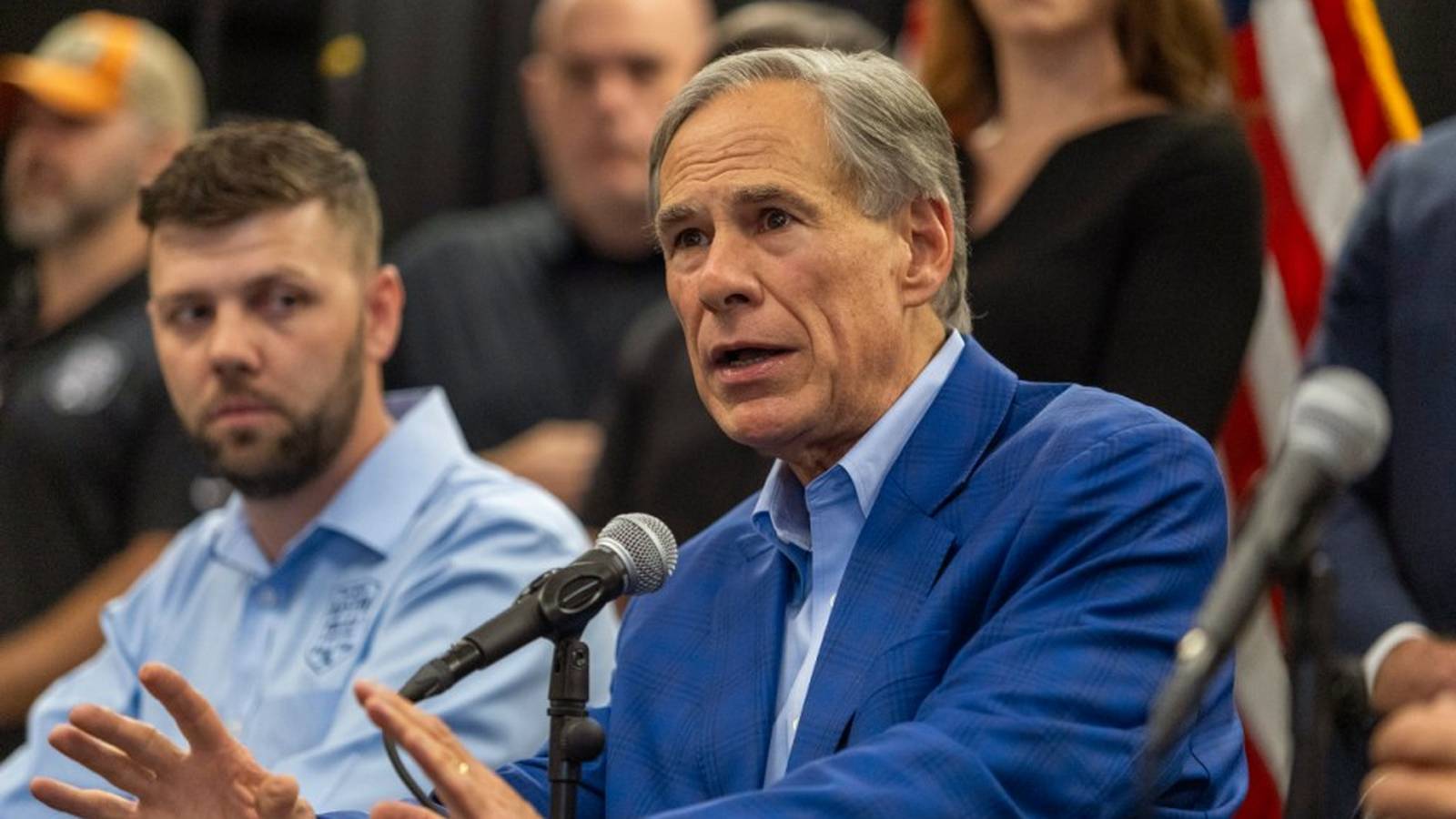
On May 27, 2026, Texas Governor Greg Abbott issued a formal directive to the presidents of all state-funded higher education institutions, mandating a freeze on undergraduate tuition and mandatory fees for the upcoming 2026-2027 academic year. This intervention, which extends a policy trajectory initiated in previous legislative cycles, arrives as university systems are finalizing their budgetary allocations for the fall semester.
The Governor’s directive is framed as a response to the financial pressures facing Texas families. In his correspondence to university leadership, Abbott emphasized that recent state-level fiscal commitments—specifically the $680 million allocated in 2023 for community college funding and $328 million in enhanced financial aid for the 2025-27 cycle—provide a sufficient foundation for institutions to maintain current revenue levels without passing cost increases onto the student body.
Institutional Budgetary Challenges
The mandate introduces a significant constraint on the operational flexibility of Texas university systems. While the freeze is intended to stabilize costs, major institutions have recently sought adjustments to non-academic fees to address specific service gaps. For instance, the University of Texas System regents had moved to increase fees for athletics, medical services, and student advising. Similarly, the Texas A&M University System examined adjustments to health and wellness fees at Tarleton State University, citing a critical need for expanded mental health resources following a rise in student crisis interventions.
The ambiguity regarding whether these non-academic fees fall under the Governor’s definition of “mandatory fees” creates a complex regulatory environment. Abbott’s letter does not explicitly distinguish between academic tuition and auxiliary service fees, leaving university administrators to navigate the potential loss of revenue streams intended for specialized student support services.
Political and Fiscal Stakes
This directive is not merely an administrative fiscal policy; it is a central element of the Governor’s broader political strategy as he enters a reelection cycle. By prioritizing the affordability of higher education, Abbott aligns his administration with populist economic concerns regarding inflation and the cost of living. This positioning is particularly salient given the current political climate in Texas, where candidates are increasingly scrutinized for their stance on kitchen-table economic issues.
The long-term sustainability of this freeze remains a point of contention. While the current mandate covers the 2026-27 year, the Governor has expressed intent to collaborate with the state legislature to codify or extend these constraints in future sessions. For public universities, this signals a shift toward a model where revenue growth is increasingly dependent on state appropriations rather than tuition indexing. The reliance on state funding, however, subjects university budgets to the cyclical nature of legislative priorities, potentially limiting long-term capital investment and facility expansion.
The imposition of a tuition freeze underscores the tension between the state’s role in ensuring educational accessibility and the autonomy of public university systems to manage their internal fiscal health. While the move provides immediate relief to students, the exclusion of non-academic fee adjustments may inadvertently constrain the ability of institutions to address urgent mental health and auxiliary service demands. As the state moves toward a more centralized fiscal oversight of higher education, the sustainability of this policy will likely depend on whether legislative appropriations can consistently offset the inflationary pressures that universities face in the current economic landscape.