


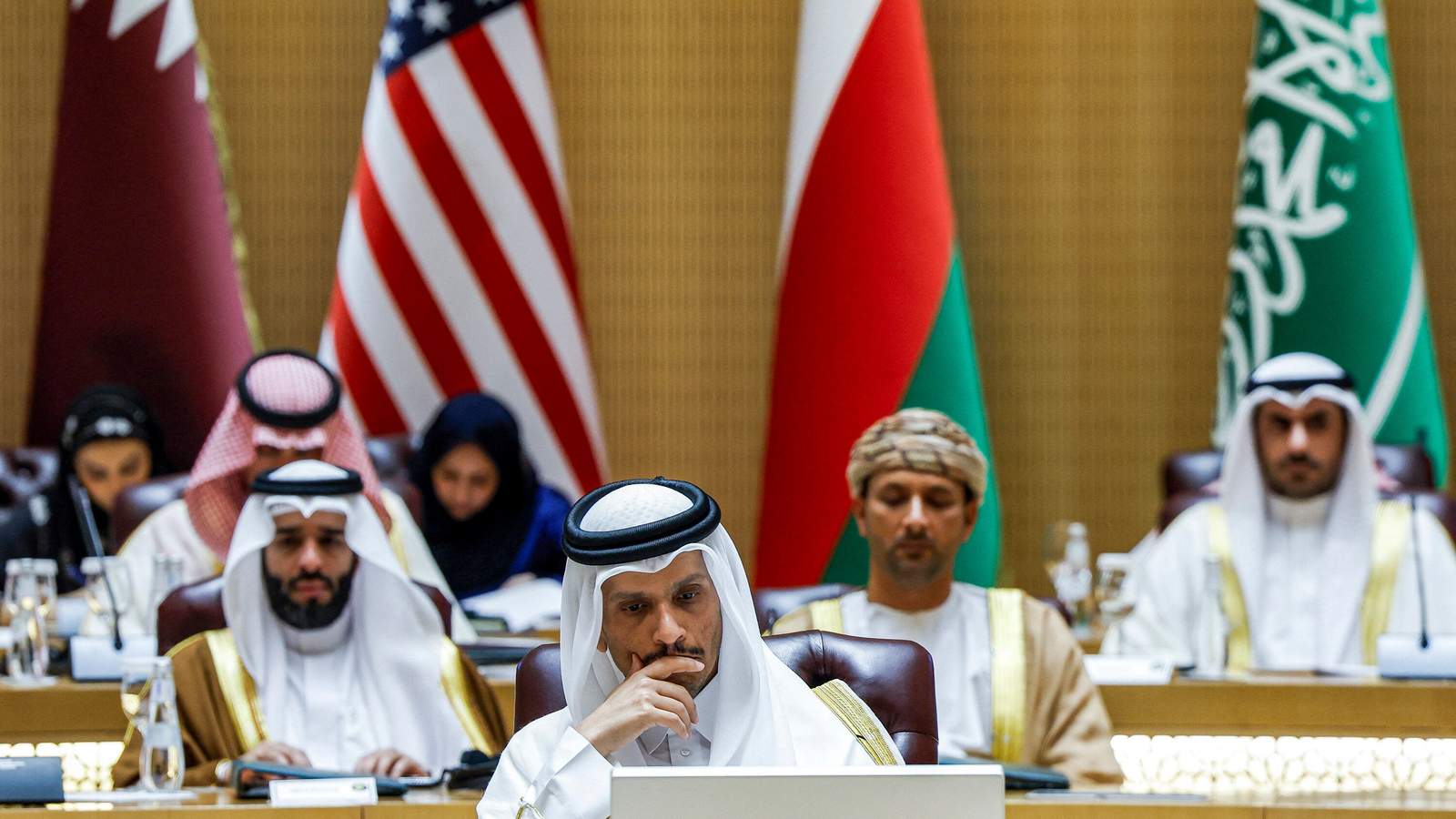
MANAMA, Bahrain (Azat TV) – Gulf Arab leaders are engaged in urgent, high-stakes diplomatic efforts led by Qatar to stave off an expected new wave of U.S. and Israeli military strikes on Iran following the U.S. midterm elections, according to reporting broadcast by NPR on November 1, 2026. Over the past 72 hours, Qatari mediators have held intense discussions, dispatching envoys to Tehran while simultaneously hosting an Iranian delegation in Doha. The frantic diplomatic push comes as the entire Persian Gulf region remains on edge, caught between the threat of renewed military escalation and the severe economic and security fallout that would follow.
The uncertainty surrounding Washington’s next moves has left regional governments scrambling. While President Donald Trump remarked during a Mar-a-Lago event that U.S. forces have already neutralized much of Iran’s military and nuclear infrastructure and noted that remaining sites could be handled swiftly, he did not explicitly rule out post-election military action. Senior European diplomats and Arab military generals in the region report that they have no definitive visibility on what decision the White House will ultimately make, even though millions of civilian lives and critical regional infrastructure depend on it.
The Contours of Qatari Mediation and Iranian Warnings
According to NPR, Iranian Foreign Minister Abbas Araghchi stated in Iranian state media that these mediation efforts have not yet reached a definitive conclusion. However, discussions have centered on a potential two-day de-escalation plan. Under this proposal, Iran would halt attacks on commercial shipping in the Strait of Hormuz to clear the path for direct talks to resume between Washington and Tehran. Despite these diplomatic channels, Iran’s leadership has signaled a hardline stance. Supreme Leader Mojtaba Khamenei warned senior armed forces commanders over the weekend that any renewed threat or attack from the U.S. or Israel would be met with an immediate response “without geographical limitations,” according to Iranian state media.
Eight months of sustained conflict and crippling U.S. economic sanctions have severely degraded Iran’s military capabilities, killing the country’s supreme leader and top commanders while damaging naval assets and missile production sites. Yet, these measures have failed to achieve Israel’s stated goal of toppling the regime. Furthermore, Iran’s Islamic Revolutionary Guard Corps retains significant asymmetric capability to inflict severe damage across the Gulf, home to some of the world’s most vital energy producers. Brent crude oil prices currently sit 60% higher than their pre-war baseline as a direct result of ongoing disruptions and threats to the Strait of Hormuz.
Vulnerabilities Across the Gulf Infrastructure
The physical realities of the eight-month war are visible across the region. In Bahrain, an island nation hosting the U.S. Navy’s 5th Fleet, logistics hubs and warehouses sustained direct hits from Iranian retaliatory strikes on February 28, reducing base personnel from roughly 8,000 to under a hundred. Speaking at the Manama Dialogue security forum, Bahraini Foreign Minister Abdullatif Al Zayani condemned ongoing Iranian drone and missile barrages targeting both military installations and civilian infrastructure. Al Zayani specifically warned that Iran’s Revolutionary Guard has threatened to target critical undersea internet cables traversing the Strait of Hormuz if hostilities resume, using shared digital arteries as a tool of economic and political coercion.
Similar vulnerabilities have affected neighboring states. The United Arab Emirates previously saw Amazon data centers struck during the peak of the conflict, while Saudi Arabia continues efforts to defend its airports and oil facilities from attacks launched by Iran-backed Houthi forces in Yemen. These security pressures have severely damaged the region’s reputation as a stable, secure haven for global investment and tourism.
Regional Pushback Against Military Escalation
During the Manama security forum, senior regional diplomats voiced strong opposition to further military action. Anwar Gargash, a senior Emirati diplomat representing a nation with traditionally hawkish policies toward Iran, emphasized that the crisis must be managed through political and diplomatic tools rather than military force. Gargash argued that further military solutions would only compound an already complex crisis and fail to provide a sustainable off-ramp.
As Gulf leaders weigh the high economic costs, rising energy markets, and direct threats to domestic security infrastructure, the consensus across Arab capitals is that any resumption of large-scale strikes will unleash devastating regional blowback.