


As leaders from across the British Commonwealth gather in Antigua and Barbuda for a high-stakes summit on November 2, 2026, Caribbean reparations campaigners are drawing fresh attention to a private British initiative. In debates dominated by calls for official apologies and financial redress from the UK government and the monarchy, advocates are highlighting the actions of the Trevelyan family, who travelled to Grenada in 2023 to issue a formal apology for their ancestors’ historical role in colonial slavery and established an educational fund.
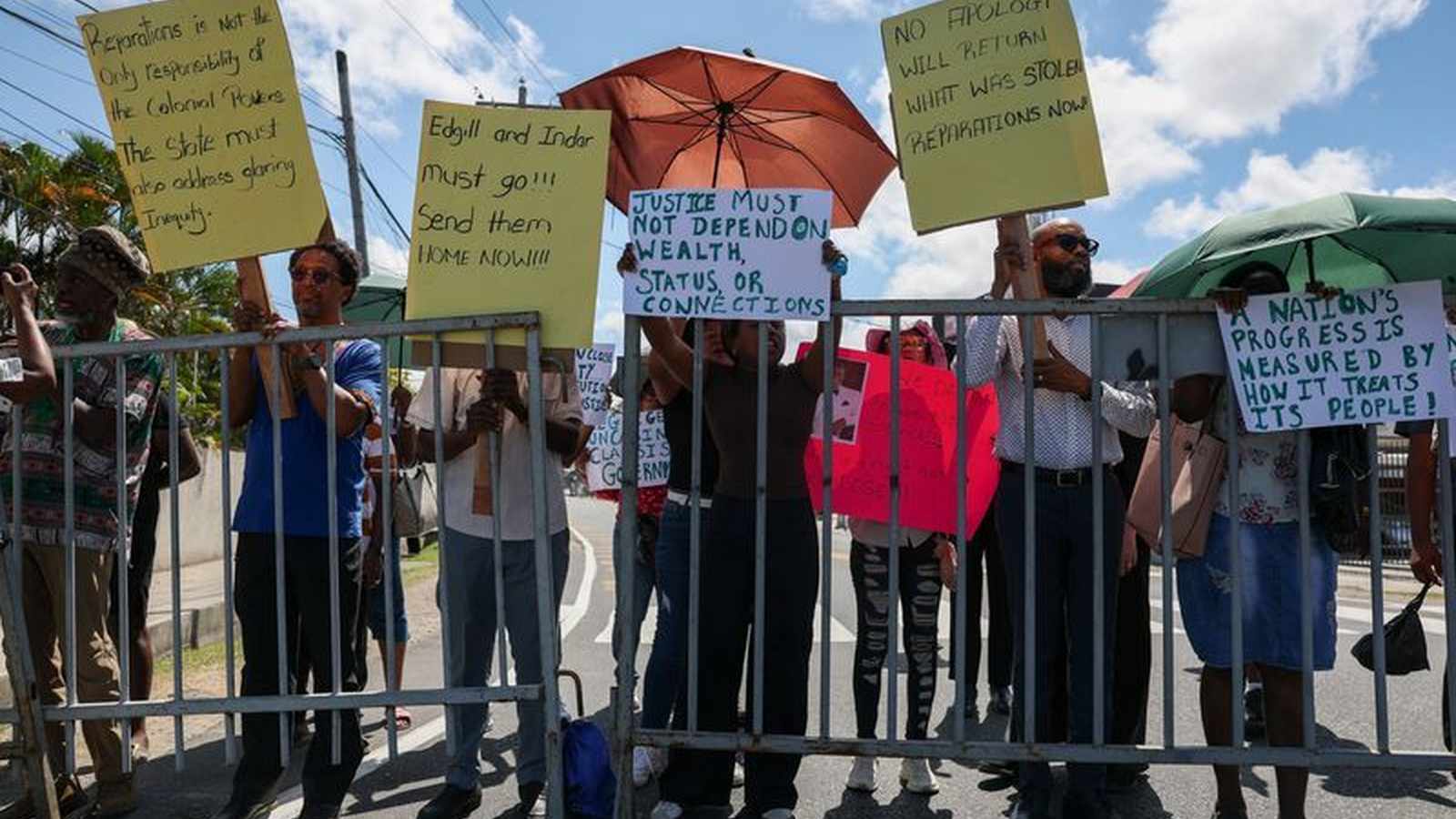
The case has resurfaced as King Charles III continues a high-profile Caribbean tour that included stops in the Bahamas and Guyana, where demonstrators pressed demands under banners reading "Pay us what you owe us." While Buckingham Palace maintains that decisions regarding formal apologies and state-level reparations rest with the government rather than the royal family, activists argue that private family redress demonstrates the practical feasibility of addressing historical harms.
The Trevelyan Model and Educational Support
When former BBC journalist Laura Trevelyan and her relatives visited Grenada in 2023, they pledged £100,000, equivalent to about $134,000, toward student bursaries and scholarships. According to data from the Grenada National Reparations Committee, cited by Internazionale, the fund has directly supported more than 50 students on the island through educational grants.
Nicole Philip, vice-chair of the Grenada National Reparations Committee, told Internazionale that the initiative exposes a clear institutional contrast. "If a family can come forward, apologise, and make reparations payments, why not the British government?" Philip said. "Why not the royal family?"
Campaigners emphasize that reparatory justice should extend far beyond symbolic gestures or monetary payouts to include sustained developmental assistance. Laura Trevelyan herself argued in interviews that Britain’s government could direct support toward climate-resilient infrastructure in the Caribbean, framing it as a practical method to address contemporary economic vulnerabilities rooted in colonial history.
Institutional Resistance and Legal Concerns
The ongoing push for systemic reparations collides directly with political and legal hesitation in London. Between the 15th and 19th centuries, Britain transported an estimated 3.2 million enslaved Africans across the Atlantic, according to records compiled by the Trans-Atlantic Slave Trade Database, powering plantation economies in colonies across the Caribbean.
When slavery was abolished across the British Empire in 1834, the imperial government allocated £20 million—calculated to equal roughly $23 billion in modern terms—to compensate slave owners under a political compromise, leaving the emancipated population without financial redress. Modern UK political figures have expressed caution regarding any reopening of historical liabilities. British Prime Minister Andy Burnham, attending the summit, wrote in The Guardian that while he is open to a formal apology, he believes modern citizens cannot be held legally or financially accountable for historic injustices committed under entirely different legal frameworks.
Legal and constitutional experts note that the monarchy and government fear that issuing an unreserved apology could trigger enforceable legal claims for compensation. Esther Stanford-Xosei, a reparations lawyer and expert who spoke to CBS News during previous royal tours, explained that admitting institutional liability could expose the Crown and state to immense financial demands and undermine the legal status of the institution.
The Commonwealth Summit Landscape
The discussions in Antigua and Barbuda place King Charles in a delicate diplomatic position. During his stop in the Bahamas, the monarch acknowledged the profound suffering of the past, stating that joyful aspects of modern Bahamian culture were born out of historical darkness. However, local leaders dismissed those remarks as insufficient. Dr. Niambi Hall Campbell-Dean, chair of the Bahamas National Reparations Committee, described the royal comments as "hollow platitudes" in remarks published by The Guardian and CBS News, asserting that Caribbean nations deserve concrete accountability rather than expressions of sorrow.