


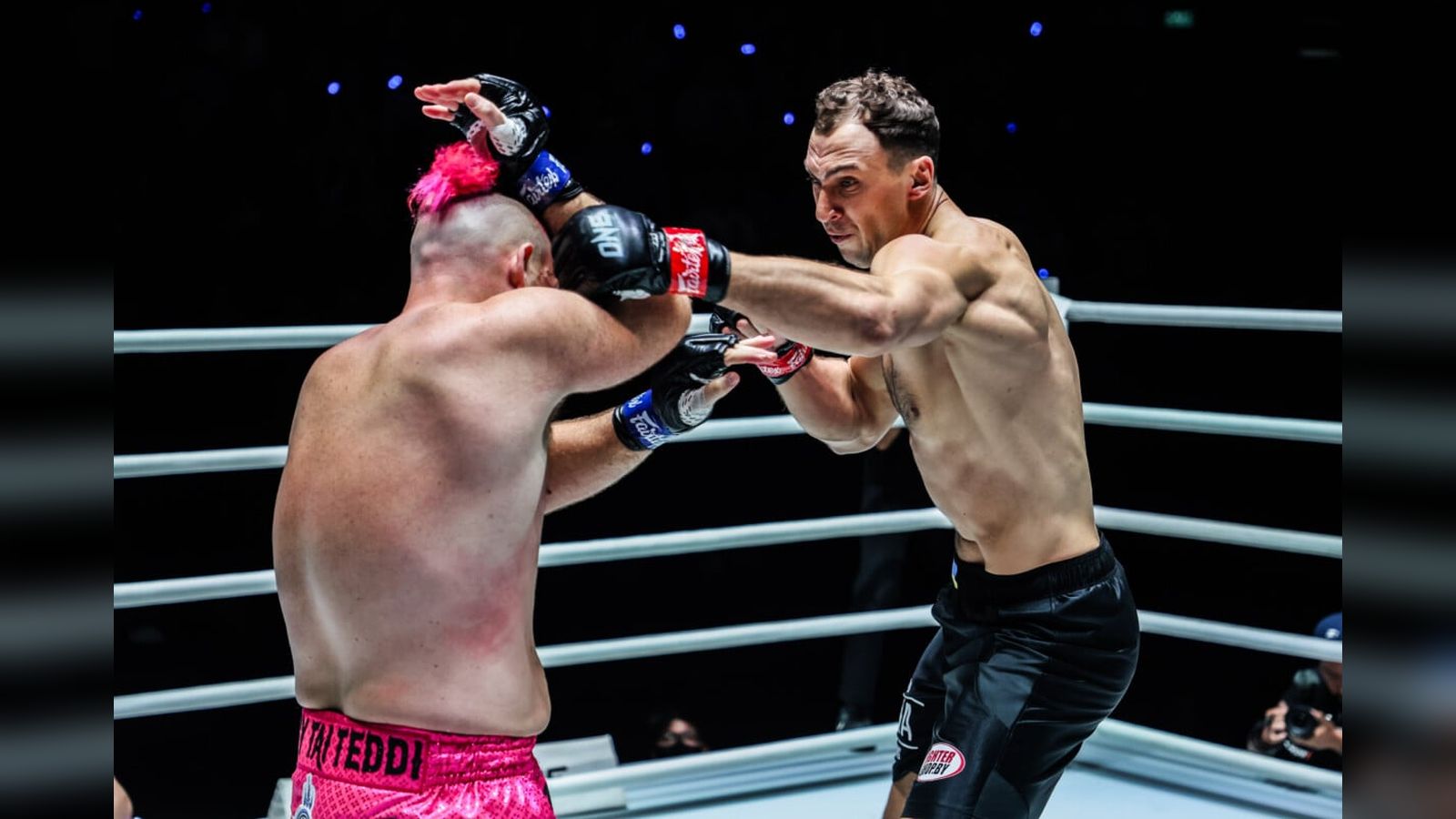
ORLANDO, Florida (Azat TV) – On Saturday, August 29, 2026, the newly debuted combat sports promotion Duel Arena hosted its inaugural event, Duel Arena 1, at the Kia Center in Orlando, Florida. The card, which mixed mixed martial arts (MMA), boxing, and kickboxing, featured a highly anticipated and deeply polarizing heavyweight kickboxing co-main event between controversial internet personality Paul “Gypsy Crusader” Miller and Ben “King” Azoulay. According to reports from Bloody Elbow and Yahoo Sports, the bout concluded with a split-decision victory for Miller, sparking intense online debate regarding the ethics, commercial appeal, and brand safety of hosting highly provocative figures in mainstream sports venues.
A Clash of Controversial Personas
The matchup between Miller and Azoulay was framed from the outset as a clash of online subcultures and provocative branding. Azoulay embraced the role of the heel for the Orlando crowd, making a dramatic entrance to the ring on a throne draped in an Israeli flag. This theatrical display was met with vocal hostility from a heavily pro-Miller crowd inside the Kia Center. Miller, known widely across social media platforms for his highly offensive and controversial online streams, stepped into the ring with a physical advantage, standing 6-foot-1 and weighing close to 200 pounds.
Unlike many internet personalities who transition into crossover boxing with zero athletic background, Miller possessed some documented experience in striking disciplines, including kickboxing and Muay Thai. Additionally, Miller had secured a professional boxing victory earlier in March 2026 under the Brand Risk Promotions banner. Azoulay, by contrast, had competed primarily on amateur influencer cards and lacked a comparable competitive record, making the matchup appear on paper to be heavily tilted in Miller’s favor.
Inside the Ring: Scorecards and Post-Fight Goading
The fight went the scheduled distance, revealing a striking disparity in how the action was perceived at ringside. Two of the officiating judges scored the contest 30-27 in favor of Miller, reflecting his superior striking accuracy and control of the ring. However, in a move that surprised commentators and spectators alike, a third judge submitted a scorecard of 29-28 in favor of Azoulay, resulting in a split-decision victory for Miller.
Immediately following the announcement of the decision, Miller used his post-fight interview to mock his opponent. He openly goaded Azoulay, calling him short and declaring that he was “not tough.” The post-fight exchange quickly went viral, fueling further engagement across social media platforms where both figures command significant, yet highly fractured, followings.
The Rise of Crossover Combat Spectacles
The co-main event was part of a larger, highly unconventional fight card designed to maximize online engagement through spectacle. While the main event featured a legitimate MMA bout between veteran fighters Mike Perry and Brandon Jenkins (who stepped in after Dillon Danis withdrew due to an arm injury), much of the undercard leaned heavily into “freak show” matchmaking. Notable bouts included a boxing match between former WWE performer Patrick Clark Jr. (known as “Velveteen Dream”) and Canadian social media personality Ryan Pownall, as well as an influencer boxing match between Jack Grady, a magician performing as “The Great Assdini,” and Wade Stokan, known as “The Juggler.”
This deliberate blending of legitimate professional athletes—such as former UFC heavyweights Jimi Manuwa and Chase Sherman—with internet personalities and stage performers highlights a growing trend in the combat sports industry. Promoters are increasingly prioritizing viral marketing, social media reach, and pay-per-view (PPV) metrics over traditional athletic rankings and sporting integrity.
Commercial Viability vs. Brand Risk
The inclusion of figures like Paul Miller raises critical questions regarding brand safety for corporate sponsors and major hosting venues like the Kia Center. Miller’s history of highly offensive online conduct has previously led to widespread deplatforming, yet combat sports promotions continue to offer him lucrative platforms. By capitalizing on the “hate-watch” dynamic, promotions like Duel Arena can generate substantial pay-per-view sales and digital impressions, though often at the cost of mainstream corporate credibility.
As crossover combat sports continue to mature, regulators, athletic commissions, and venue operators face ongoing pressure to define boundaries for these events. Whether the financial windfall of influencer-led “freak shows” can permanently sustain the long-term credibility of new promotions remains a central debate within the broader combat sports landscape.