


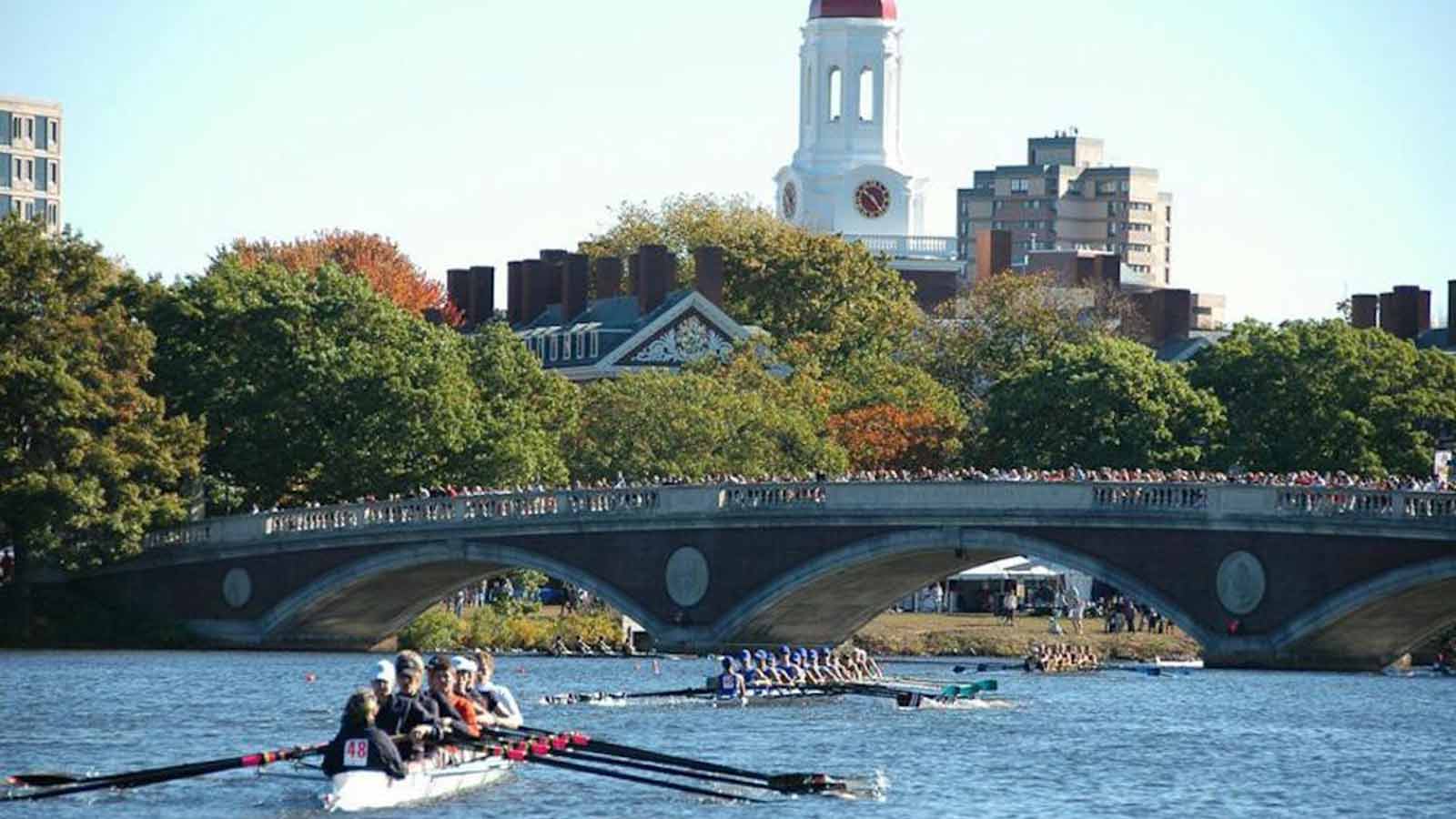
Global Crews Converge on Boston for the 60th Head of the Charles Regatta
Every October, thousands of rowers descend upon the banks of Boston’s Charles River, transforming the city into the epicenter of the international rowing world. The Head of the Charles Regatta (HOCR)—now marking its 60th anniversary—has evolved from a regional race into the largest two-day rowing event on the planet, drawing competitors from over 25 countries and captivating the attention of fans and alumni alike (WBUR).
This year’s regatta, running October 17-19, is more than just a test of speed and stamina; it’s a crossroads of tradition, aspiration, and the relentless pursuit of excellence. The river’s winding, unpredictable course offers both a challenge and a stage for stories of grit and unity.
Queensland’s Journey: From Brisbane’s Waters to Boston’s Challenge
Among the international crews making headlines is the Queensland rowing team from Australia. Months before the regatta, the team’s preparation began on home waters—the Brisbane River—where they honed their stroke rhythm and practiced race scenarios tailored to the quirks of Boston’s Charles River. The team’s coaches prioritized individual adaptability, knowing that New England’s weather and the river’s meandering path would demand more than just raw power.
But getting to Boston was no small feat. The journey involved intricate logistics: fundraising, travel arrangements, and the delicate task of shipping boats and equipment halfway across the globe. It was a collective effort, requiring the support of athletes, administrators, and the wider Australian rowing community.
Once in Boston, Queensland’s athletes wasted no time acclimating to local conditions. The Charles River, famed for its sharp bends and unpredictable flows, posed a challenge far removed from their familiar Australian waterways. Yet, the team’s experience in endurance racing—and their shared commitment to representing Australia with pride—helped them adapt quickly. For Queensland, the regatta is as much about learning and building connections with the global rowing community as it is about winning medals (Colitco).
Harvard and Radcliffe: Defending Legacy on Home Waters
For Boston’s collegiate crews, the Head of the Charles is more than a competition—it’s a homecoming. Harvard’s men’s teams and the Harvard-Radcliffe women’s crews approach the regatta steeped in tradition and the weight of history.
The Harvard-Radcliffe program, which famously retained the Radcliffe identity even after merging with Harvard athletics, is driven by a sense of legacy and responsibility. Lindsey Brail, co-captain of the heavyweight women’s team, speaks of honoring the trailblazers who fought for varsity status and paved the way for today’s athletes. That history inspires current rowers to pursue excellence both on the water and in the classroom.
The Radcliffe heavyweight and lightweight teams emphasize inclusivity, camaraderie, and leadership. Their routines go beyond physical training—race-day letters and alumni support foster unity and motivation. Weld Boathouse, nestled between the Anderson and Weeks Bridges, becomes a hub of energy, with alumni cheering from the docks and teams drawing strength from their collective heritage (emegypt.net).
Harvard’s men’s heavyweight squad, led by captain Ben Scott, leverages its deep roster to field multiple boats. Their season-long rivalry with Yale adds an extra layer of intensity, while the regatta provides a chance to measure progress against alumni and prepare for future challenges. The lightweight team, under captain Ben Lundie, is focused on defending its home advantage and pursuing a fourth consecutive victory—driven by hard work, integrity, and mutual encouragement.
Bucknell’s Women’s Crew: New Faces, New Goals
Not all stories at the Head of the Charles are about legacy; some are about forging new paths. Bucknell University’s women’s rowing team, led by Brookline native and head coach Katy Ruderman, brings a fresh perspective to the regatta. Ruderman’s roots in the area—and her leadership at Bucknell—underscore the event’s ability to unite communities and foster new ambitions.
On race day, Bucknell’s rowers join the global assembly, their focus set on teamwork, resilience, and the thrill of competing on one of rowing’s grandest stages (WBUR). Ruderman’s team, like many others, sees the regatta not just as a contest, but as a learning experience—a chance to test themselves against elite crews and bring new lessons home.
Australia’s Broader Presence: Building Reputation Abroad
Queensland is not alone in representing Australia. Crews from New South Wales and Western Australia also take part, reflecting the nation’s growing commitment to international competition. The Head of the Charles serves as both a proving ground and an ambassadorial mission: Australian teams showcase their discipline and sportsmanship, raising the profile of their sport at home and abroad.
For the athletes, the regatta is an opportunity to measure themselves against the world’s best, absorb new techniques, and build relationships that transcend borders. The logistical and financial hurdles—weeks of fundraising, planning, and teamwork—only add to the sense of accomplishment when the oars finally hit the water.
Community, Connection, and the Spirit of Rowing
At its core, the Head of the Charles is a celebration of community. On race days, the banks of the Charles River teem with supporters, alumni, and families. The cheers echo off the bridges, and the city itself seems to pulse with the energy of competition and camaraderie.
For many rowers, the event is a rite of passage—a moment to honor their predecessors, push personal boundaries, and create memories that last a lifetime. The regatta’s blend of tradition, rivalry, and international exchange makes it unique. Whether it’s the tight turns that test technique, the historic boathouses that evoke decades of stories, or the global mix of languages and colors, the Head of the Charles stands as a testament to the enduring spirit of the sport.
As the sun sets over Boston and the last races finish, what remains isn’t just the tally of wins and losses, but the bonds forged and the lessons learned on the river. Every crew, whether veteran or newcomer, leaves with a deeper understanding of what it means to chase excellence—together.
The 2025 Head of the Charles Regatta embodies the intersection of heritage, ambition, and global unity. From seasoned home teams defending their legacy to international crews crossing oceans, the event offers a powerful reminder that sport’s greatest victories are not always measured by medals, but by the collective pursuit of purpose, resilience, and connection.