


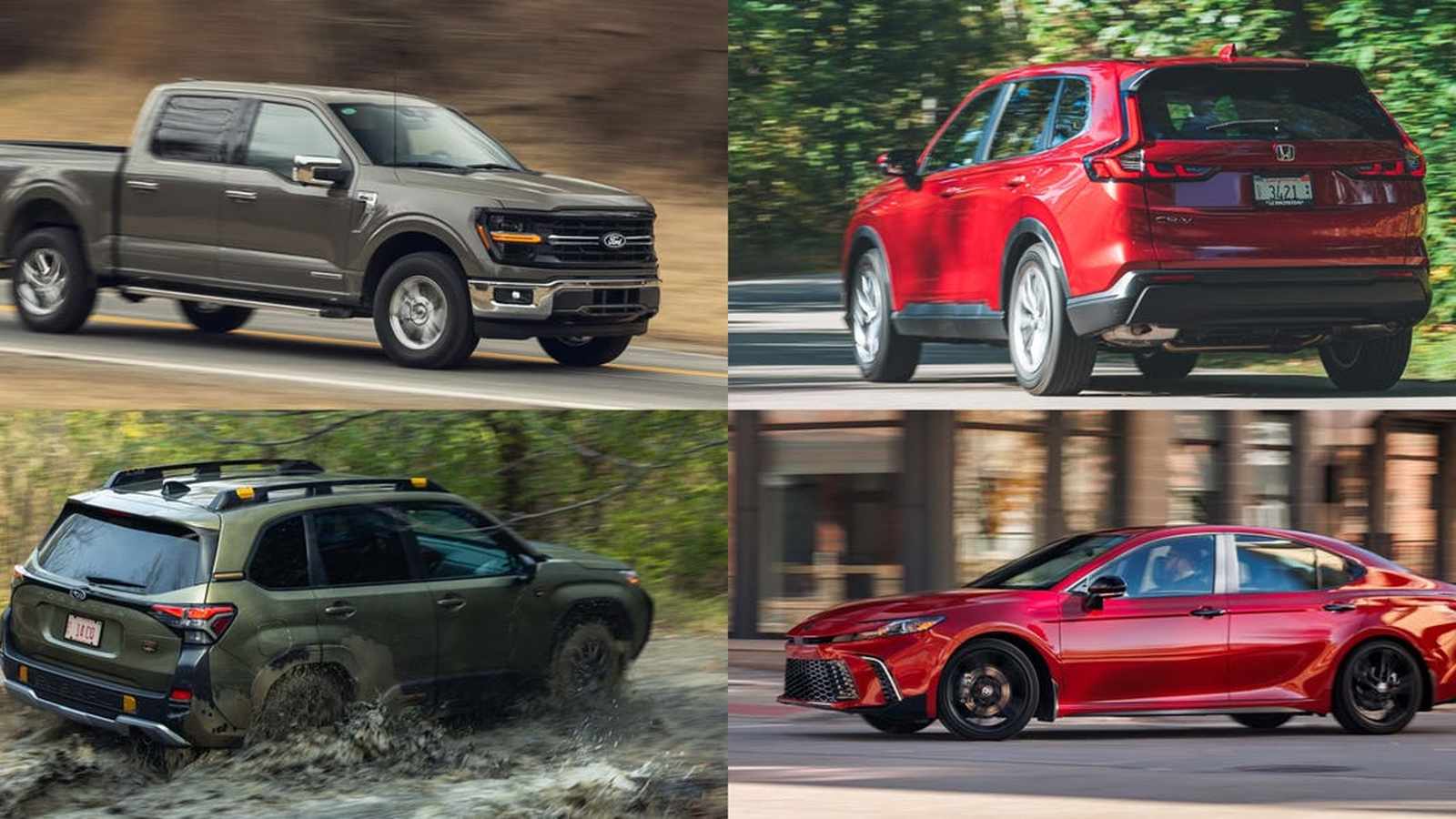
The U.S. automotive market in 2026 is seeing a significant shift in consumer preference toward fuel-efficient hybrid vehicles. According to data from Kelley Blue Book and analysis by Cox Automotive, while the overall new-vehicle market is expected to contract by 2.2%, hybrid vehicle sales are forecast to grow by approximately 9%.
This growth is largely attributed to elevated fuel prices and a strategic move by automakers to expand hybrid offerings. Many manufacturers are replacing traditional gasoline-only powertrains with hybrid alternatives, effectively normalizing the technology for mainstream buyers. In contrast, the electric vehicle (EV) segment, while stabilizing, continues to face challenges. Kelley Blue Book reports that 247,226 EVs were sold in the second quarter of 2026, marking a 14.7% increase from the first quarter. However, this volume remains 20.5% lower compared to the same period in 2025.
Despite the year-over-year decline, industry experts view the Q2 performance as a positive indicator. The rate of decline has slowed significantly compared to Q1, which saw a 27.3% drop, and Q4 2025, which saw a decline exceeding 36%. Tesla maintains its position as the market leader, commanding roughly half of all U.S. EV sales, primarily through its Model 3 and Model Y lines. Meanwhile, Toyota and Subaru have emerged as notable performers, both doubling their EV sales volume year-over-year.
Cox Automotive director of Industry Insights, Stephanie Valdez Streaty, noted that the future of EV adoption relies on bridging the gap between technological innovation and consumer needs. Success will depend on how effectively manufacturers address expectations regarding affordability, utility, and the overall ownership experience as the market moves past the post-incentive correction phase.