


A series of traffic disruptions along Highway 401, including a severe work-zone collision near Woodstock and a major hazardous material spill in Toronto, has underscored the ongoing operational hazards facing North America’s busiest commercial corridor. The incidents coincide with intense policy discussions across Ontario regarding long-term corridor safety, freight reliability, and ambitious provincial infrastructure proposals.
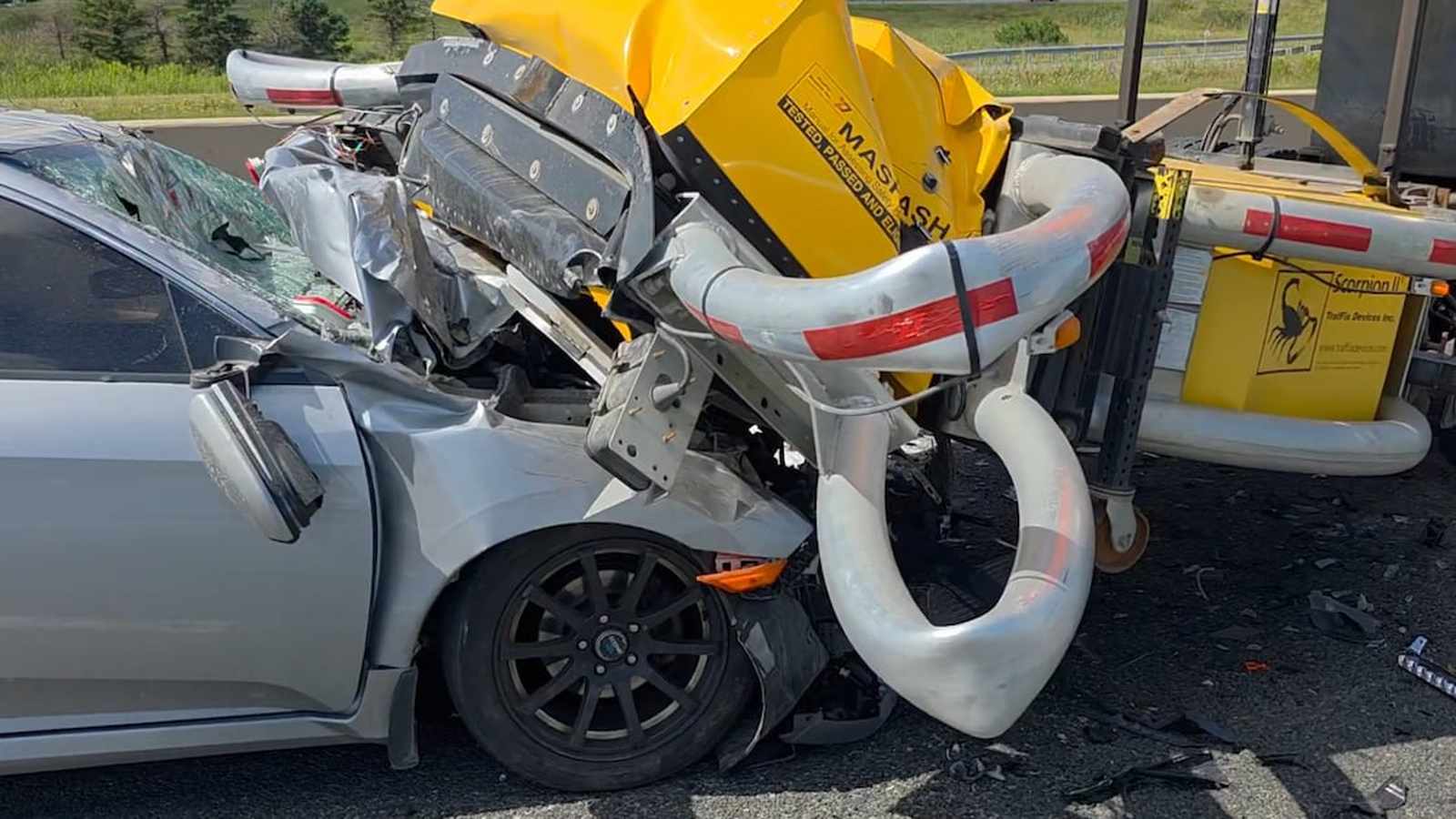
Emergency crews in Oxford County were dispatched to the eastbound lanes of Highway 401 near Towerline Road following a two-vehicle collision involving a passenger car and a specialized construction vehicle known as a crash truck. According to the Ontario Provincial Police (OPP), Oxford County Fire Services, and local paramedic units, the passenger vehicle collided directly with the heavy-duty vehicle, which was deployed to shield active maintenance workers. The impact attenuator mounted on the rear of the crash truck absorbed significant kinetic force; however, the sole occupant of the passenger vehicle sustained serious injuries and was hospitalized. The driver of the crash truck was also transported to the hospital for precautionary evaluation.
Hours apart, a separate incident disrupted westbound travel along Highway 401 in Toronto. A transport truck spilled liquid asphalt oil onto the roadway past Keele Street, forcing the OPP to divert collector traffic into express lanes and close major connections. Maintenance teams managed to clean the roadway and restore full lane access before 6:00 p.m., but the spill triggered extensive delays across the Greater Toronto Area transit grid.
Work Zone Safety and Heavy Commercial Risk
The collision near Woodstock draws fresh focus to safety protocols inside highway construction zones. Heavy attenuator trucks, often called crash trucks, are strategically positioned to protect road crews from oncoming traffic in high-speed zones. While these vehicles prevent fatal impacts for highway workers, collisions involving work-zone barriers remain a primary safety concern for provincial transportation authorities.
Transport officials note that high traffic density combined with speed variance on multi-lane arterials elevates the risk of rear-end impacts near active work sites. Police investigations into the Woodstock collision remain active, with authorities assessing whether speed, mechanical failure, or driver distraction contributed to the crash.
Infrastructure Strategy and the ‘Nation-Building’ Debate
The operational vulnerabilities of Highway 401 are unfolding against a broader political debate over Ontario’s long-term infrastructure policy. As the economic backbone of Central Canada, Highway 401 carries billions of dollars in commercial freight annually. Recurring closures and chronic congestion have prompted provincial leaders to champion major capacity upgrades, including controversial discussions around constructing a multi-billion-dollar transit tunnel beneath the existing corridor.
Proponents of large-scale infrastructure expansion frame the Highway 401 tunnel concept as a necessary ‘nation-building’ initiative aimed at bypassing suburban bottlenecks and safeguarding long-term supply chain efficiency. Conversely, urban planners and transportation economists question the fiscal viability and environmental impact of such megaprojects, arguing instead for targeted safety upgrades, expanded regional rail, and improved highway maintenance management.
Regulatory Oversight and Future Outlook
In response to recurring arterial blockages, the Ministry of Transportation of Ontario (MTO) and the OPP continue to review commercial safety enforcement and incident management protocols. Transport industry associations have highlighted the need for stricter adherence to speed limits in work zones and improved load containment for commercial haulers carrying hazardous liquids.
As police finalise their findings on the Woodstock collision and Toronto asphalt spill, provincial lawmakers face growing pressure to balance immediate highway safety enforcement with long-term infrastructure commitments along Canada’s busiest transit backbone.