


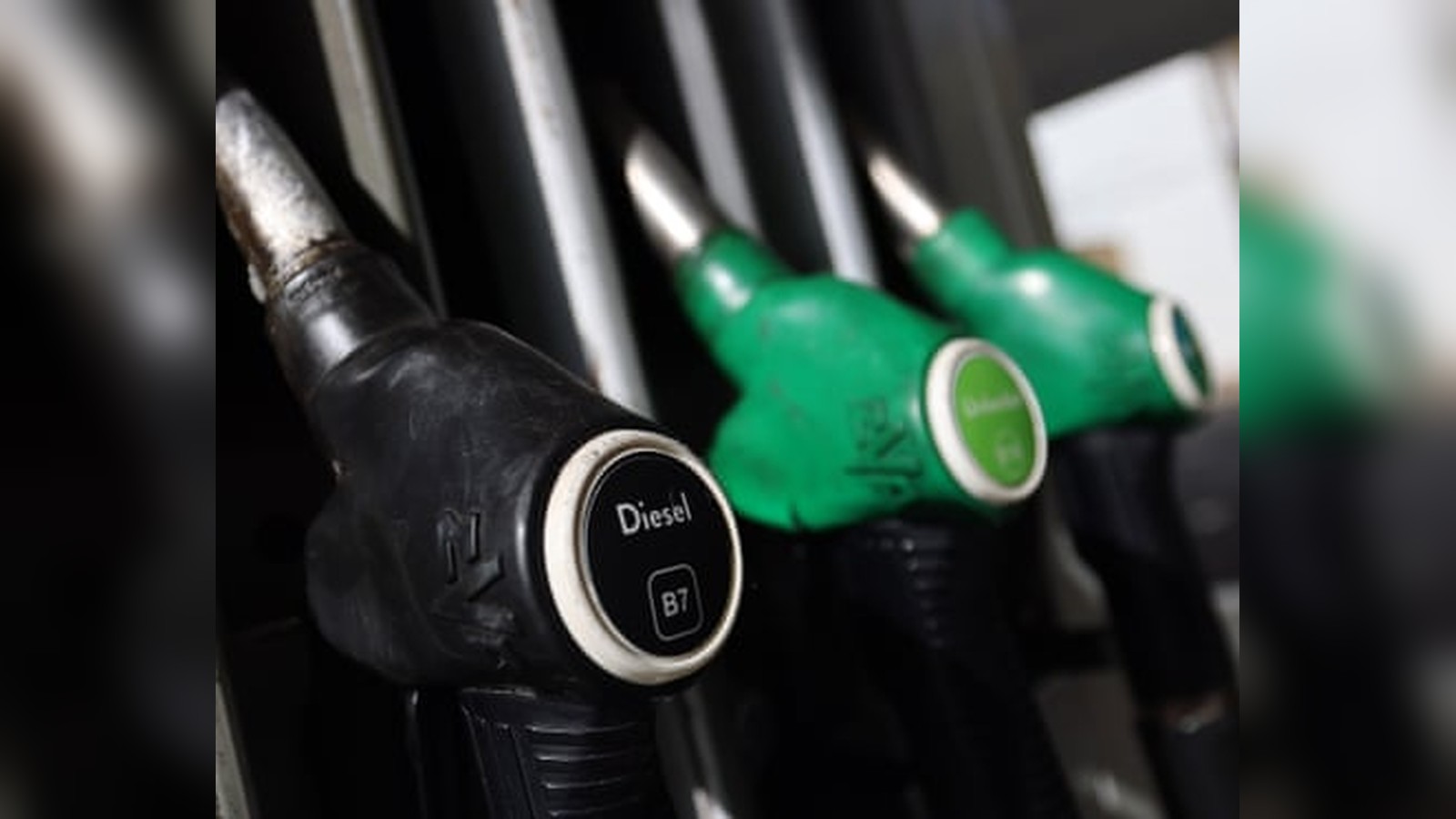
Emergency Cross-Border Talks Over Fuel Reserves
Britain and key European allies have initiated emergency talks regarding the potential release of strategic diesel stockpiles after the U.S. administration threatened a sweeping export ban on the fuel. According to reporting by The Guardian, ministers held urgent telephone discussions with counterparts from the European Commission, Germany, France, Italy, and Ireland. The diplomatic scramble follows pressure from Washington, which urged European capitals to draw down their reserves to ease soaring global energy prices or face an immediate American export restriction.
The warning marks a significant escalation in transatlantic energy tensions. According to Politico, European capitals have agreed on an assertive yet de-escalatory response, with U.S. Energy Secretary Chris Wright requesting the release of 120 million barrels of diesel over a six-month period—a volume accounting for more than a third of the EU’s total reserves of the critical transport fuel.
Soaring Pump Prices and Domestic Supply Pressures
The geopolitical friction has collided with severe supply disruptions stemming from the ongoing conflict in Iran and the Strait of Hormuz blockade, alongside Ukrainian drone strikes on Russian oil refineries that prompted Moscow to extend its own diesel export ban. Brent crude surged above $101 a barrel on Thursday, compared with approximately $72 in February before the Middle East conflict intensified.
In the United Kingdom, the disruption triggered immediate market anxiety. The motoring body RAC reported that the average price of a litre of diesel in the UK hit an all-time high of 199.72p, with thousands of forecourts charging more than £2 a litre, as noted by The Independent. While European nations domestically refine roughly 70% of their consumed diesel, the UK relies on the United States for approximately a third of its imported fuel, holding roughly 42 days’ worth of emergency stockpiles.
Balancing Market Relief and Winter Security
Releasing major national reserves presents a delicate policy dilemma for European governments. Policymakers must weigh the immediate necessity of lowering domestic fuel prices against maintaining robust stockpiles to safeguard against a worsening energy crisis during the winter months if the war in Iran persists. Elizabeth de Jong, chief executive of industry group Fuels Industry UK, emphasized that the crisis demonstrates Britain’s vulnerability in relying heavily on overseas production for energy security.
As diplomatic channels remain open, UK Chancellor John Healey confirmed that discussions are ongoing with American officials to avert a crippling export cutoff, while British Energy Secretary Miatta Fahnbulleh has directly raised domestic concerns with U.S. counterparts.