


Deadly Airport Strike Escalates Regional Conflict
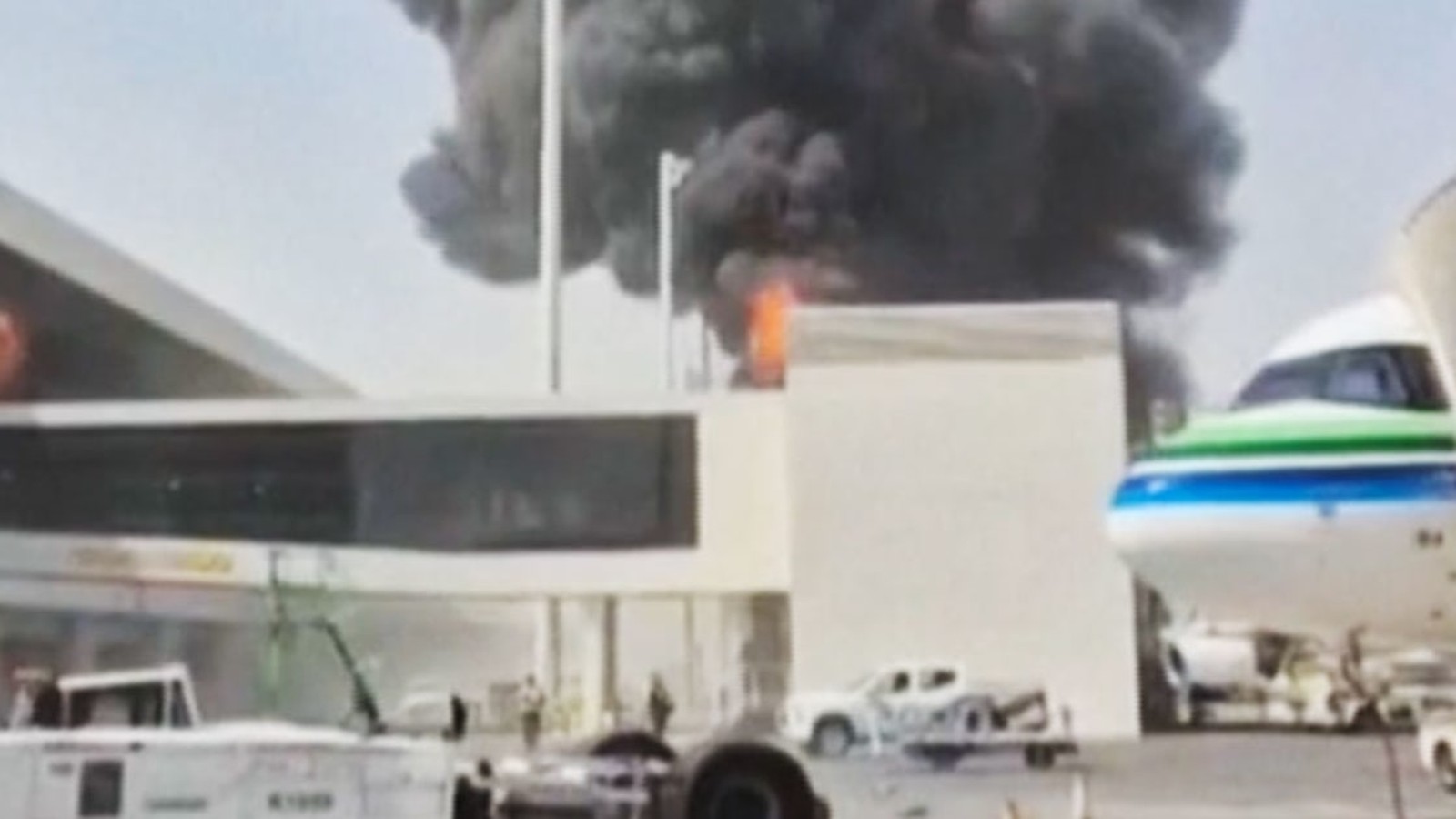
Three Saudi citizens were killed Thursday when an Iran-backed Houthi missile struck Riyadh’s main aviation hub, King Khalid International Airport, marking a dramatic and dangerous expansion of the ongoing regional conflict. According to live reporting from CBS News, the lethal strike claimed the life of a Saudia Airlines captain among others, transforming a heavily fortified civilian capital into an active theater of war. The escalation follows a major military offensive launched last weekend by Saudi Arabia and its coalition allies against Houthi-held territory in Yemen, intensifying the overspill of the broader confrontation.
In the wake of the attack, the Houthis issued aggressive statements challenging Saudi sovereignty over national airspace. Brig. Gen. Yahya Saree, a spokesman for the group, declared that humanitarian flights to and from Riyadh’s airport would henceforth require authorization from the rebels’ Humanitarian Operations Coordination Center in Sanaa. The rebel faction warned international carriers that operating in Saudi skies remains unsafe as long as military operations in Yemen continue.
Global Aviation Confidence Plummets Amid Airspace Warnings
The strike on King Khalid International Airport has triggered immediate retaliatory security postures and global travel warnings. Western governments have moved quickly to reassess the safety of civilian transit in the kingdom. The United Kingdom, France, Germany, Australia, and Canada have all updated their travel advisories, strongly discouraging or barring non-essential travel to parts of Saudi Arabia, including the Riyadh region and southern provinces near the Yemeni border.
United States diplomatic and military missions have similarly tightened precautions, requiring special authorization for government employees using Riyadh’s airport and barring travel within twenty miles of the border. Commercial aviation confidence has plummeted as carriers grapple with intercepted projectiles and falling debris, raising insurance and operational costs across Middle Eastern corridors.
Concurrently, the geopolitical friction has rippled through global energy markets. While Brent crude prices eased slightly following statements from U.S. President Donald Trump ruling out preemptive strikes before upcoming midterm elections, diesel and petroleum logistics remain under severe strain. The international energy framework faces additional pressure as Iran’s Revolutionary Guard maintains its blockade stance in the Strait of Hormuz, compounding maritime and aviation supply chain vulnerabilities.
Institutional Stakes and Strategic Realignment
The direct targeting of a premier international airport represents a strategic threshold for the Saudi-led coalition, testing regional air defense architectures and testing the international community’s resolve. European Union leaders, including European Commission President Ursula von der Leyen, have sharply condemned the attack, demanding that Iranian-backed proxies cease their destabilizing campaigns.
As Yemeni government forces backed by Saudi air support claim control over strategic choke points like the Bab el-Mandeb Strait, the risk of protracted multi-front warfare remains high. Regulators, energy traders, and international carriers now face difficult calculations regarding the long-term viability of transit routes through the Arabian Peninsula, with immediate operational adjustments expected across global logistics networks.
Deepening Supply Chain Disruptions and Regional Dynamics
The operational fallout from the airport strike extends well beyond passenger aviation, directly impacting regional security pacts and vital logistics arteries. Analysts note that the trilateral security framework involving Saudi Arabia, Turkey, and Pakistan has been thrust into sharper focus, with Pakistani foreign ministry officials confirming that a substantial number of defensive forces remain stationed within the kingdom. These deployments are calibrated strictly for territorial defense rather than cross-border offensive maneuvers, underscoring the defensive posture adopted by Riyadh’s allies as threat vectors multiply.
Concurrently, European authorities and aviation regulators have acted decisively to protect civilian assets. The European Union Aviation Safety Agency issued an updated bulletin emphasizing that recent missile deployments demonstrate both the capability and intent of Houthi forces to strike targets deep within Saudi territory. Consequently, major international carriers, including Lufthansa and Air India, suspended their scheduled rotations to Riyadh, compounding the geographical isolation of the capital’s primary transit node.
On the maritime front, the congestion and security risks surrounding critical bottlenecks have added a compounding layer of economic stress. While tanker traffic through the Strait of Hormuz is receiving U.S. naval escorts along alternate coastal routes, dozens of Iranian vessels remain stranded near international waters, unable to return home amid mounting logistical gridlock. The intersection of blocked maritime lanes, constrained diesel supplies, and targeted civilian aviation infrastructure illustrates a comprehensive systemic challenge for global markets. Energy ministers across Western economies continue to weigh emergency reserve releases to stabilize volatile fuel markets, even as political leaders navigate delicate electoral cycles and ongoing diplomatic maneuvers.
Ultimately, the transition of Saudi Arabia’s principal aviation hubs into contested operational zones forces a permanent reassessment of risk management among multinational enterprises. As military campaigns in Yemen grind forward and proxy networks test the limits of regional air defense batteries, the international community faces a protracted period of volatility where commercial transit routes and civilian populations remain directly exposed to the friction of overarching geopolitical contests.