


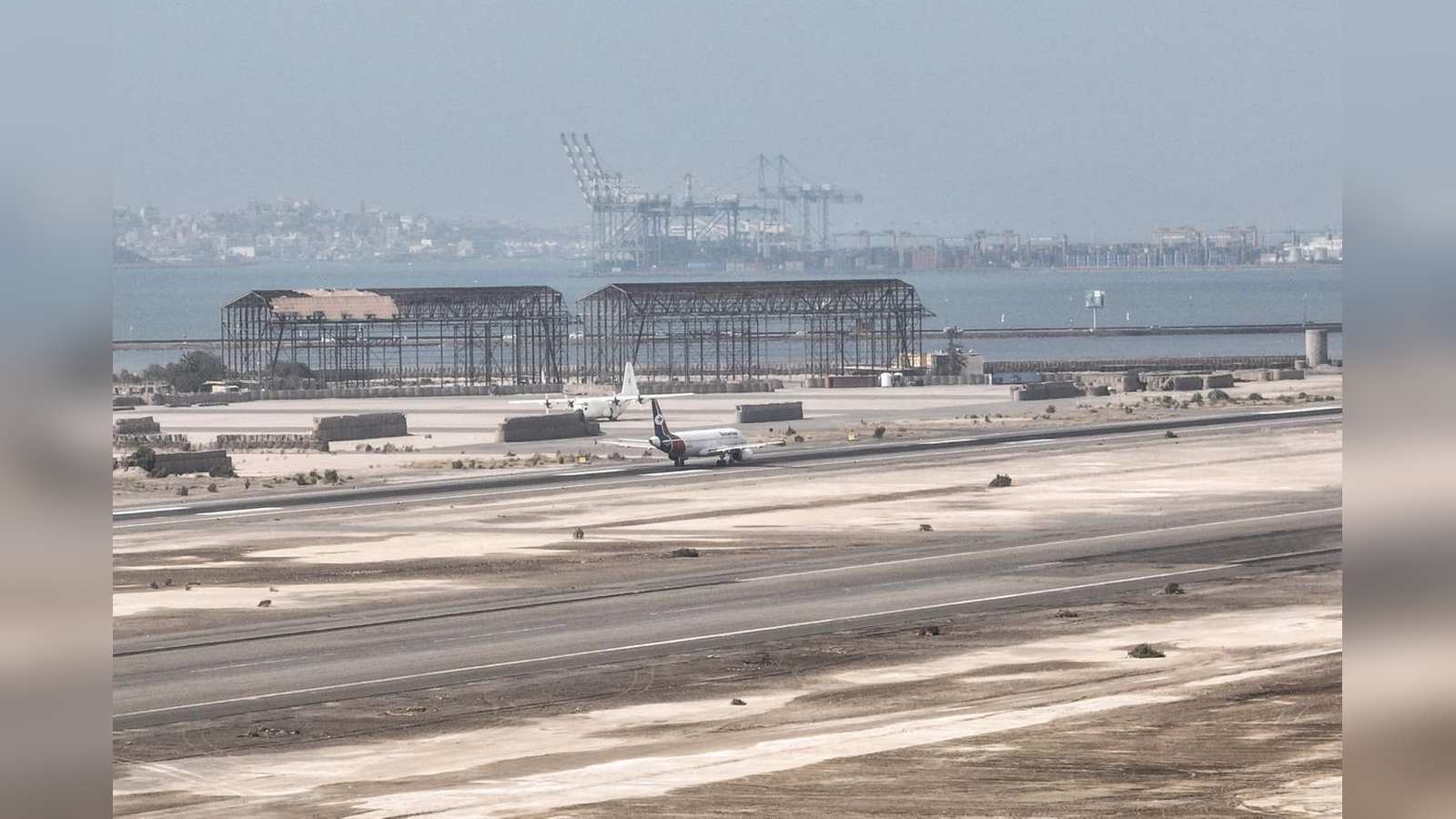
Yemen’s Iran-backed Houthi movement carried out a strike on Aden International Airport on Wednesday, October 28, 2026, following an immediate evacuation warning issued by military spokesman Yahya Saree. The official Türkiye Today report noted that Saree alleged the facility was housing a Saudi military cargo plane transporting weapons, prompting the group to demand an immediate clearance of the area. The attack on the key southern transport and humanitarian lifeline has further fractured a fragile regional security landscape that has deteriorated rapidly since the collapse of Yemen’s 2022 truce.
The strike on Aden’s aviation hub compounds a series of escalating military confrontations across Yemen, which BBC reporting contextualizes within broader multi-front hostilities. The incident follows heavy fighting along the Red Sea coast and around Taiz as Saudi-backed government forces push to reclaim territory near the strategic Bab al-Mandeb Strait. According to local and regional reporting, the airport attack disrupted operations at the primary international gateway remaining under the control of Yemen’s internationally recognized government.
Escalation Triggers and Infrastructure Vulnerability
The collapse of the July 2022 informal ceasefire has unleashed a renewed wave of cross-border and domestic strikes. The truce began to unravel after the Houthis permitted an Iranian plane to land in the capital, Sanaa, defying Saudi airspace controls and triggering retaliatory air campaigns. In response, the Houthis declared a maritime blockade against Saudi Arabia, initiating missile and drone attacks targeting Saudi infrastructure, oil facilities, and airports, alongside a rapid territorial advance along Yemen’s south-western coast.
Aden International Airport has repeatedly found itself in the crosshairs of this renewed conflict. Yemeni transport ministry figures show that ballistic missiles and drones have targeted the facility multiple times, forcing flight diversions to Jeddah and emergency terminal evacuations. The latest evacuation warning and subsequent strike underscore the extreme vulnerability of vital transport corridors as the local civil war becomes increasingly enmeshed in broader regional flashpoints involving regional powers and international shipping lanes.
Humanitarian Toll and Strategic Stakes
The widening conflict continues to exact a heavy toll on civilian infrastructure and humanitarian operations. While aid sources confirmed no immediate casualties at the airport following prior departures of United Nations personnel, concurrent Saudi airstrikes in al-Jawf province reportedly resulted in significant civilian deaths and injuries. The overlapping campaigns reflect a high-stakes struggle for territorial control that threatens to deepen one of the world’s most severe humanitarian crises, leaving millions dependent on uninterrupted aid flows that remain perpetually endangered by active combat.
Amid these developments, diplomatic channels face immense pressure. Separate mediation efforts, including initiatives by Qatar aimed at addressing wider regional conflicts involving Iran, unfold against a backdrop of hardened military postures. In Yemen, ground clashes near Taiz and maritime friction near the Bab al-Mandeb Strait continue to challenge the prospects of de-escalation. International organizations, including the International Organization for Migration and various humanitarian agencies, have emphasized that maintaining unhindered access to Aden International Airport remains essential for sustaining relief operations across southern and central regions.
As regional stakeholders weigh military and diplomatic responses, the structural risks facing critical civil infrastructure remain pronounced. The repetition of ultimatums followed by direct kinetic action against transport hubs highlights the acute dangers confronting non-combatants and aid personnel alike. Observers note that without a renewed framework for cessation of hostilities, the integration of Yemen’s localized conflict with broader Middle Eastern flashpoints will continue to amplify operational hazards for international aviation and humanitarian logistics throughout the country.