


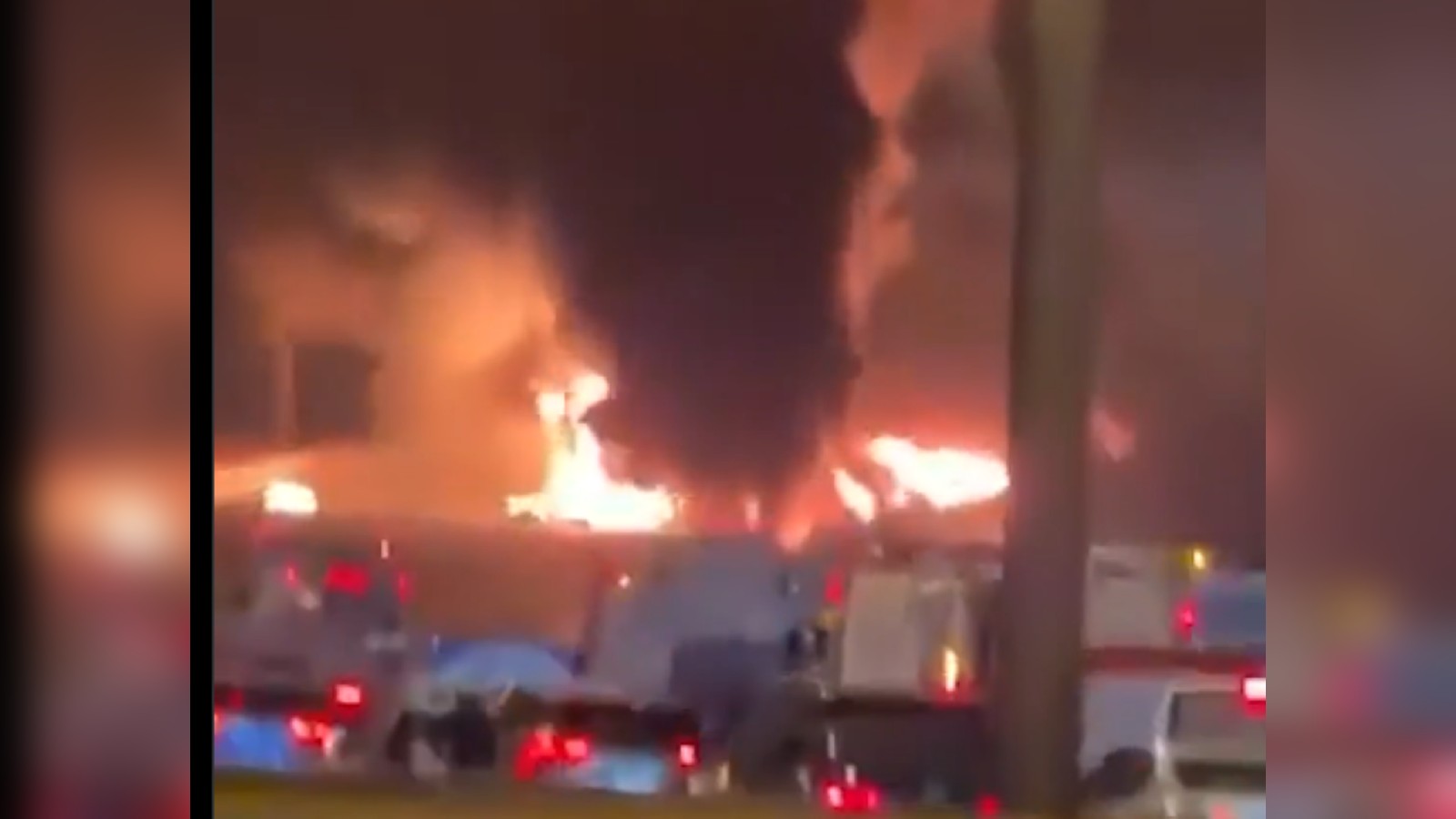
The renewed attack comes as Yemen’s Houthi movement claimed responsibility for multiple operations targeting the capital’s aviation hub since Saturday. According to CBS News, Houthi military spokesperson Brig. Gen. Yahya Saree stated on Telegram that the actions were retaliation for coalition airstrikes in Yemen. In response to the escalating threat, Saudi authorities kept Riyadh’s airport closed and shifted schools in the capital to online learning until the end of the week.
Casualties and International Toll
The initial Saturday strike marked one of the deadliest attacks on Saudi soil in over a decade. The Saudi civil aviation authority confirmed that the 12 fatalities included four Saudi citizens, two Bangladeshi nationals, a Palestinian, a U.S. citizen, an Egyptian, a Jordanian, a Syrian, and a Sudanese national. Hospitals across the capital treated 309 injured individuals, with several in critical condition.
Among the victims was 28-year-old Egyptian flight attendant Azza Ramzy, who worked for Saudi airline Flynas. Additionally, the Indian Embassy in Saudi Arabia announced on Sunday that an Indian national injured in the October 10 attack had succumbed to their wounds, bringing further international dimensions to the tragedy.
Wider Regional Escalation and Threats
The surge in strikes against Saudi infrastructure—including oil installations and other airports—follows a major military offensive launched by a Saudi-led coalition against Houthi forces in Yemen five weeks ago. The Houthis warned airlines, workers, and travelers to avoid Saudi airspace entirely, declaring all airports except those in Mecca and Medina to be legitimate military targets.
Flight tracking services such as Flightradar24 reported significant flight diversions as major global carriers and governments, including the United States, Britain, Germany, Australia, and Canada, issued travel advisories warning citizens to steer clear of Saudi airports.
Diplomatic Reactions and U.S. Response
The strikes drew widespread international condemnation. U.N. Secretary-General António Guterres and European Commission President Ursula von der Leyen both condemned the violence, warning that the attacks by Iran-aligned proxies risk destabilizing crucial global transport and energy nodes. U.S. Secretary of State Marco Rubio strongly condemned the strike on King Khalid International Airport, while President Donald Trump stated he was considering whether the United States should join Saudi retaliatory strikes against the Houthi rebels, a move that could significantly deepen American military involvement in the region.