


Federal Indictment Details Coordinated Deception
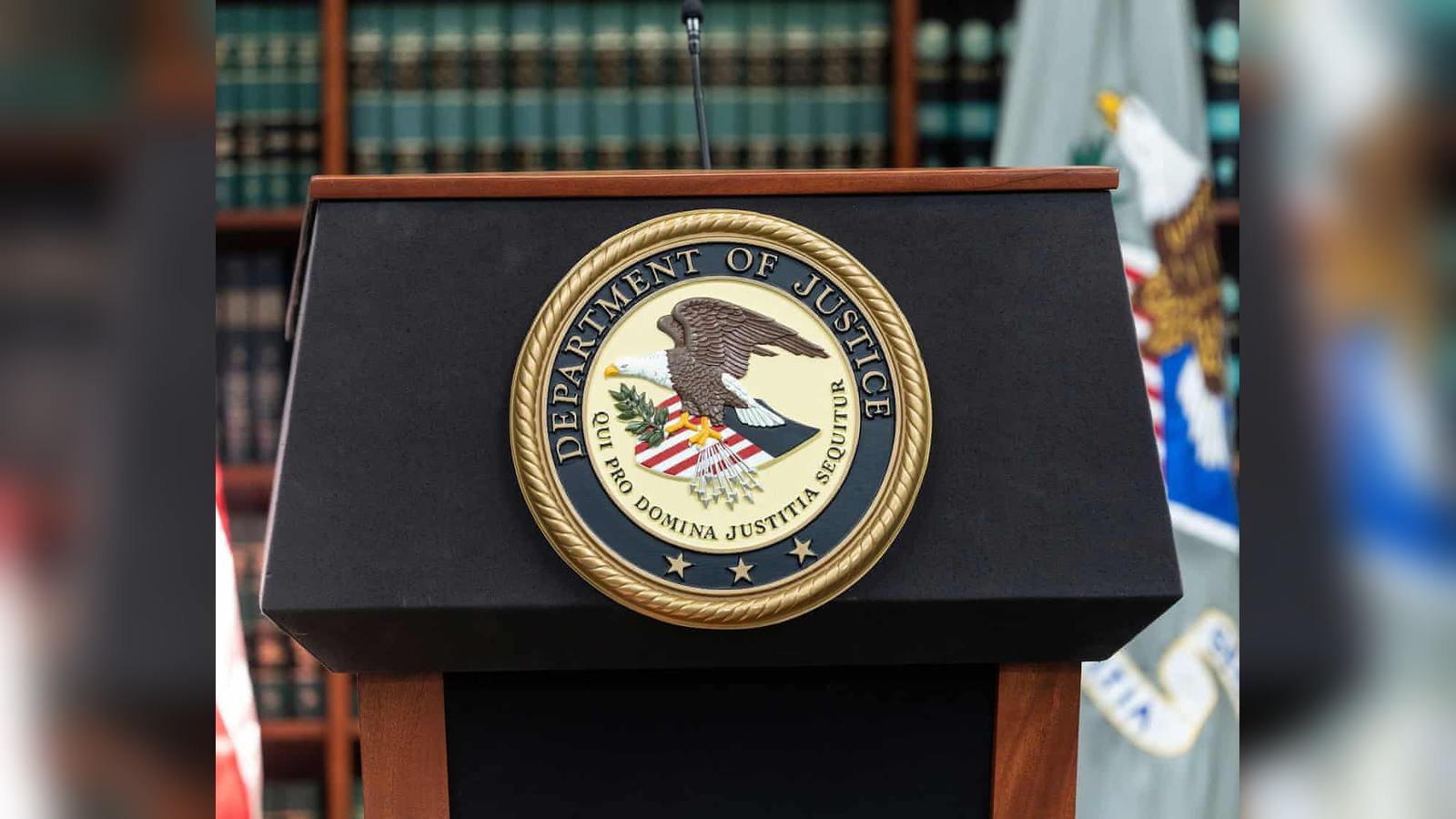
A federal grand jury has formally indicted two New Jersey women in connection with an elaborate and calculated scheme to stage a violent, politically motivated hate crime. Natalie Greene, 27, of Ocean City, and Anamaria Moe, 25, of Atlantic City, now face multiple serious federal charges, including conspiracy to convey false statements and hoaxes, according to the U.S. Attorney’s Office for the District of New Jersey, as reported by The Guardian. The legal development marks a significant progression in a case that initially shocked the local political community when it was first reported in the summer of 2025.
The incident, which took place on July 23, 2025, involved a meticulously planned but ultimately false report of a physical assault at a nature preserve in Egg Harbor Township. Prosecutors allege that Greene, a former staffer for U.S. Representative Jeff Van Drew, conspired with Moe to create the appearance of a targeted attack. The indictment details a chilling sequence of events where Greene paid a professional scarification artist in Pennsylvania to inflict intentional lacerations on her face, neck, chest, and shoulder. While Greene was undergoing this procedure, Moe allegedly placed a 911 call claiming they had been accosted by three armed men who specifically referenced Greene’s political employment as a justification for the violence.
Evidence of Staged Injuries and False Reporting
When law enforcement responded to the scene on the night of the incident, they discovered Greene bound with black zip ties, with her shirt pulled over her head in a manner designed to elicit immediate sympathy and alarm. According to NBC News, the subsequent investigation revealed that the injuries were not the result of an assault by political adversaries but had been deliberately performed by a professional scarification artist. Furthermore, investigators found that offensive messages such as “TRUMP WHORE” and political statements targeting Rep. Van Drew had been written on Greene’s body to bolster the narrative of a partisan hate crime, turning the victim’s own body into a prop for the staged event.
The federal investigation systematically dismantled these claims through physical and digital evidence. Authorities recovered black zip ties from Greene’s Maserati on the night of the incident that matched those used to bind her at the scene. Furthermore, digital forensics proved to be the undoing of the conspirators; investigators determined that two days prior to the incident, a mobile phone belonging to Moe had been used to search for “zip ties near me.” This evidence suggested a premeditated effort to acquire the materials necessary to carry out the hoax. Greene even went as far as to repeat her false claims to an FBI agent days after receiving medical treatment, demonstrating a persistent effort to validate the deception.
Legal Consequences and Institutional Impact
Each of the charged counts carries a maximum penalty of five years in federal prison, a $250,000 fine, and three years of supervised release. The case highlights the severe legal and social consequences of fabricating hate crimes, which divert significant law enforcement resources and undermine the credibility of actual victims of political violence. By manufacturing a narrative of political persecution, the defendants forced state and federal agencies to dedicate precious time and taxpayer funds to a non-existent threat.
Following the initial allegations in 2025, a spokesperson for Rep. Jeff Van Drew stated that Greene was no longer associated with his office. While the Congressman expressed sympathy at the time of the event, the subsequent indictment confirms that the incident was a manufactured deception rather than a genuine security threat. Greene was released on a $200,000 unsecured bond following her initial court appearance before U.S. Magistrate Judge Elizabeth A. Pascal, while Moe made her initial appearance in federal court in Camden. The legal proceedings continue to move forward, as the government prepares to hold both women accountable for their roles in the conspiracy. The case serves as a stark reminder that the legal system is equipped to investigate and prosecute those who weaponize political tension for personal or ideological gain, regardless of the complexity of the staged narrative.
Throughout the investigative process, the defendants maintained a facade of victimization that garnered attention from both the media and political circles. However, the accumulation of evidence—from the specific search history on Moe’s device to the physical recovery of the zip ties—paints a clear picture of a coordinated effort to mislead authorities. The indictment stands as a testament to the thoroughness of the FBI and local law enforcement in verifying claims of criminal violence. As the case proceeds toward trial, the focus will likely remain on the timeline of the conspiracy and the specific motivations that drove two individuals to involve the state in such a dangerous and deceitful charade. The broader community is left to grapple with the reality that the fear generated by the initial reports of the attack was entirely manufactured, casting a long shadow over the discourse surrounding political safety and the integrity of reporting hate crimes in the United States.
The prosecution’s ability to trace the scarification artist and link the physical evidence to the defendants underscores the high level of scrutiny applied to such high-profile reports. As the legal system continues its work, the indictment serves as a definitive closure to the question of whether the 2025 attack was genuine. With the charges now formalized, the focus shifts to the upcoming court proceedings where the full extent of the conspiracy will be presented to a jury. The severity of the potential penalties reflects the gravity with which the Department of Justice views the obstruction of justice and the filing of false reports, particularly when those reports are crafted to exploit sensitive political divisions in the public sphere.