


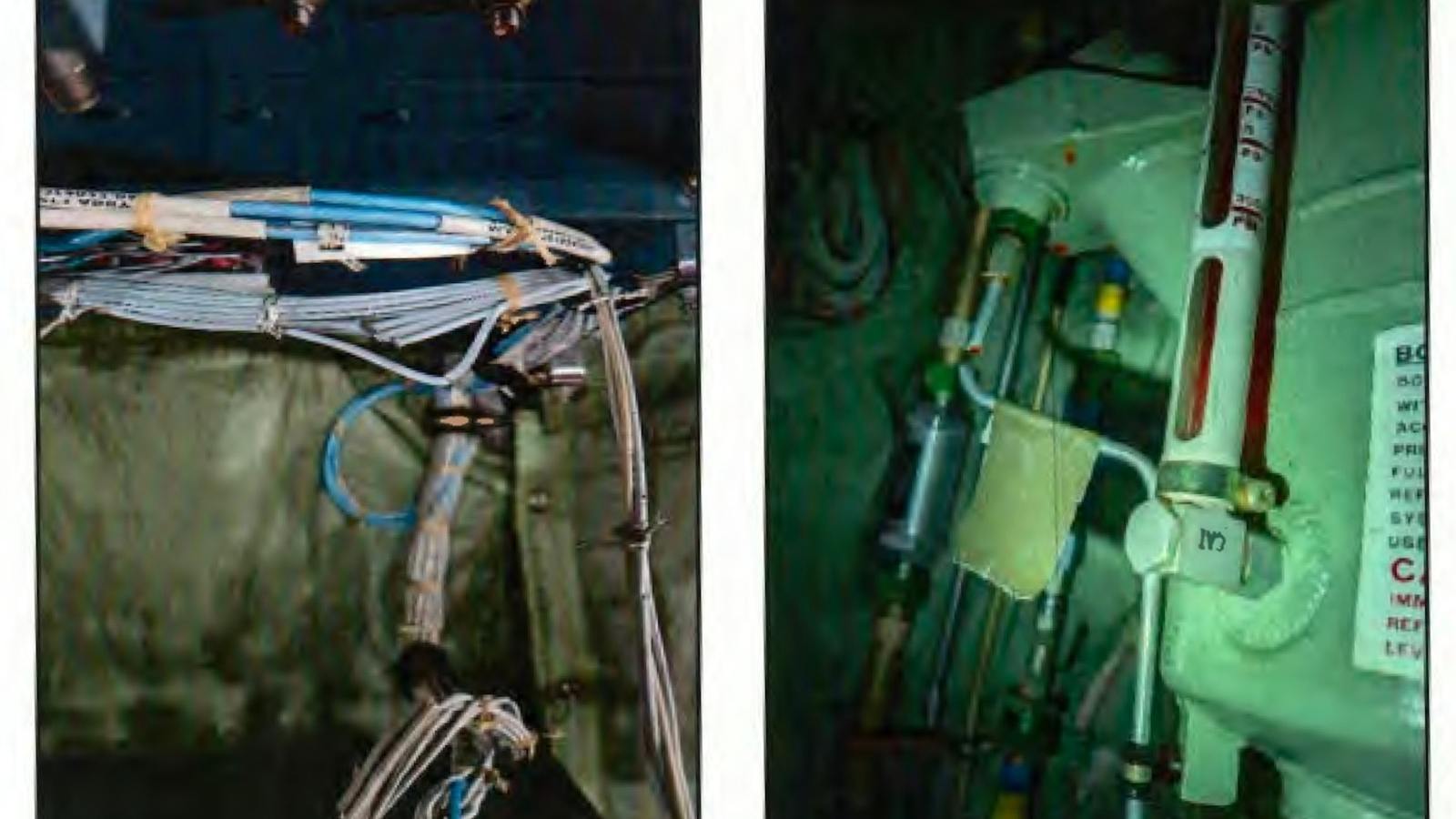
A federal grand jury in Manhattan unsealed a significant indictment on November 17, 2026, formally charging 48-year-old Irish national Daithi O’Corrain with the destruction of a U.S. Air National Guard C-130H aircraft. The incident, which took place on the morning of April 11, 2026, at Shannon Airport in County Clare, Ireland, resulted in the total loss of the $60 million transport aircraft. The U.S. Department of Justice (DOJ) announced the charges, which include the destruction of government property and other federal offenses, marking a significant escalation in the legal response to the breach. While O’Corrain had previously faced domestic charges in Ireland for trespass and criminal damage, this federal indictment introduces the prospect of severe international legal consequences, including a maximum sentence of 10 years in a U.S. federal prison.
A Premeditated Operation
Prosecutors allege that the attack was not a spontaneous act of protest but a calculated, months-long operation. The indictment details a level of preparation that suggests a high degree of intent and technical knowledge. According to federal authorities, O’Corrain conducted extensive online research into the structural composition of the C-130H, specifically identifying components that would be most vulnerable to sabotage. The investigation revealed that the defendant tracked the movements of military aircraft using specialized mobile applications and scouted the airport’s perimeter to identify specific breach points. Furthermore, he reportedly ordered gallium—a metal that is liquid at room temperature and highly corrosive to aluminum—specifically to compromise the aircraft’s structural integrity. The meticulous nature of the planning is underscored by his attempts to contact individuals involved in previous security breaches at the airport, suggesting a desire to learn from prior unauthorized entries.
On the day of the incident, O’Corrain breached the security perimeter at approximately 4:39 a.m. local time. He gained access to the restricted area and boarded the aircraft by breaking the locking mechanism on the rear crew door. Once inside, he utilized a variety of tools to systematically disable the aircraft. He cut wire bundles, punctured air ducts, and destroyed cockpit gauges. The indictment notes that his actions were highly specific; he crimped, rather than cut, a liquid oxygen line, which investigators stated prevented a catastrophic explosion that would have endangered lives, including his own. He also used the crew’s hammocks to cover windows while leaving the cockpit exposed, and he utilized ball bearings mixed with epoxy to obstruct the aircraft’s operational pathways.
Escalation and Exterior Sabotage
The situation escalated when the aircraft’s crew returned to the plane at approximately 9:40 a.m. and spotted O’Corrain through the cockpit window. Upon being discovered, the defendant exited the aircraft through a roof hatch and continued his assault on the exterior. Witnesses and investigators reported that he struck the fuselage with an axe and poured unknown substances into the fuel tanks. Irish law enforcement, including An Garda Síochána, responded to the scene and apprehended him while he was still on the roof of the aircraft. The damage inflicted rendered the C-130H permanently inoperable, preventing it from returning to active flight status. The U.S. government has emphasized that the loss of this asset represents a significant blow to military readiness and a direct threat to national security.
Stakes and Legal Context
U.S. Attorney Jamie McDonald stated that the prosecution is intended to serve as a clear warning that attacks on U.S. military assets will not be tolerated, regardless of their location. The FBI, which participated in the investigation through its New York Joint Terrorism Task Force, highlighted that the defendant’s preparation demonstrated a clear intent to maximize destruction. This case follows a series of security incidents at Shannon Airport involving U.S. military transit, including unauthorized perimeter breaches and vandalism in 2025. In May 2025, individuals drove a van through the airport perimeter, and another group breached the runway to spray paint a U.S. military aircraft. In November 2025, yet another group reached a restricted area where a U.S. military C-40 was parked.
The incident at Shannon Airport, which has long served as a critical refueling hub for U.S. military forces, has reignited discussions regarding the security requirements for civilian international airports that host military assets. The balance between maintaining operational tempo and ensuring robust perimeter defense remains a complex challenge for both the host nation and U.S. forces. While the defendant remains in Ireland and has not been extradited to the United States as of mid-November 2026, the federal indictment represents an assertive stance by U.S. authorities to seek accountability for the destruction of government property. The charges are currently treated as allegations, and the defendant is presumed innocent unless and until proven guilty in a court of law. The case remains under the purview of the National Security and International Narcotics Unit in the Southern District of New York.