


Strategic Shifts in India’s Naval Deterrence
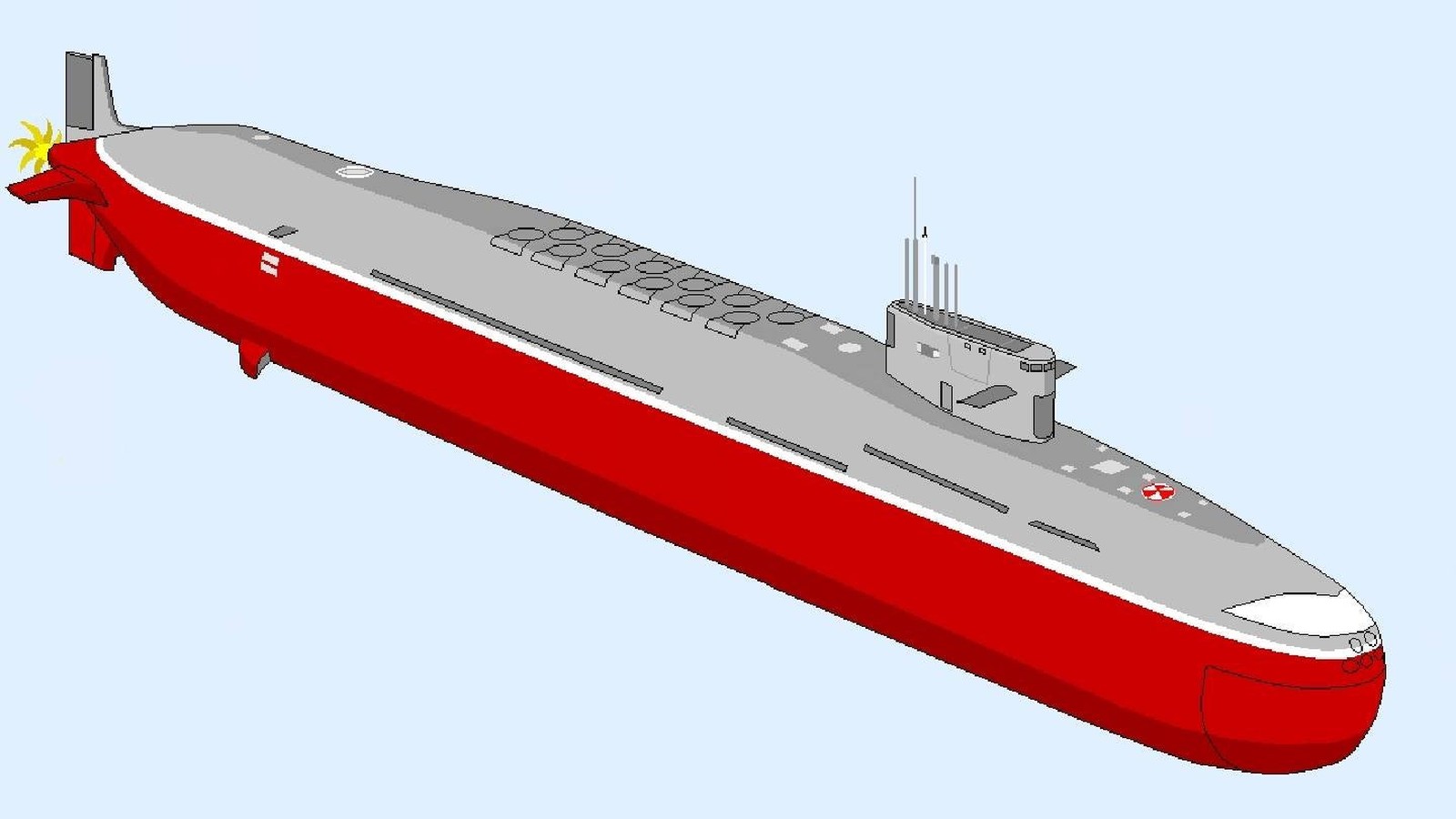
The commissioning of the nuclear-powered ballistic missile submarine INS Aridhaman marks a pivotal step in advancing the Indian Navy toward a continuous at-sea deterrence posture, according to an assessment published by Naval Technology on April 17, 2026. As the third Arihant-class SSBN following the introduction of INS Arihant and INS Arighat, the vessel expands India’s capacity to maintain a sustained sea-based strategic deterrent against regional nuclear powers including China and Pakistan.
Data and analytics firm GlobalData reported that with three Arihant-class nuclear submarines now operational and two additional vessels planned, New Delhi is transitioning away from a periodical patrol model. The strategic shift addresses the inherent vulnerabilities of land-based assets by prioritizing the sea-based leg of the nuclear triad, which analysts identify as the most survivable component following a potential first strike.
Capabilities and Indigenous Integration
INS Aridhaman introduces significant structural enhancements compared to its predecessors, featuring eight vertical launch tubes that double the capacity of earlier Arihant-class vessels. The submarine is configured to carry either eight K-4 ballistic missiles with a range of 3,500 kilometers or up to twenty-four K-15 missiles with a 750-kilometer range.
Harshavardhan Dabbiru, an aerospace and defence analyst at GlobalData, noted that the platform incorporates sophisticated domestic subsystems and weapons, including the onboard nuclear reactor, sonar systems, communication suites, and ballistic missiles. This integration highlights an expanding industrial base capable of executing technologically complex marine engineering projects.
Future Procurement and Defense Economics
Alongside its nuclear fleet expansion, India continues to modernize its conventional underwater warfare capabilities. Under Project 75I, the Indian Navy plans to introduce six new diesel-electric submarines while upgrading existing Scorpène-class vessels with indigenous air-independent propulsion systems.
According to GlobalData’s ‘The Global Submarine Market Forecast 2026–2036,’ India is projected to allocate approximately $641.1 billion between 2026 and 2036 for various submarine categories. Forthcoming acquisitions include advanced S5-class SSBNs and Project 77 nuclear-powered attack submarines, designed to broaden operational reach and maintain second-strike credibility under the nation’s stringent no-first-use nuclear doctrine.