

Quick Read
- iOS 26.1 released November 3, 2025, now Apple’s recommended update for iPhone 11 and newer.
- Liquid Glass toggle lets users choose between clear and tinted UI for better readability.
- AirPods Live Translation expands to Japanese, Korean, Italian, and two Chinese variants.
- Update requires 2–3GB free space; security and performance improvements included.
- iOS 26.2 is in release candidate stage with more refinements expected soon.
iOS 26.1: Apple’s Bold Move to Refine the iPhone Experience
When Apple released iOS 26.1 on November 3, 2025, the company did more than issue another routine update. By December, iOS 26.1 became Apple’s recommended download for all users still on iOS 18—a clear signal that this was no ordinary point release. Behind the scenes, Apple was addressing real-world user frustrations, particularly around visual clarity and global communication. Now, with the addition of the Liquid Glass toggle and an expanded AirPods Live Translation feature, Apple is making good on promises to refine the iPhone experience for millions.
What’s New: Liquid Glass Toggle and AirPods Translation Expansion
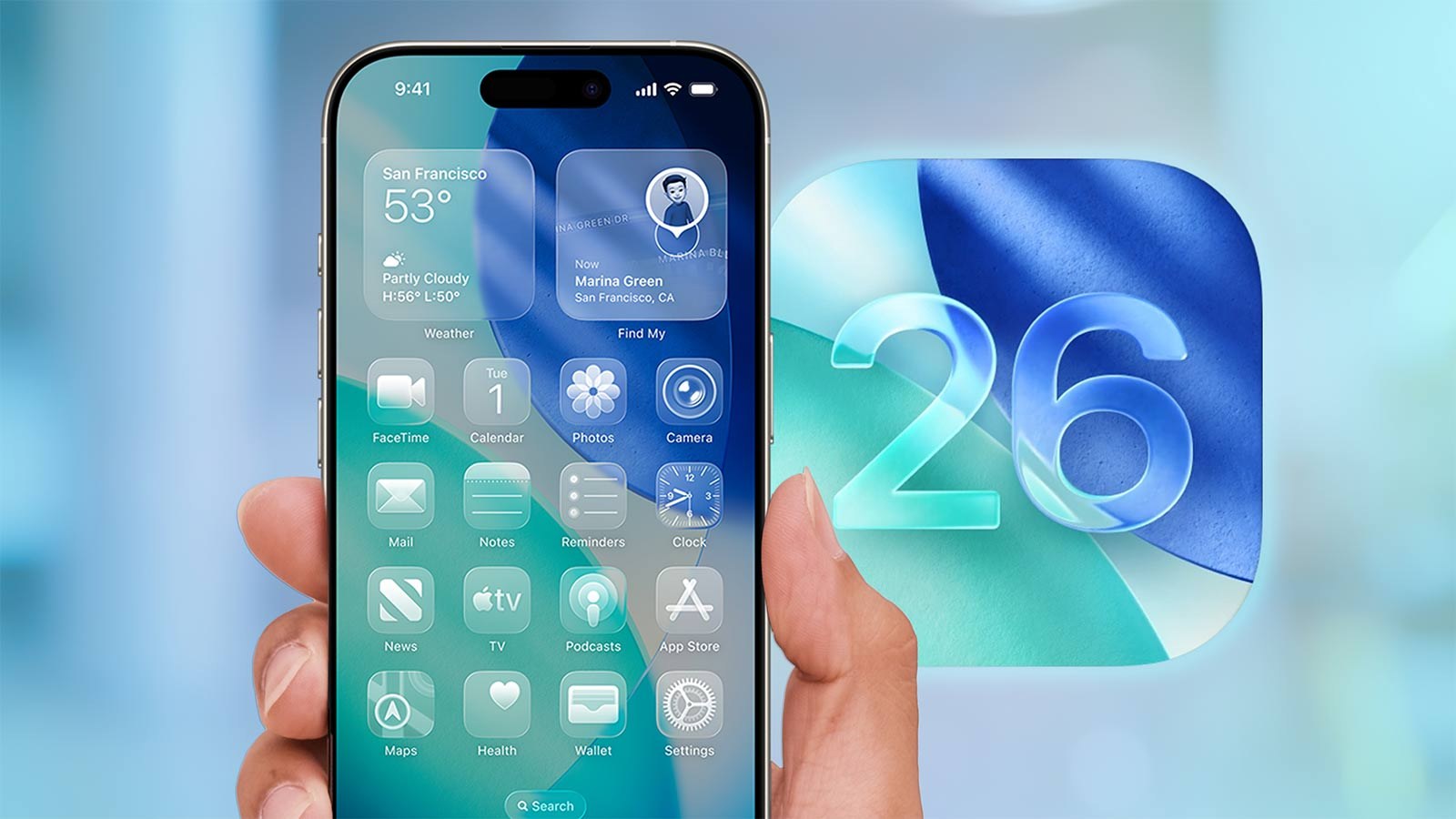
At the heart of iOS 26.1 are two headline features: the Liquid Glass toggle and the widened reach of AirPods Live Translation. The Liquid Glass interface, first introduced in iOS 26, was Apple’s ambitious attempt to give the iPhone a sleeker, more transparent look. But many users—especially those with accessibility needs—quickly pointed out that the minimalist, see-through style made buttons and controls harder to distinguish. Apple’s response? The new toggle lets users switch between the original clear mode and a new ‘tinted’ mode that boosts opacity and contrast. This simple setting, found in Settings > Display & Brightness, puts control back in users’ hands. It means you can choose the aesthetic you love or the legibility you need, all across Mail, Messages, and system menus.
Meanwhile, AirPods users get a major upgrade, too. Apple Intelligence—Apple’s on-device AI—now powers Live Translation in five more languages: Japanese, Korean, Italian, and both Simplified and Traditional Chinese. For frequent travelers, international students, or business professionals, this means real-time conversation translation is now possible in more of the world’s key languages. And because this AI runs directly on the device, privacy and speed are maintained. Apple’s global user base has long asked for these additions, and iOS 26.1 finally delivers.
Why Apple Is Pushing iOS 26.1 Now
Apple’s decision to spotlight iOS 26.1 as the default recommended update—rather than the full iOS 26—shows confidence in the stability and importance of these improvements. According to MacRumors and The Verge, the company wanted to ensure the widest possible adoption before rolling out further refinements in iOS 26.2. This approach is strategic: it ensures more users benefit from the Liquid Glass fixes and expanded translation features before the holiday season, when global communication and accessibility become even more critical.
From a technical perspective, iOS 26.1 is a foundation for what’s next. Apple is already testing iOS 26.2, with beta users reporting smoother animations and better battery performance—especially for devices using the new Liquid Glass options. The company has committed to ongoing monthly security updates throughout 2026, reinforcing its focus on long-term device stability.
Who Gets the Update? Compatibility and Installation Tips
If you own an iPhone 11 or newer (including the 12, 13, 14, 15, and the latest iPhone 16 series), you’re eligible for iOS 26.1 and its new features. Apple dropped support for iPhone XS, XS Max, and XR with iOS 26, so users of those older models will need to stick with previous versions. The update requires about 2–3GB of free space and should be downloaded over WiFi, with your phone plugged in for at least 10 minutes to ensure a smooth installation.
Apple emphasizes the importance of upgrading, especially for those still on iOS 18. The new version patches critical security vulnerabilities and brings under-the-hood improvements that extend battery life and boost app performance. For anyone concerned about stability or usability, iOS 26.1 is positioned as the most refined and reliable option currently available.
Liquid Glass: Accessibility Meets Aesthetics
Apple’s design philosophy has always balanced beauty with functionality. The original Liquid Glass interface drew both praise and criticism: some loved the modern, floating-glass vibe, while others struggled with readability. The new toggle is a direct response to this feedback. The clear mode stays true to Apple’s minimalist roots, while the tinted mode increases contrast for users who need it. Early feedback, highlighted by The Verge, suggests that even users without accessibility needs are switching to tinted mode, calling it more ‘premium’ and practical for everyday use.
| Feature | Clear Mode | Tinted Mode |
|---|---|---|
| Visual Style | Minimal, transparent | Enhanced opacity, higher contrast |
| Best For | Aesthetic preference | Accessibility, readability |
| Legibility | Subtle contrast | Maximum visibility |
This move signals a shift in Apple’s attitude: rather than prioritizing design over function, the company is inviting users to tailor their experience. In a world where one-size-fits-all rarely works, the Liquid Glass toggle is a small but meaningful step toward real personalization.
AirPods Live Translation: Bridging Language Gaps Worldwide
For years, Apple’s AI-powered translation has been a highlight, but its language support lagged behind competitors. With iOS 26.1, that changes. AirPods Pro users can now access real-time translation in Japanese, Korean, Italian, and both variants of Chinese—languages representing major global communities. The update is especially significant for users in the European Union and Asia, where demand for instant, reliable translation is high.
The translation runs locally via Apple Intelligence, so privacy is preserved and responses are quick. Whether you’re traveling for business, studying abroad, or simply trying to connect with family, the expanded translation unlocks a world of possibility. Apple’s own rollout strategy, reported by Apple Newsroom, prioritized these additions based on global user demand and feedback.
Looking Ahead: iOS 26.2 and Apple’s Ongoing Commitment
With iOS 26.2 already in the pipeline—expected as soon as December 10, 2025—Apple is signaling that the pace of meaningful updates will continue. Developers testing the release candidate report not just bug fixes, but tangible improvements in animation and battery efficiency. Apple is setting the stage for an even more polished experience, building on the groundwork laid by iOS 26.1.
Crucially, Apple is also maintaining its monthly security patch schedule, promising support and peace of mind for users well into 2026. For anyone considering the update, these assurances make iOS 26.1 more than a cosmetic upgrade—it’s a strategic, user-focused evolution of the iPhone operating system.
Assessment: With iOS 26.1, Apple is taking concrete steps to address both aesthetic and practical user concerns. The Liquid Glass toggle is a rare instance of a tech giant listening to accessibility feedback and responding with real customization. Expanding AirPods Live Translation reflects Apple’s recognition of its global audience and the practical barriers they face. While no update is flawless, iOS 26.1 stands out for its blend of user-driven improvements and technical stability, setting a new standard for what incremental updates can achieve in the smartphone world.