


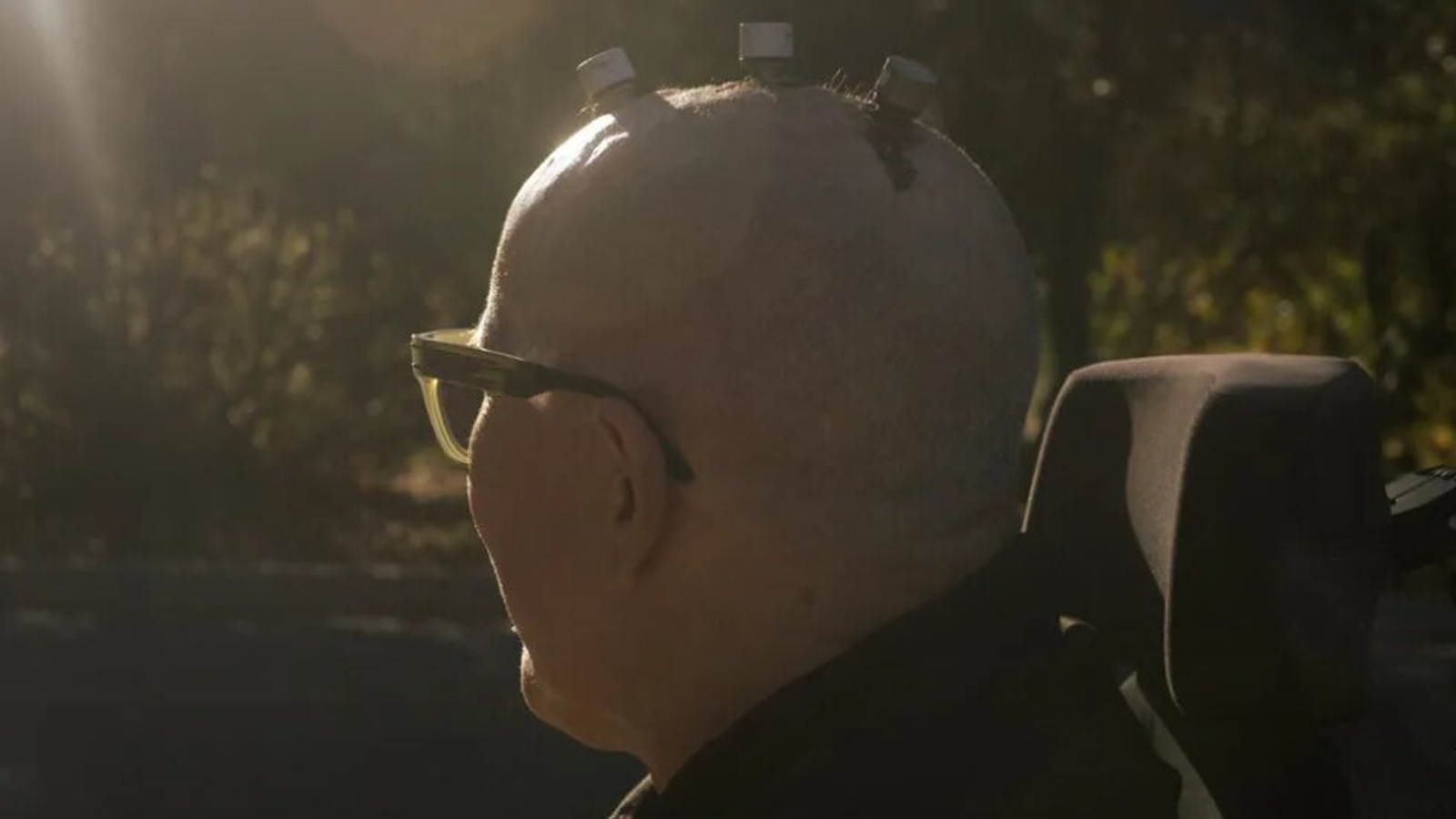
J. Galen Buckwalter, a 70-year-old participant in a joint brain-computer interface (BCI) study conducted by the California Institute of Technology (Caltech) and the University of Southern California (USC), finds himself at the center of a burgeoning ethical and legal crisis regarding the ownership of human neural data. After two years of intensive participation in a study that required a seven-hour craniotomy to implant six chips into his motor cortex, Buckwalter requested access to the raw data generated by his own brain activity. His request was met with a firm refusal, as researchers informed him that the output from his neural signals is proprietary research data belonging to the institutions, not the participant. This conflict has illuminated a profound regulatory void in the field of neurotechnology, where the most intimate information about human cognition remains largely unprotected by established legal frameworks.
The Anatomy of an Institutional Standoff
Buckwalter, who has lived with paralysis from the chest down since a teenage diving accident, viewed his participation in the study as a dual opportunity: to contribute to medical science and to explore the potential of his own physiology. A former research scientist who developed the matching algorithms for eHarmony, Buckwalter approached the study with an analytical mindset. He envisioned using the neural data to conduct independent experiments, enhance his professional interests in psychology, and even create unique musical compositions—a project he and a graduate student researcher, Sean Darcy, dubbed “NeuralNote.” However, the transition from participant to collaborator was abruptly halted when institutional authorities asserted total control over the data stream.
As reported by the New York Times and other sources, the disagreement escalated when Buckwalter refused to sign an updated informed consent form that explicitly stated his neural data would no longer belong to him. This “consent form from hell,” as Buckwalter described it, became the focal point of a larger struggle for data sovereignty. By refusing to sign, Buckwalter faced the prospect of being expelled from the study, which would necessitate a second surgical procedure to remove the implanted hardware. The university’s position, while grounded in traditional institutional policies, highlights the friction between legacy research ethics and the reality of modern, high-fidelity neural recording.
A Regulatory Void in the Age of Neurotechnology
The case of J. Galen Buckwalter is not merely an isolated academic dispute; it is a precursor to a wider societal challenge. As BCI technology moves from specialized clinical research into the realm of consumer-facing devices and private commercial ventures like Neuralink, the lack of clear, uniform regulations regarding neural data ownership becomes a critical vulnerability. Unlike shopping habits, web search histories, or social media interactions, neural data represents the fundamental architecture of human thought, emotion, and subconscious processing. If participants in controlled academic studies have no rights to this information, the implications for future consumers of private neurotechnology are profound.
Legal scholars, such as Francis Shen of the University of Minnesota, have noted that current laws and university policies remain largely settled in a manner that favors institutional control over individual rights. This creates an environment where participants are often treated as mere conduits for data generation rather than active partners in scientific discovery. The absence of a standardized framework means that access to one’s own brain data is currently a matter of institutional discretion rather than a protected right, leaving individuals at the mercy of shifting university policies.
Institutional Perspectives and the Path Forward
Ralph Adolphs, the chair of Caltech’s institutional review board, has acknowledged the complexity of the situation, noting that the university aims to find a way to share data with participants in the future. However, he highlighted significant concerns, including the potential for data leakage, the risk of misinterpretation, and the danger of misuse by third parties such as health insurers. The university’s cautious approach reflects a broader anxiety among research institutions: how to balance the protection of intellectual property and participant privacy with the growing demand for personal data access.
Despite these tensions, the B.C.I. Pioneers Coalition—a group of individuals with spinal cord injuries and brain implants—is actively pushing for a new model of research. Their draft manifesto, “Our B.C.I.,” explicitly argues that brain data should be recognized as personal information, with researchers acting merely as stewards rather than owners. This shift in perspective is gaining traction, even as institutions struggle to adapt. For Buckwalter, the pause in his research sessions is a frustrating delay, but it has also galvanized his resolve. He continues to advocate for a collaborative model where the participant’s contribution is honored as a partnership, emphasizing that the raw material of human thought demands a higher standard of respect and transparency.
The Future of Cognitive Sovereignty
As the field of neurotechnology matures, the debate sparked by Buckwalter’s experience will likely become a defining issue in bioethics. The ability to record and translate neural signals into digital output offers unprecedented potential for medical advancement and human augmentation, but it also creates the potential for unprecedented surveillance. If the “brain-computer interface” era is to progress ethically, legal and institutional standards must evolve to catch up with the technology. The current impasse at Caltech and USC suggests that the transition will be difficult, requiring a fundamental reassessment of who owns the information generated by the human mind. Whether through new legislation or a radical update to institutional review board policies, the movement toward cognitive sovereignty is clearly underway, driven by participants who are no longer content to be passive subjects in the laboratories of the future.
Reporting source: nytimes.com.