


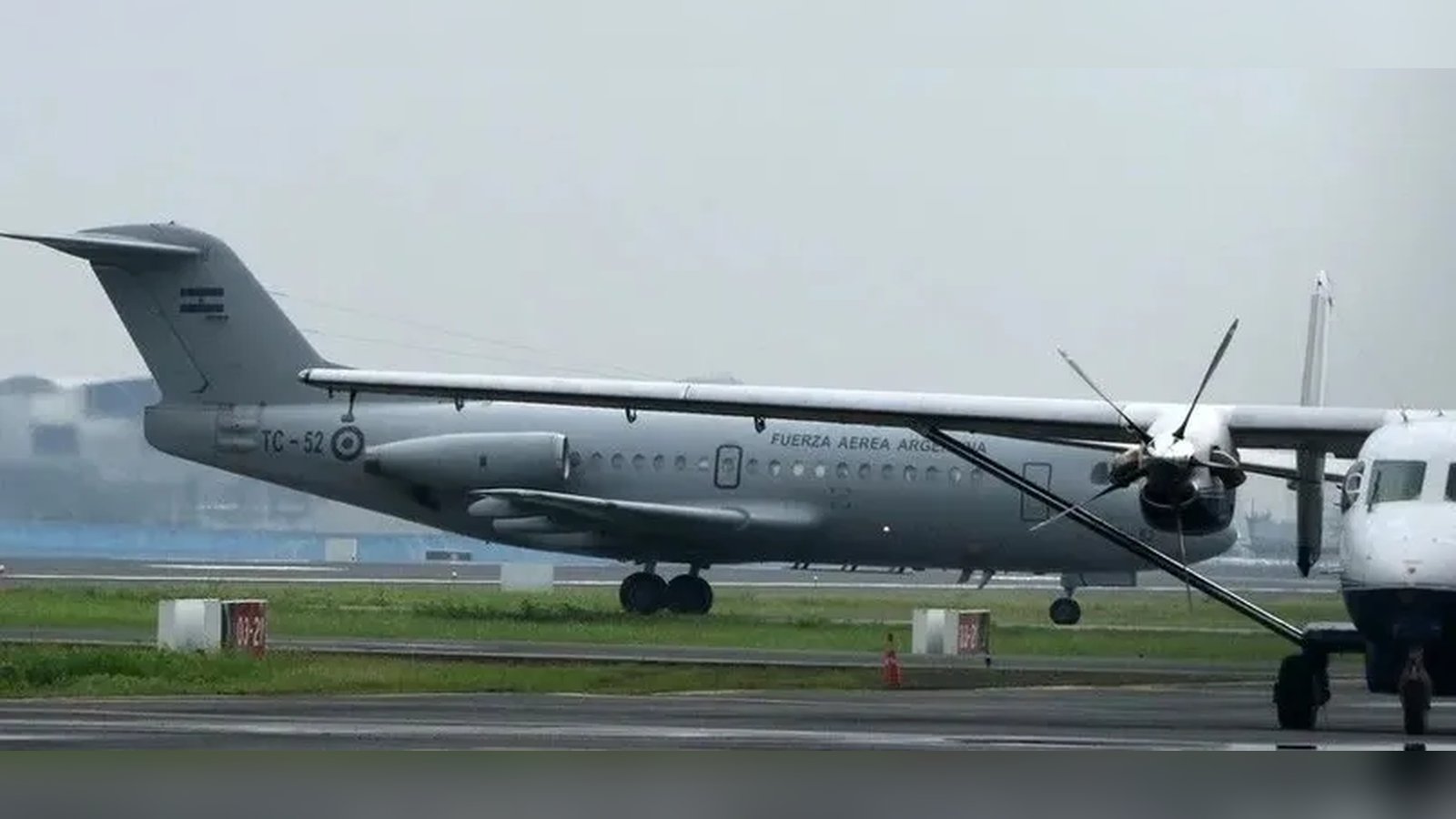
On November 11, 2026, Iran’s Ministry of Foreign Affairs officially declared the Argentine Navy and the Argentine Air Force to be terrorist organizations. The move serves as a direct retaliatory measure against Buenos Aires, which previously classified Iran’s Islamic Revolutionary Guard Corps (IRGC) as a terrorist entity.
According to an official statement reported by A News, the Iranian Foreign Ministry asserted that Argentina had taken an overtly hostile step that breached the fundamental tenets of international law. Tehran emphasized that because the IRGC is an official constitutional branch of the Iranian Armed Forces, foreign terrorist designations against it violate sovereign military protections.
Invocation of the 2019 Reciprocity Law
Tehran grounded its formal decision in domestic statutory authority passed in 2019, titled “Countermeasure in Response to the United States’ Designation of the Islamic Revolution Guards Corps as a Terrorist Organization.” That legislation mandates reciprocal punitive actions against any foreign jurisdiction that supports, adopts, or complies with Washington’s punitive measures against the IRGC.
Iran’s Foreign Ministry stated via Tasnim News Agency that Argentina fell squarely within the scope of this domestic countermeasure framework. The ministry warned that the government in Buenos Aires would bear full responsibility for any diplomatic, legal, or geopolitical consequences emerging from the bilateral friction, though it did not detail specific enforcement actions.
Diplomatic Roots of the Dispute
Tensions between Buenos Aires and Tehran intensified sharply earlier this year when Argentina formally designated the IRGC as a terrorist entity on March 31. Argentine authorities pointed to allegations connecting senior Iranian figures and the Guard Corps to two devastating bomb attacks in the capital during the 1990s: the 1992 bombing of the Israeli Embassy and the 1994 catastrophic attack on the AMIA Jewish community center. Iran has consistently and vehemently denied involvement in both incidents.
The move against Argentina is part of a broader diplomatic campaign by Tehran to counter Western and allied pressure on its military apparatus. Just days earlier, on November 1, Iran carried out a comparable retaliatory move against the United Kingdom, designating Britain’s Royal Navy and Royal Air Force as terrorist entities and naming the Secret Intelligence Service (MI6) a hostile group after London imposed punitive measures against Guard units.
While Tehran’s blacklist against foreign regular military branches carries primarily symbolic weight given the absence of direct military engagement, it cements a deep diplomatic rupture between Iran and Javier Milei’s administration in Buenos Aires.