


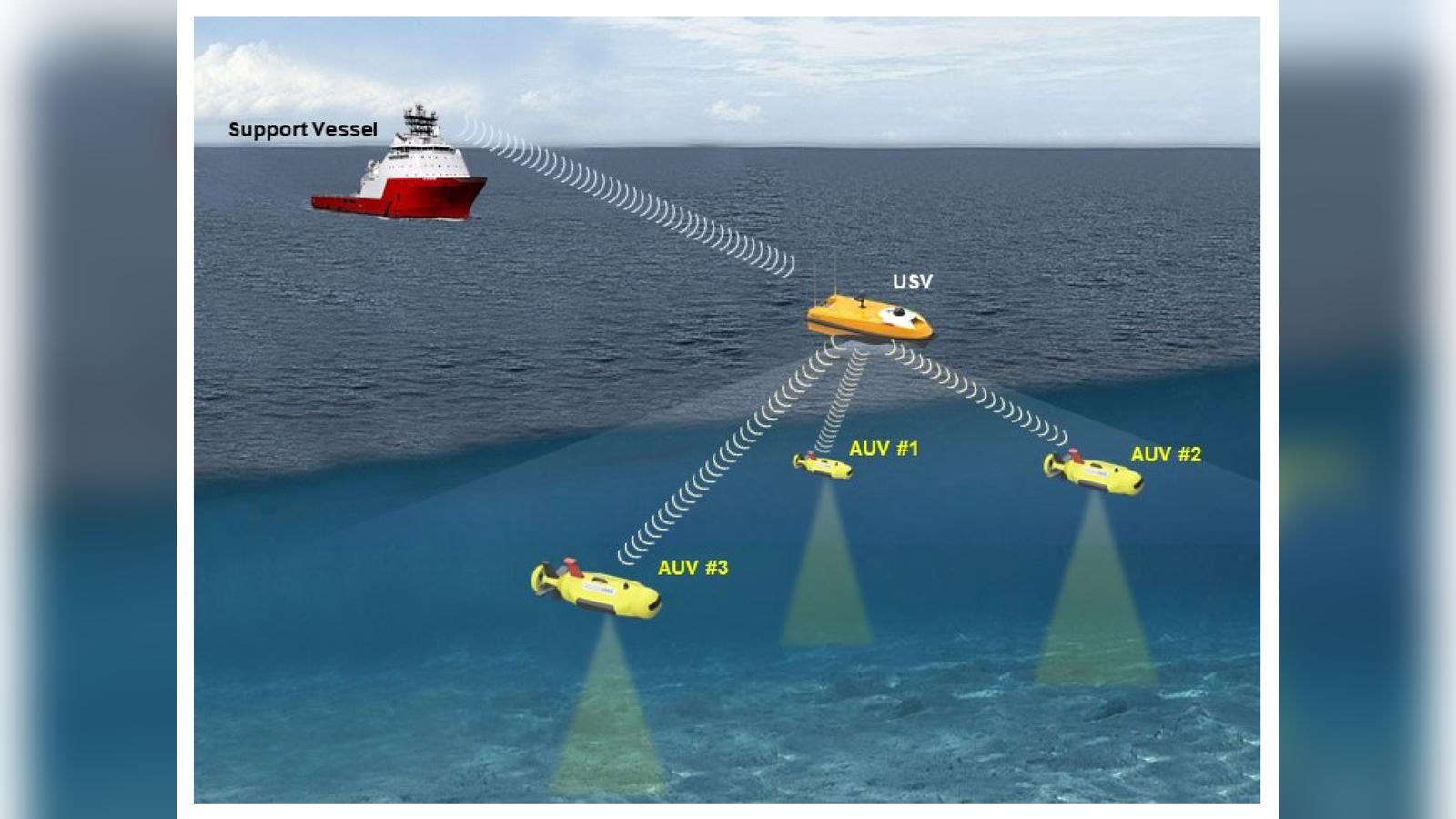
DUBAI (Azat TV) – Iran has reportedly seized a second advanced American autonomous underwater vehicle, specifically a REMUS 600, while it was conducting surveillance operations in the strategic Strait of Hormuz. According to regional reports originating from Middle East Spectator, Iranian engineers are currently working to extract data from the captured device and initiate reverse-engineering efforts. The development underscores ongoing maritime tensions in one of the world’s most critical energy transit corridors, though precise timelines regarding the interception remain limited.
Strategic Implications in the Strait of Hormuz
The seizure of high-tech naval hardware in the Strait of Hormuz highlights the persistent friction between United States and Iranian forces in the Persian Gulf. Unmanned maritime systems like the REMUS 600 are heavily utilized for seabed mapping, intelligence gathering, and hydrographic surveillance. The successful retrieval and potential reverse engineering of such a sophisticated platform by Iranian defense technicians could provide regional actors with valuable insights into Western underwater sensor technology and acoustic signature profiles.
Context and Technical Recovery Efforts
While official confirmation from the United States Navy or Department of Defense is pending, similar incidents involving unmanned underwater and surface vessels have previously occurred in regional waterways. The timing of the event coincided with the anniversary of the lifting of the siege of Abadan, a historically significant milestone frequently invoked in regional military rhetoric. It was not immediately clear what specific countermeasures the U.S. Navy might pursue following the loss of the equipment, or whether diplomatic channels are being utilized to address the maritime seizure.
This seizure highlights how unmanned technology has become a central frontier for maritime espionage and counter-surveillance, where the loss of advanced hardware carries significant technological intelligence risks for military operators.