

Quick Read
- Jacob Bethell became England’s youngest captain at age 21.
- Ireland’s opening partnership dominated the first six overs.
- Paul Stirling scored 34 before falling to Rashid.
- Ireland reached 108-2 by the 12th over, aiming for a 200+ total.
- England’s bowling was inconsistent, with costly extras.
Young Leadership Meets Old Rivalry: Bethell’s Historic Captaincy
The energy in Dublin was electric as Ireland hosted England for the first T20I of their three-match series. All eyes were on Jacob Bethell, who, at just 21, took the reins as England’s youngest captain—a record that stood unbroken since 1889. Bethell’s rapid rise from debutant to leader in a single year underscored not just his cricketing prowess, but his character, earning the trust of England’s selectors and fans alike. His own words, a blend of nerves and pride, captured the spirit of a young athlete standing on the threshold of history.
Ireland’s Batting: Aggression, Poise, and Intent
When the national anthems faded and the first ball was bowled, Ireland set out with unmistakable intent. The opening pair—Paul Stirling and Ross Adair—laid a solid foundation. Stirling’s crisp drives and Adair’s aggressive footwork signaled Ireland’s plan: seize momentum early. Stirling, the captain, seemed in imperious touch, dispatching Dawson for a massive six over wide long-on in the fourth over. Adair, undeterred even after a glancing blow to his helmet, responded with a flurry of boundaries, including a monster six off Overton that brought the Dublin crowd to its feet.
England’s bowlers struggled to find rhythm. Luke Wood’s opening wide, Sam Curran’s five-run extras, and a series of loose deliveries allowed Ireland to keep the scoreboard ticking. By the sixth over, Ireland had reached 49 without loss, Stirling and Adair matching each other stroke for stroke.
Turning Points: Wickets and Tactical Shifts
The first breakthrough came courtesy of Liam Dawson in the eighth over, deceiving Adair with loop and bounce—Salt took a comfortable catch at midwicket. Yet, Ireland refused to slow down. Stirling, undaunted by the loss of his partner, launched Dawson over long-off for his third six, pushing Ireland past fifty and keeping the pressure on England.
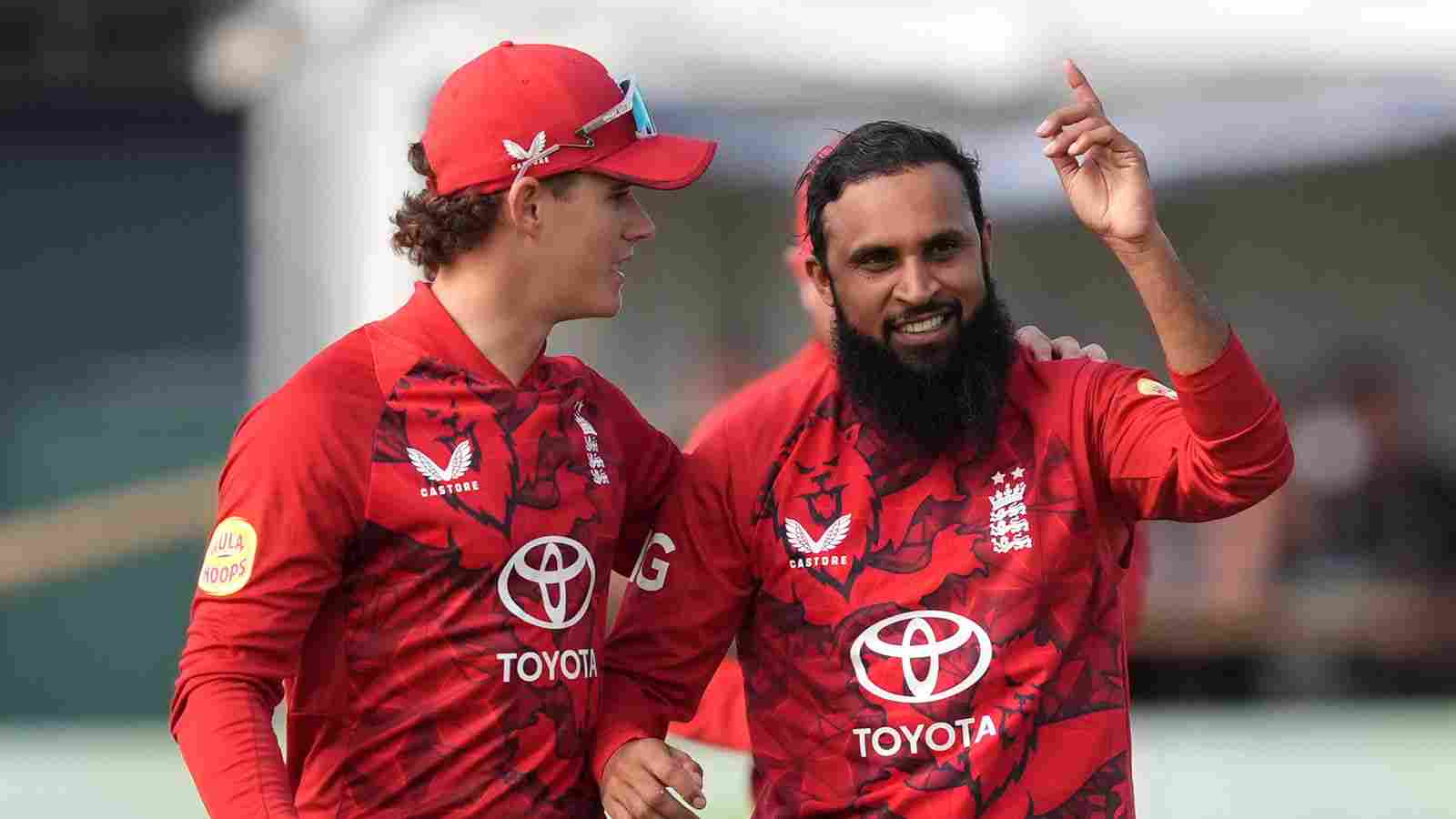
Adil Rashid, England’s seasoned spinner, was summoned to stem the flow. His flighted delivery in the ninth over coaxed Stirling into a misjudged swipe—a catch for Will Jacks on the boundary and a vital wicket for England. Stirling walked off with 34 from 22 balls, visibly disappointed, knowing he’d set the platform for a big score.
Harry Tector and Lorcan Tucker stepped into the breach. Tector’s technique shone with a crisp drive through the covers, while Tucker’s clever wristwork brought up Ireland’s hundred with a deft sweep behind square. The partnership grew steadily, exploiting England’s inconsistency in line and length. By the twelfth over, Ireland were 108-2, cantering towards a challenging total.
Expert Voices: Momentum and Mindset
Former internationals Ed Joyce and Peter O’Reilly, speaking on BBC Test Match Special, highlighted Ireland’s determination and tactical savvy. Joyce noted the importance of boundaries in every over, predicting a target close to 200 would be needed to truly test England’s powerful batting line-up. O’Reilly praised Tucker’s adaptability, calling his boundary-scoring sweep a «special» shot—difficult to read and executed with finesse.
The pundits agreed: Ireland’s acceleration after laying a solid foundation was textbook T20 cricket. Stirling’s frustration at his own dismissal, Tector’s steady hand, and Tucker’s flair combined to maintain Ireland’s momentum, even as England’s bowlers rotated in search of a breakthrough.
England’s Response: Youthful Leadership Under Pressure
England, meanwhile, faced a test of composure. Bethell’s captaincy debut was as much about managing his bowlers’ nerves as it was about tactical decisions. The team sheet reflected a blend of experience and youth—Jos Buttler behind the stumps, Rashid leading the spin attack, and up-and-coming talents like Rehan Ahmed and Jamie Overton in supporting roles.
Yet, the bowling unit appeared unsettled. Curran’s wides and Buttler’s missed opportunities frustrated the visitors, with pundits and fans debating the merits of squad selection. Some questioned Overton’s place in the starting XI, while others called for more left-arm options like David Willey to balance the attack.
Despite these hiccups, England remained in the hunt, relying on Rashid’s guile and Bethell’s calm leadership to navigate the middle overs. Every wicket was hard-earned, every run contested—classic hallmarks of high-stakes international cricket.
Setting the Stage: What Lies Ahead
As Ireland approached the final overs of their innings, the crowd sensed the possibility of a landmark score. The home side’s blend of aggression and discipline had put England on notice: this was no routine fixture. With the T20 World Cup looming, both teams had much to prove—not just in terms of results, but in the development of players, strategies, and leadership under pressure.
For Ireland, a total above 200 would signal their growing confidence and ability to compete with cricket’s elite. For England, the challenge was clear: regroup, respond, and rely on their batting depth to chase whatever Ireland set.
It was more than just runs and wickets; it was a contest of will, skill, and character. As Bethell himself reflected, the year since his debut had been a whirlwind—now, he stood at the heart of England’s next chapter, ready to carry the momentum forward.
With two matches yet to come, the Dublin opener set the tone for a series that promises drama, tension, and flashes of brilliance. The rivalry between Ireland and England, steeped in history, found new life in the hands of young captains, inventive batters, and passionate fans.
Assessment: The first T20I in Dublin was more than a statistical battle—it was a statement of intent from Ireland, a test of England’s evolving leadership, and a reminder that in cricket, momentum can shift in the blink of an eye. As Ireland’s batsmen delivered with flair and England’s youngest captain rose to a historic occasion, both teams demonstrated that the future of the sport is shaped not just by talent, but by resilience and adaptability under pressure.