


A Tale of Two Championships
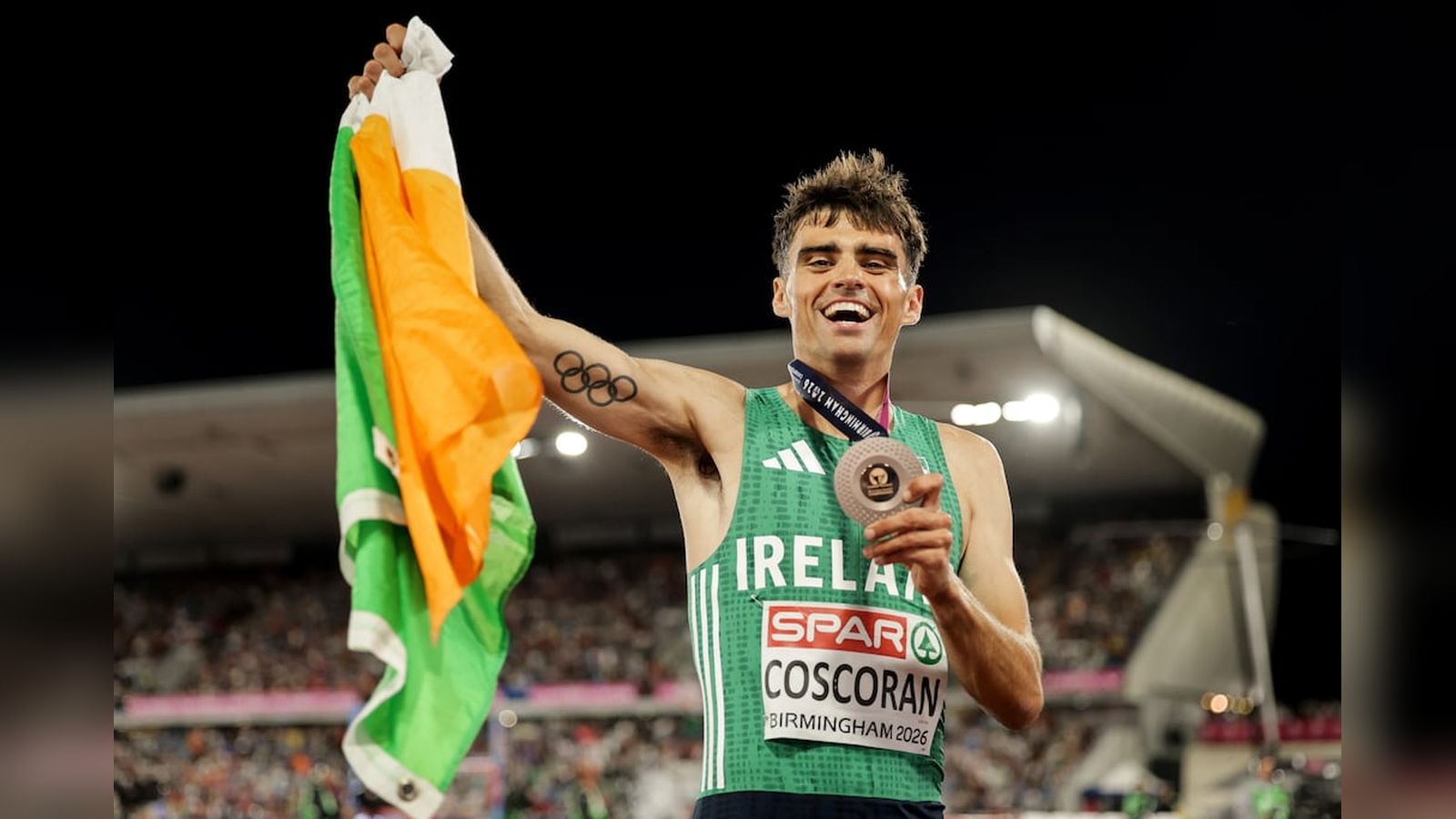
As the European Athletics Championships in Birmingham and the European Aquatics Championships in Paris reach their climax, Irish athletes are delivering historic performances. Ellen Walshe has emerged as the standout star, securing a double gold in the 200m and 400m Individual Medley in Paris. Her record-breaking 2:09.81 in the 200m IM is a testament to the rising caliber of Irish swimming. Meanwhile, in Birmingham, Kate O’Connor has continued to bolster Ireland’s medal tally with a gold in the heptathlon, while Mark English has added another gold in the men’s 800m.
The Broadcasting Divide
Despite the success on the track and in the pool, the national sporting mood has been marred by a growing controversy surrounding the domestic broadcast coverage. RTÉ, the national broadcaster, has faced a deluge of criticism from viewers who found the live coverage of the athletics in Birmingham insufficient. Numerous fans took to social media platforms like X (formerly Twitter) to voice their frustration, particularly when the channel opted to air race walking events instead of live coverage of key competitions like the heptathlon long jump, where O’Connor was competing.
This decision forced a significant portion of the Irish audience to switch to the BBC, which has been providing comprehensive live coverage of the Birmingham event. The backlash highlights a disconnect between the national broadcaster’s scheduling priorities and the expectations of a public eager to follow the achievements of their athletes in real-time. Comments describing the situation as “unforgivable” and demands for the broadcaster to “get it together” underline the intensity of the public sentiment.
Stakes for National Sports Media
The incident poses a reputational challenge for RTÉ. In an era where international streaming services and foreign broadcasters like the BBC are easily accessible, the margin for error in sports broadcasting has narrowed. When viewers feel that their national champions are being sidelined for less engaging programming, the loyalty to domestic media is tested. The incident is not merely about scheduling; it reflects the broader importance of sports as a pillar of national identity and the role of public service media in facilitating that connection.
While RTÉ eventually provided coverage of key moments, the delay meant many viewers had already migrated to alternative platforms. As the championships conclude, the focus will remain on the performance of athletes like Mona McSharry and Tom Fannon, who continue to compete for final medals. However, the conversation surrounding the accessibility of these moments will likely persist as a critical post-tournament discussion.