

Quick Read
- The U.S. federal government shutdown has entered its sixth day, with no resolution yet.
- Negotiations remain stalled as Democrats and Republicans dispute healthcare subsidies in the funding bill.
- Federal worker unions are fighting mass layoffs threatened by the Trump administration.
- Polls show Americans are split on who to blame, but most disapprove of how leaders are handling the situation.
Congress Returns, But No End in Sight
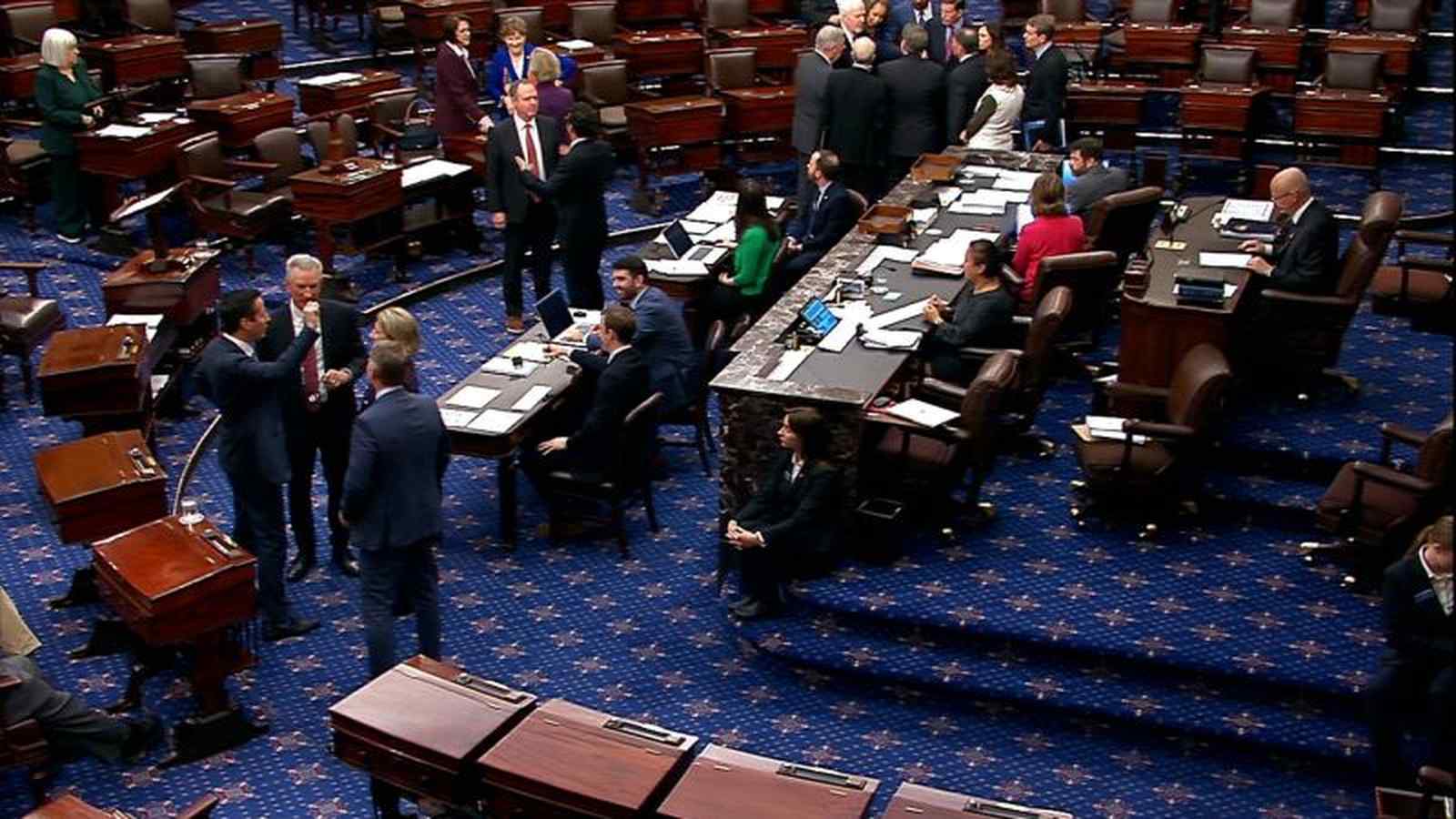
Day six of the federal government shutdown dawned with little sign of progress in Washington. Senators streamed back into the Capitol, hoping to break the deadlock that has left hundreds of thousands of federal employees uncertain about their next paycheck. But as the hours ticked by, the impasse only seemed to deepen.
The core dispute remains unchanged: Democrats are demanding that Republicans extend enhanced Obamacare subsidies as part of any temporary funding bill, while Republicans insist that healthcare negotiations should wait until later in the year. President Donald Trump, at the heart of the standoff, has threatened further layoffs on top of the ongoing furloughs, escalating the stakes for federal workers and the nation at large.
Finger-Pointing and Political Calculus
Both sides in Congress have dug in, each blaming the other for the ongoing shutdown. House Speaker Mike Johnson has repeatedly argued that Democrats are holding up government funding by insisting on healthcare provisions. “We need the time to do that [negotiate], and we have the time, but you have to have government open,” Johnson told MSNBC, emphasizing his preference to address healthcare issues later.
In contrast, House Minority Leader Hakeem Jeffries insists that the time is now. Appearing on NBC’s ‘The Today Show,’ Jeffries highlighted the urgency of rising healthcare costs, warning that millions of Americans are already receiving notices about increasing premiums, copays, and deductibles. With the enrollment period for health insurance opening in November and enhanced subsidies set to expire December 31, Democrats argue that waiting is not an option.
The rhetoric reached a fever pitch over the weekend, with leaders on both sides using Sunday political shows to sharpen their positions. Senate Majority Leader John Thune described the negotiations as a “stalemate,” dismissing Democratic demands as unrealistic. Meanwhile, Senate Minority Leader Chuck Schumer called for a small group of leaders to hash out a deal in private, but lamented that informal talks had so far yielded little progress.
Ripple Effects Nationwide
The consequences of the shutdown are mounting. Federal workers face uncertainty, with many furloughed and some receiving threats of permanent layoffs. The American Federation of Government Employees (AFGE) and the American Federation of State, County and Municipal Employees (AFSCME) have filed lawsuits to block the Trump administration from carrying out mass firings, arguing that such actions would not only harm workers and their families but also undermine vital public services.
AFGE National President Everett Kelley condemned the administration’s threats, calling them “not only illegal — it’s just plain wrong.” He warned that mass firings would devastate essential services that Americans rely on, from healthcare to security.
For many Americans, the shutdown is more than a political fight; it’s a daily reality. Stories are emerging of families struggling to make ends meet, delayed paychecks, and growing anxiety about the future. The White House budget office has instructed agencies to prepare for mass firings if the shutdown drags on, deepening the sense of uncertainty for federal workers.
Public Opinion: Who’s to Blame?
Polling data paints a complex picture of public sentiment. According to a CBS News/YouGov poll, 39% of Americans blame President Trump and congressional Republicans most for the shutdown, while 30% point to congressional Democrats, and 31% say both sides are equally responsible. Notably, a Washington Post poll found that 47% of respondents blamed Trump and the GOP, compared with just 30% who blamed Democrats.
Partisanship runs deep, with voters on each side more likely to blame the opposition. Yet, a plurality of Americans believe neither party’s positions are worth the disruption: 40% say Democrats’ positions aren’t worth a shutdown, while 45% feel the same about the GOP’s stance. About half of respondents express deep concern about the shutdown’s impact on the economy.
Approval ratings for those involved in the shutdown remain low across the board. President Trump’s handling of the situation is disapproved by 52% of Americans, with only 32% expressing approval. Congressional Republicans fare similarly, with 52% disapproving and 28% approving. Democrats in Congress also see more disapproval (49%) than approval (27%).
What Happens Next?
Despite calls for negotiation, there’s little indication that a breakthrough is imminent. Both parties claim to be open to dialogue, but communication has stalled. Jeffries noted that no substantive conversations have occurred since before the shutdown began, while Johnson insists negotiations should resume only after the government reopens.
Meanwhile, President Trump and his advisers are signaling that the White House will take “sharp measures” if the shutdown continues. Top economic adviser Kevin Hassett told CNBC that a team is ready to act, hinting at further escalation.
Senators face mounting pressure to find a solution, but the political calculus remains unchanged. Each side is weighing the potential fallout, not just for federal workers and public services, but for their own standing ahead of upcoming elections.
As negotiations drag on, Americans are left wondering: How long will this last? And what will it take for leaders to set aside partisan differences and restore the normal functions of government?
Assessment: The ongoing federal shutdown is a stark illustration of deep partisan divisions in Washington. With tangible impacts on ordinary Americans, including economic uncertainty and threats to public services, the lack of progress underscores a troubling disconnect between political strategy and public need. The impasse demands not just negotiation, but a recalibration of priorities—placing citizens above party interests.