


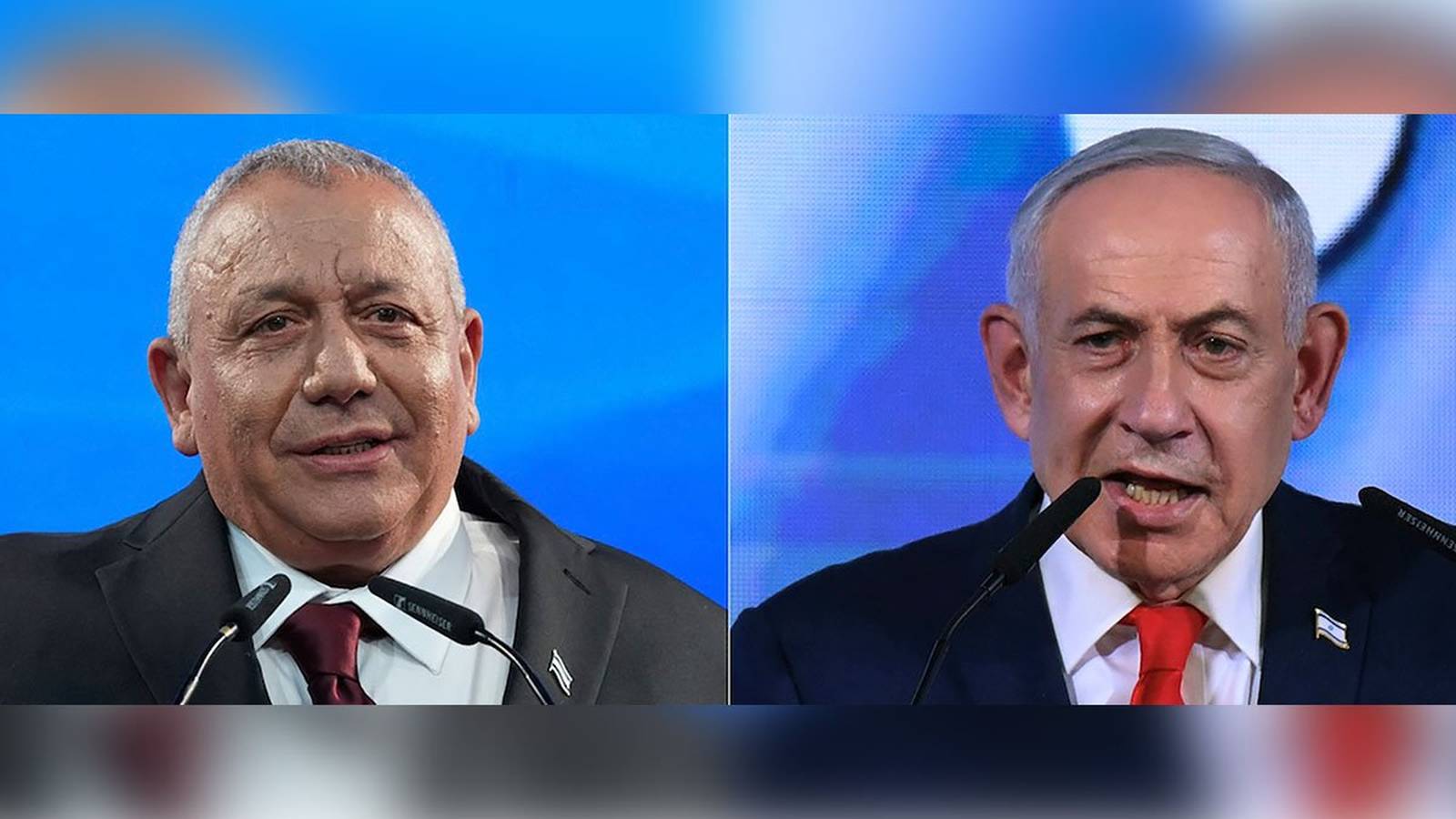
JERUSALEM – Israel faced a legislative deadlock on Wednesday, Oct. 28, 2026, as citizens awaited final vote tallies following the country’s highest voter turnout in over a quarter-century. NBC Connecticut reported at nbcconnecticut.com that exit polls and early partial counts from the Central Elections Committee showed no clear winner between Prime Minister Benjamin Netanyahu’s far-right governing coalition and a centrist opposition bloc led by former military chief Gadi Eisenkot.
The high-stakes general election—Israel’s first since the Oct. 7, 2023, attacks—drew 77.7% of eligible voters to the polls, reflecting widespread public debate over wartime leadership, military exemptions for the ultra-Orthodox population, and alliances with the far-right. With partial returns showing Netanyahu’s Likud party holding roughly 21% of the vote and Eisenkot’s Yashar party at 16.1%, exit polls broadcast by major Israeli networks projected that both major blocs sat neck-and-neck at approximately 51 seats each in the 120-seat Knesset, falling short of the 61-seat majority required to govern.
The Coalition Arithmetic and the Arab-Led Parties
With neither side securing a decisive mandate, the path to forming a government hinges on complex political negotiations and the role of Arab-led parties, which secured a historic showing of roughly 18 seats. Prime Minister Netanyahu dismissed the prospect of relying on Arab factions, calling any partnership with them treasonous in an address early Wednesday. “We must establish a strong, right-wing, nationalist government,” Netanyahu stated, adding that the country must not “endanger Israel and establish a government that relies on anti-Zionist Arab parties.”
In contrast, challenger Gadi Eisenkot has left the door open to potential arrangements under specific conditions, including the recognition of Israel as a Jewish state and of Hamas as an extremist group, though several prospective coalition partners have rejected the idea. Yair Golan, leader of the Democrats party, criticized the stark division, posting on X that Israel must stop accepting “Netanyahu’s racist division between Jewish votes and Arab votes.” The easiest arithmetic path for the opposition to reach a majority involves partnering with Arab-led factions, a prospect complicated by deep political resistance.
The unprecedented mobilization among Arab voters, whose communities make up about 20% of Israel’s population, created a dynamic that both sides had to factor into their post-election calculations. While leaders like Mansour Abbas of the United Arab List celebrated a visible presence, other Jewish political figures remained deeply divided on whether integrating such factions into legislative alliances was viable. The historic showing underscores a profound polarization regarding civil rights, national identity, and the ongoing repercussions of the conflict.
Broader Political Stakes and Public Sentiment
The ballot box served as an implicit referendum on Netanyahu’s nearly unbroken 17-year tenure as prime minister. Voters arrived at polling stations carrying the heavy emotional and economic tolls of prolonged military campaigns, mounting international scrutiny, and domestic friction over judicial independence. Supporters maintained that Netanyahu remains the most reliable defender of Israel’s security architecture and Jewish identity against external threats, particularly from Iran and regional adversaries. Conversely, critics pointed to his ongoing corruption trial, the handling of hostage crises, and exemptions allowing ultra-Orthodox men to bypass military conscription as evidence of a leadership crisis.
Adding to the volatility, figures on the far-right experienced mixed fortunes. National Security Minister Itamar Ben-Gvir saw his political standing scrutinized amid widespread public fatigue over provocative rhetoric concerning Palestinian detainees and Gaza residents. Meanwhile, Eisenkot campaigned heavily on a platform of national healing and reform, bolstered by his personal tragedy—having lost his son and two nephews in the Gaza conflict—which resonated strongly with voters seeking a change in tone and governance.
Next Steps and Final Tallies
Final official results are expected in the coming days as election officials process hundreds of thousands of absentee ballots, including votes cast by military personnel, diplomats, and individuals stationed at specialized locations across the country and abroad. While exit polls indicate that Netanyahu’s governing coalition shrank, they also suggest that Likud remains the single largest party, positioning Netanyahu as the most likely candidate to be tasked by President Isaac Herzog with forming a government. The president, however, is not constitutionally required to select the leader of the largest party, leaving the ultimate shape of Israel’s next administration uncertain as weeks of intense political maneuvering begin.
If neither bloc succeeds in piecing together a functional parliamentary majority, Israel could face the unprecedented prospect of returning to the polls for a new round of elections early next year, echoing the chronic political paralysis that plagued the nation between 2019 and 2022. For now, political actors across the spectrum are bracing for protracted bargaining.