


A Strategic Shift in Parliamentary Power
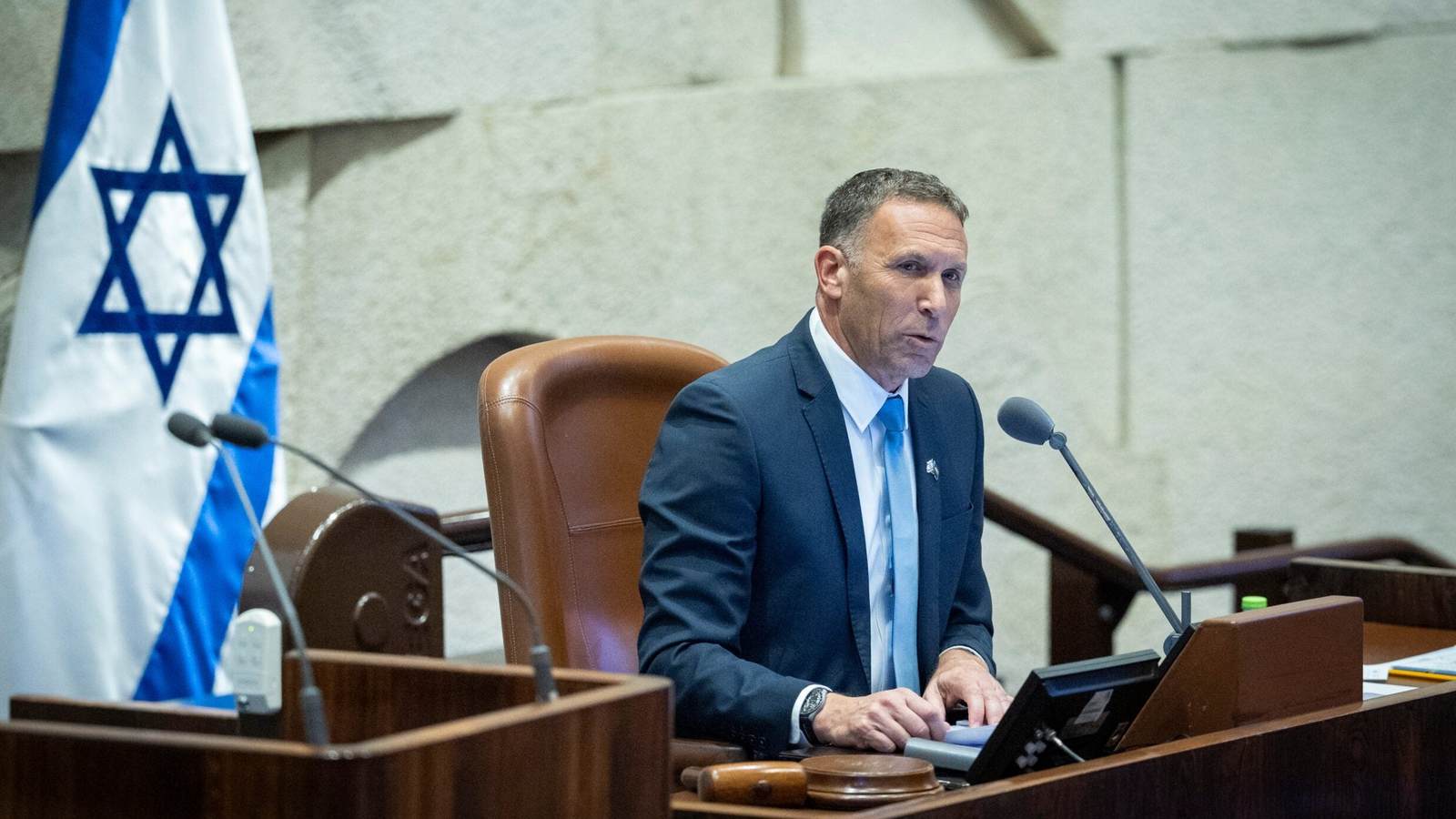
On Tuesday, November 17, 2026, the Israeli Knesset elected Matan Kahana of Gadi Eisenkot’s Yashar party as its new Speaker, marking a significant parliamentary victory for the opposition bloc. The vote, which concluded with a 66-52 result, effectively replaces Likud’s Amir Ohana and provides the opposition with a critical mechanism to influence the legislative agenda while Benjamin Netanyahu remains the caretaker Prime Minister. The outcome, reported by Worthy News, demonstrates the opposition’s ability to assemble a majority in the 120-seat legislature despite the ongoing deadlock in government formation negotiations.
The election of Kahana follows the inconclusive national vote held in October, which left Netanyahu’s political alliance without a parliamentary majority. With President Isaac Herzog having tasked Eisenkot with the mandate to form a new government, the transition of the Speaker’s chair is viewed by analysts as a strategic maneuver to undercut Netanyahu’s control. According to JTA, the new leadership allows the opposition to bypass the executive branch’s legislative blockade, potentially enabling the advancement of bills that the caretaker government has previously resisted.
Legislative Implications and Stakes
While the Speaker of the Knesset does not possess independent authority to enact laws, the position exerts considerable control over the parliamentary agenda. As the chair of the Knesset Presidium, the Speaker determines when specific legislation reaches the floor and oversees the introduction of private members’ bills. This procedural power is central to Eisenkot’s strategy; by controlling the agenda, his bloc intends to pursue legislation that has been stalled under Netanyahu, including the establishment of an independent commission to investigate the October 7, 2023, Hamas attacks.
Furthermore, the opposition bloc aims to utilize this window—estimated at three to five weeks—to propose term limits for prime ministers and potentially reverse judicial reforms implemented during the previous Knesset. However, the path forward remains complex. Even with control over the agenda, the opposition must navigate the standard legislative process, requiring committee reviews and parliamentary readings. The success of these maneuvers depends heavily on maintaining the fragile 66-vote coalition that secured Kahana’s appointment.
The Role of Arab-Majority Parties
The election of Kahana was facilitated by the support of the Arab-majority Ra’am and Joint List parties, which contributed to the 66-vote majority. This cooperation underscores a notable shift in the political landscape, as Eisenkot has advocated for the inclusion of these parties in parliamentary discourse, even if they remain outside the formal coalition government. Netanyahu’s bloc has historically resisted this empowerment, and the debate preceding Tuesday’s vote was characterized by significant friction regarding the role of these parties in national decision-making.
In his inaugural address, Kahana sought to bridge these divides, stating, “The Knesset is the home of all of Israel’s citizens.” He pledged to represent all members regardless of background, a gesture interpreted as a move to contrast the current opposition’s governing philosophy with that of the incumbent administration. Whether this cooperation can be sustained to form a stable government remains uncertain, as the Arab-majority parties and Eisenkot’s bloc have yet to reconcile fundamental differences regarding the recognition of Hamas and the structural nature of the state.
The Institutional Authority of the Speaker
Beyond the immediate political theater, the office of the Speaker holds profound constitutional weight. Under Basic Law: The Knesset, the Speaker is elected by the members of parliament to oversee the institution itself, maintaining an independence from the executive branch. This role includes managing the Knesset’s administration, budget, and security, as well as appointing members to the Ethics Committee. Furthermore, the Speaker acts as the acting president of Israel when the president is unavailable, highlighting the office’s function as a pillar of state stability.
The procedural authority to define the legislative agenda is perhaps the most potent tool in Kahana’s new arsenal. By controlling the Knesset Presidium, the Speaker ensures that the opposition can bring critical motions to the floor even when the caretaker government prefers silence. As seen in the precedent set in 2020, where the Supreme Court intervened to force a vote on a Speaker, the legislature possesses the inherent right to organize itself. This legal reality reinforces the opposition’s current advantage: they do not need the Prime Minister’s consent to initiate the business of the house.
Next Steps in the Political Deadlock
The immediate political consequence is a clear demonstration that the opposition can command the Knesset floor. Following a six-hour filibuster by Netanyahu’s allies, the vote proceeded only after a deal was struck to delay the repeal of previous legislation until the following week. This compromise highlights the volatile nature of the current parliamentary session. As Eisenkot continues his efforts to form a government, the legislative maneuvers led by Kahana will serve as a bellwether for the durability of the opposition’s alliance and its capacity to force changes in the absence of a seated executive cabinet.
The coming weeks will likely see a flurry of activity in the committee rooms. With the power to influence committee appointments and scheduling, the opposition is expected to push for rapid progress on their core legislative promises. Whether this parliamentary momentum can translate into a formal coalition or whether it merely serves as a platform for challenging the caretaker government remains the primary question facing Israeli politics as the end of the year approaches.
Reporting source: worthynews.com.