


Visualizing the Myth
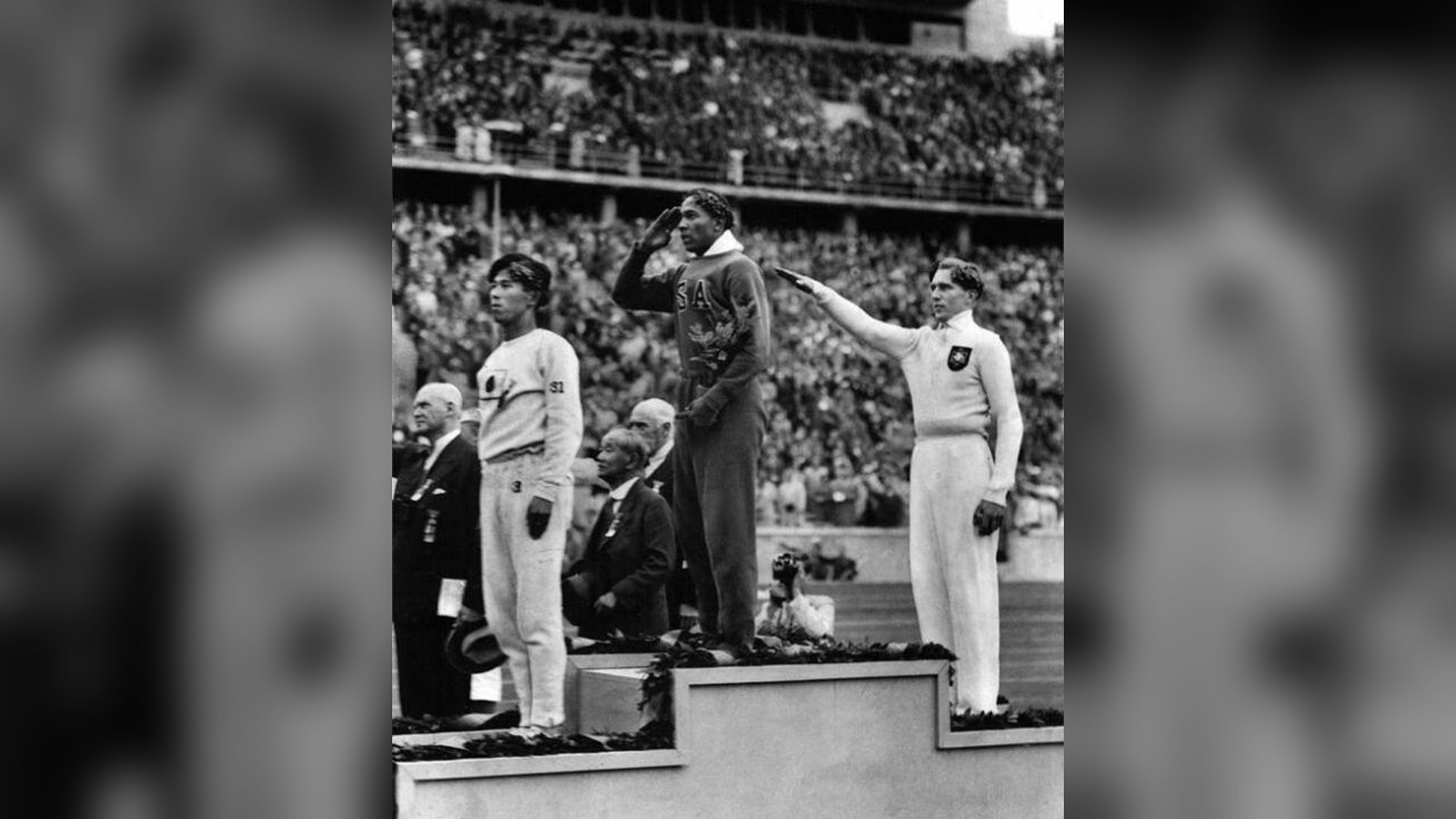
The photograph in question captures a moment of athletic triumph, often presented as a grainy, sepia-toned relic from the 1936 Berlin Summer Olympics. In the frame, a poised athlete stands in a classic track-and-field stance, often accompanied by the caption claiming this is ‘Jace Owen’—a supposed gold medalist from the games held in Nazi Germany. To the casual observer, the image evokes the high-stakes atmosphere of the 1936 stadium, where the swastika banners loomed over the arena. Yet, a closer examination reveals that the figure is not a historical record of a participant named Jace Owen, but rather a digital phantom born from a misremembered name.
The Reality of the 1936 Games
The history of the 1936 Olympics is inseparable from the performance of Jesse Owens, the African American track star who famously won four gold medals. His dominance in the 100-meter dash, 200-meter dash, long jump, and 4×100-meter relay served as a direct rebuke to the Aryan supremacy ideology promoted by the Third Reich. The name ‘Jace Owen’ is a phonetic corruption of ‘Jesse Owens,’ likely simplified or misremembered through years of internet resharing and social media reposting.
Provenance and Digital Circulation
The provenance of this specific ‘Jace Owen’ image is rooted in the architecture of modern misinformation. It does not exist in the archives of the International Olympic Committee or the collections of contemporary photojournalists like Leni Riefenstahl or the Associated Press. Instead, it functions as a ‘meme-history’ artifact. When such images surface on platforms like Telegram, they often rely on the reader’s familiarity with the 1936 Games’ iconography—the flags, the uniforms, and the stadium architecture—to bypass critical verification. The image serves as a cautionary tale about how easily historical narratives can be altered by a single typo or a misidentified subject.
Historical Significance
Why does this image persist? The 1936 Olympics remain one of the most studied events in modern history, representing a collision between sports and totalitarian propaganda. Because the real Jesse Owens is a figure of immense historical gravity, the ‘Jace Owen’ narrative gains traction by attaching itself to that weight. By investigating the discrepancy, we are reminded that the power of photography lies not just in what is captured, but in our obligation to verify the context of the frame. The real history of 1936 belongs to Jesse Owens, whose actual performance remains a permanent, documented fact, unlike the fictionalized version that continues to circulate online.